
Choosing the right fabric is one of the most critical decisions in athletic shorts design. From comfort and breathability to durability and cost control, fabric selection directly impacts product performance and customer satisfaction.
From a manufacturer’s perspective, over 80% of quality issues in athletic shorts can be traced back to fabric choice rather than sewing or pattern design. This guide explains the most common athletic shorts materials, how they perform in different use cases, and how fabric decisions affect cost, MOQ, and production timelines.
What Fabrics Are Used in Athletic Shorts?
Modern athletic shorts rarely rely on a single material. Most are made from performance-focused fabrics designed to balance moisture management, stretch, and durability.
Polyester
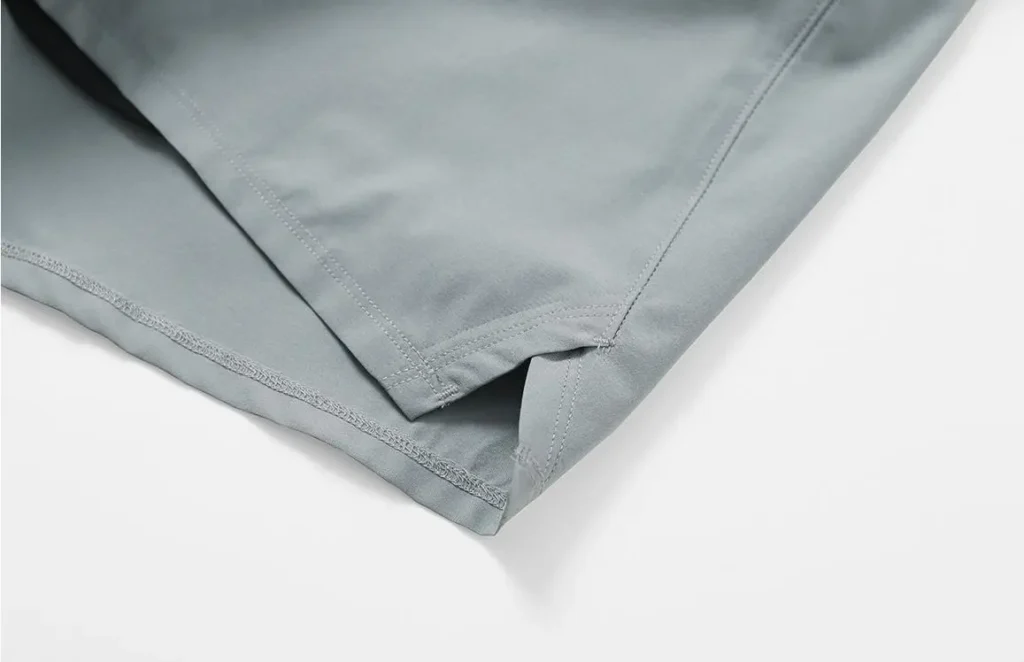
Polyester is the most widely used athletic shorts fabric.
Advantages
- Lightweight and quick-drying
- Cost-efficient and widely available
- Easy to dye and suitable for large-scale production
Limitations
- Breathability depends heavily on fabric structure
- Lower-end polyester may feel stiff without proper finishing
Polyester is commonly used for gym training shorts, team sports shorts, and entry-level athletic wear.
Nylon
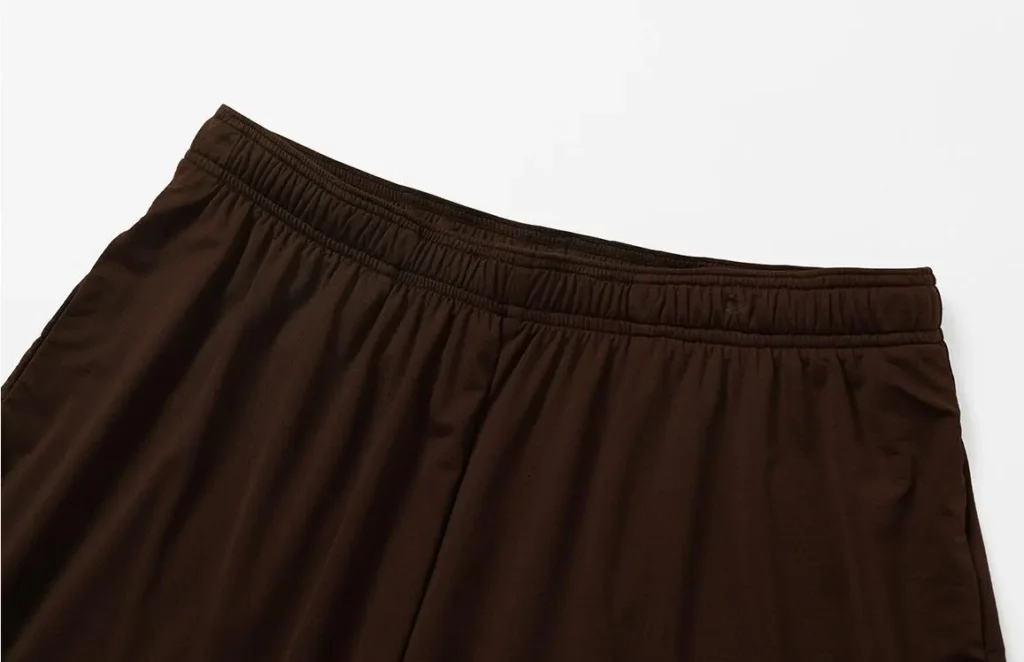
Nylon is often chosen for premium or performance-focused athletic shorts.
Advantages
- Smoother hand feel and better abrasion resistance
- Higher durability for intense movement
- More premium appearance compared to polyester
Limitations
- Higher material cost
- Slightly longer sourcing lead time
Brands targeting higher-end gym or running shorts often prefer nylon-based fabrics.
Spandex (Elastane)
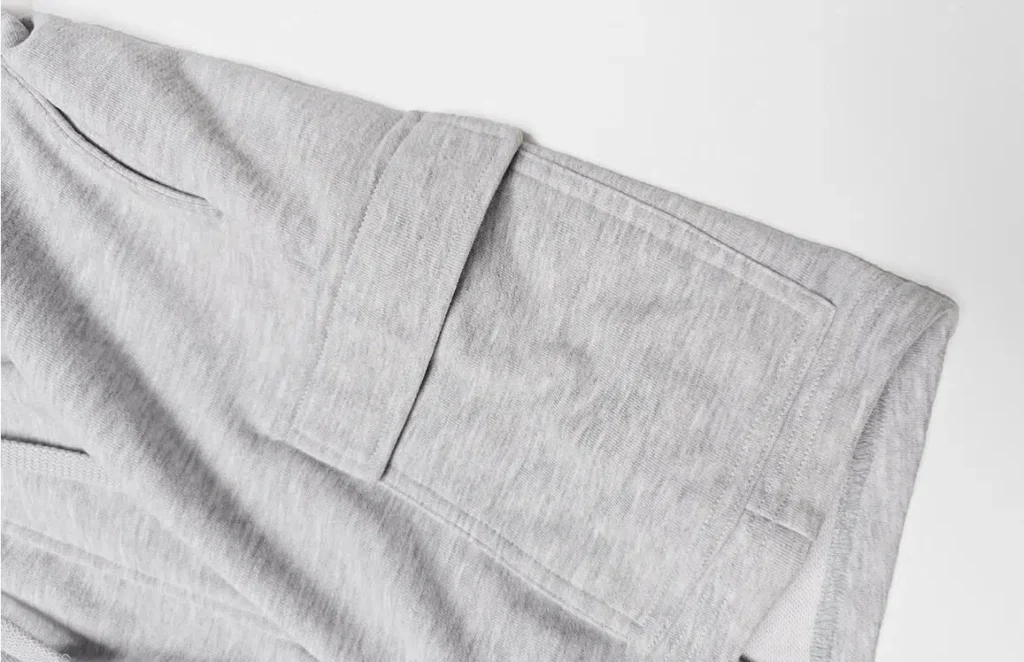
Spandex is rarely used alone but plays a crucial supporting role.
Key Functions
- Adds stretch and recovery
- Improves fit and mobility
- Enhances comfort during high-intensity movement
Typical spandex content ranges from 5% to 12%. Higher percentages increase stretch but also raise costs and can reduce fabric stability if not balanced properly.
Blended Fabrics
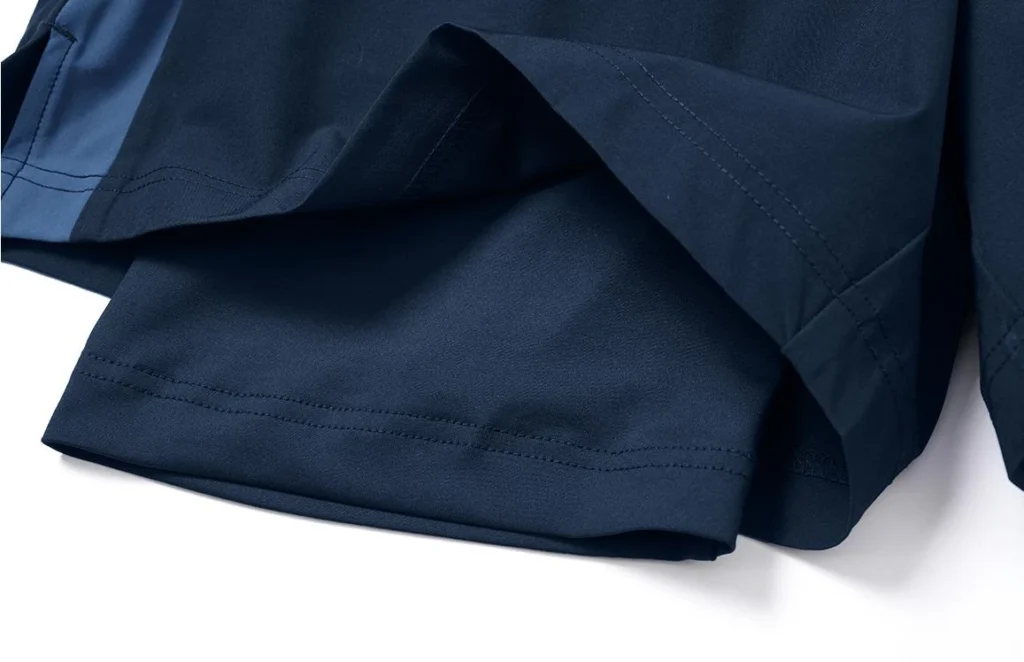
Most athletic shorts fabrics are blends, such as:
- Polyester + Spandex
- Nylon + Spandex
Blending allows manufacturers to optimize performance, cost, and durability based on the intended use of the shorts.
Polyester vs Nylon for Athletic Shorts
When comparing polyester and nylon for athletic shorts, neither is universally better—the right choice depends on the product’s positioning.
| Feature | Polyester | Nylon |
|---|---|---|
| Cost | Lower | Higher |
| Durability | Moderate | High |
| Texture | Slightly crisp | Smooth & soft |
| Moisture Drying | Fast | Fast |
| Premium Look | Medium | High |
From a manufacturing standpoint, polyester offers more flexibility for lower MOQs and faster bulk production, while nylon is ideal for premium collections where fabric feel and longevity matter more than price.
Best Fabric for Different Types of Workout Shorts
Gym Training Shorts
- Recommended: Polyester + Spandex
- Focus: Stretch, durability, and cost control
Running Shorts
- Recommended: Lightweight polyester or nylon blends
- Focus: Breathability and reduced weight
Basketball or Loose-Fit Shorts
- Recommended: Polyester mesh or heavier-knit polyester
- Focus: Airflow and structure
Board Shorts and Hybrid Shorts
- Recommended: Polyester with water-repellent treatment
- Focus: Quick-dry performance and shape retention
Is Spandex Necessary for Gym Shorts?
Spandex is not mandatory, but it significantly improves performance.
With Spandex
- Better stretch and recovery
- Improved comfort during squats and lunges
Without Spandex
- Lower cost
- Suitable for casual or loose-fit designs
For most gym shorts, manufacturers recommend at least 5% spandex to balance performance and cost.
How Fabric Choice Affects Cost, MOQ, and Lead Time
Fabric selection impacts production more than many brands expect.
- MOQ: Custom-dyed fabrics usually require higher MOQs than stock colors
- Cost: Nylon blends cost more than polyester blends
- Lead Time: Specialty fabrics may extend sampling and bulk production timelines
From a manufacturer’s perspective, early fabric confirmation helps avoid delays and unnecessary sampling revisions.
Common Mistakes Brands Make When Choosing Fabric
- Selecting fabric based on weight alone
- Ignoring the end-use scenario
- Prioritizing cost over long-term durability
- Failing to consider MOQ implications
Avoiding these mistakes can significantly reduce production risk.
How to Choose the Right Fabric with a Manufacturer
To streamline development, brands should prepare:
- Target price range
- Intended sport or activity
- Desired fit and stretch level
- Expected order quantity
Clear communication with your manufacturer ensures the fabric selection aligns with both performance goals and production feasibility.
Work with a Manufacturer Who Understands Fabric Performance
Athletic shorts performance starts with the right fabric. Working with an experienced custom athletic shorts manufacturer allows brands to balance comfort, durability, and cost without compromising quality.
If you are developing custom gym shorts or board shorts and need guidance on fabric selection, production planning, or MOQ optimization, working directly with a knowledgeable manufacturing partner can make the process more efficient and reliable.