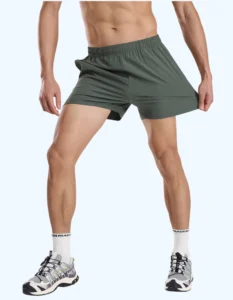

Turning a design concept into finished athletic shorts requires more than creativity. It requires structured factory execution.
In this article, we explain how professional manufacturing transforms a tech pack into bulk production while maintaining quality, efficiency, and cost control.
If you are new to custom production, we recommend first reading our complete overview on How Custom Gym Shorts Are Manufactured Step-by-Step to understand the full factory workflow.
Stage 1: Technical Evaluation
Once we receive a tech pack or design brief, our production team conducts a feasibility analysis.
We examine:
- Fabric specifications
- Stretch requirements
- Construction details
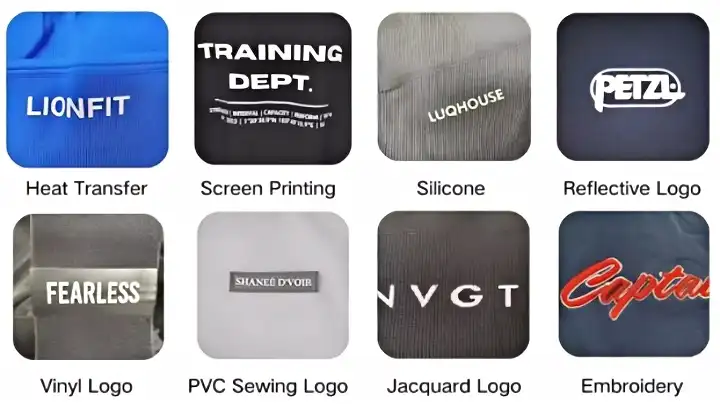
- Logo application techniques
- Estimated order volume
From a manufacturing perspective, early technical evaluation prevents costly revisions later.
If specifications are unclear, we communicate directly to clarify details before moving forward.
Stage 2: Design Optimization for Production
Many designs require small modifications to improve manufacturability.
For example:
- Seam reinforcement for high-stress areas
- Adjusted panel structures for better stretch
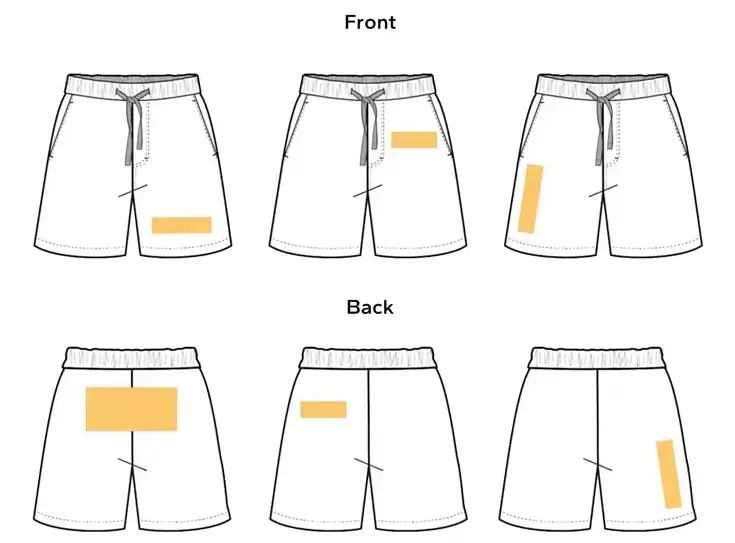
- Optimized logo placement to reduce misalignment
Our goal is to preserve design intent while ensuring efficient mass production.
This is where factory experience becomes critical.
Stage 3: Sample Production
After confirming all technical details, we move to sampling.
We confirm:
- Fabric lot
- Pantone color matching
- Measurement chart
- Label placement
- Packaging instructions
The sample reflects real bulk production methods—not simplified construction.
From a manufacturer’s perspective, a realistic sample prevents misunderstandings during bulk production.
To understand the technical difference between sampling and bulk manufacturing, you may also refer to our article on Sampling vs Bulk Production in Athletic Shorts Manufacturing.
Stage 4: Production Planning
Once the sample is approved, we schedule bulk production.
Production planning includes:
- Fabric procurement timeline
- Cutting schedule
- Stitching line allocation
- Logo printing coordination
- Final assembly
Each step is structured to maintain workflow balance and reduce bottlenecks.
Stage 5: Mass Production Execution
Bulk production begins only after material readiness is confirmed.
The manufacturing process includes:
- Fabric inspection before cutting
- Precision cutting
- Multi-stage stitching
- Logo application
- Thread cleaning
Our production supervisors monitor efficiency and defect rates throughout.
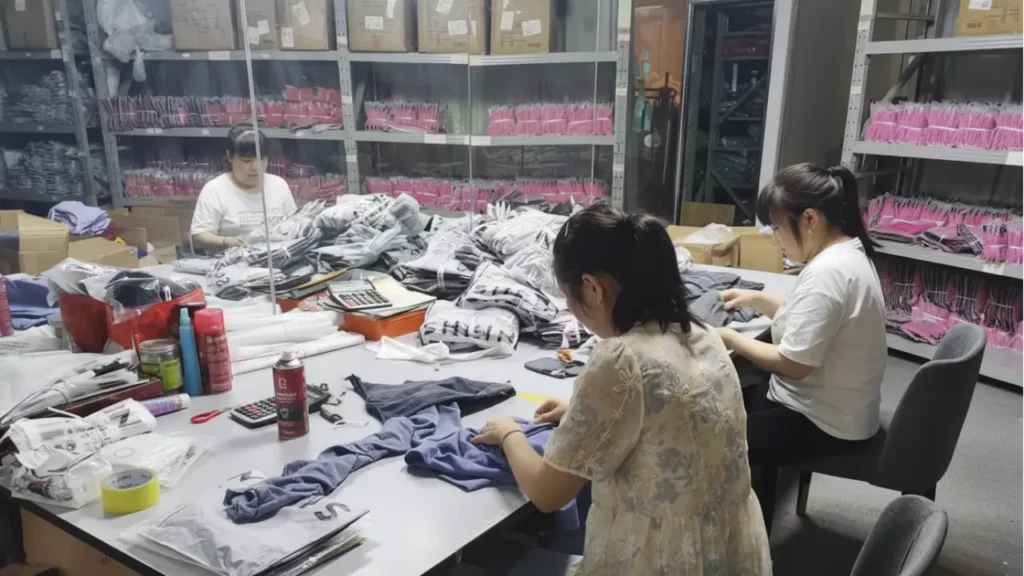
Stage 6: Double Quality Inspection
After production completion, we conduct:
- Inline inspection
- Final random inspection
We verify sizing, construction integrity, appearance consistency, and overall quality standards.
From a factory perspective, consistent quality control ensures long-term brand growth.
Conclusion
Manufacturing athletic shorts is a structured system requiring coordination between design, sourcing, production, and inspection teams.
When brands work closely with experienced manufacturers, they gain:
- Predictable lead times
- Controlled costs
- Reduced defect rates
- Production transparency
Factory-level execution is what transforms ideas into scalable products.