When developing custom gym shorts, many brands focus only on design and pricing. However, from a factory perspective, successful production depends on a structured and transparent manufacturing process.
In this article, we explain step-by-step how custom athletic shorts move from initial inquiry to final shipment inside a professional manufacturing facility.
Step 1: Initial Inquiry – Understanding the Project Scope
Every production journey begins with a detailed inquiry.
Brands typically submit:
- Design documents or tech packs
- Quantity requirements
- Fabric preferences
- Size specifications
- Target delivery timeline
From a manufacturing standpoint, accurate information at this stage reduces miscommunication and prevents delays later in production.
Once we receive the inquiry, our production team evaluates:
- Fabric feasibility
- Estimated lead time
- MOQ compatibility
- Cost structure
Within 24 hours, we provide a detailed quotation based on real production calculations—not guesswork.

Step 2: Design Confirmation – Refining for Production
Many brands submit strong creative ideas but may overlook production realities.
From a factory perspective, design confirmation is not just about appearance. It includes:
- Stitching methods
- Seam construction
- Fabric stretch compatibility
- Print or embroidery placement
- Label application
If needed, our design team assists in refining or developing technical drafts to ensure the design is production-ready.
At this stage, we focus on balancing:
- Performance
- Durability
- Cost efficiency
- Production stability
A design that looks good digitally must also function efficiently in bulk manufacturing.

Step 3: Sample Development & Approval
Sampling is one of the most critical stages in athletic shorts manufacturing.
Before producing a sample, we confirm:
- Final fabric composition
- Fabric weight
- Color accuracy
- Size measurements
- Logo application method
Only after all production specifications are approved do we proceed with sample creation.
From a factory perspective, sampling serves three purposes:
- Validate construction feasibility
- Confirm fabric behavior under real stitching conditions
- Detect potential mass-production risks
Once the client receives the sample, feedback is collected and adjustments are made if necessary.
Mass production only begins after full approval.
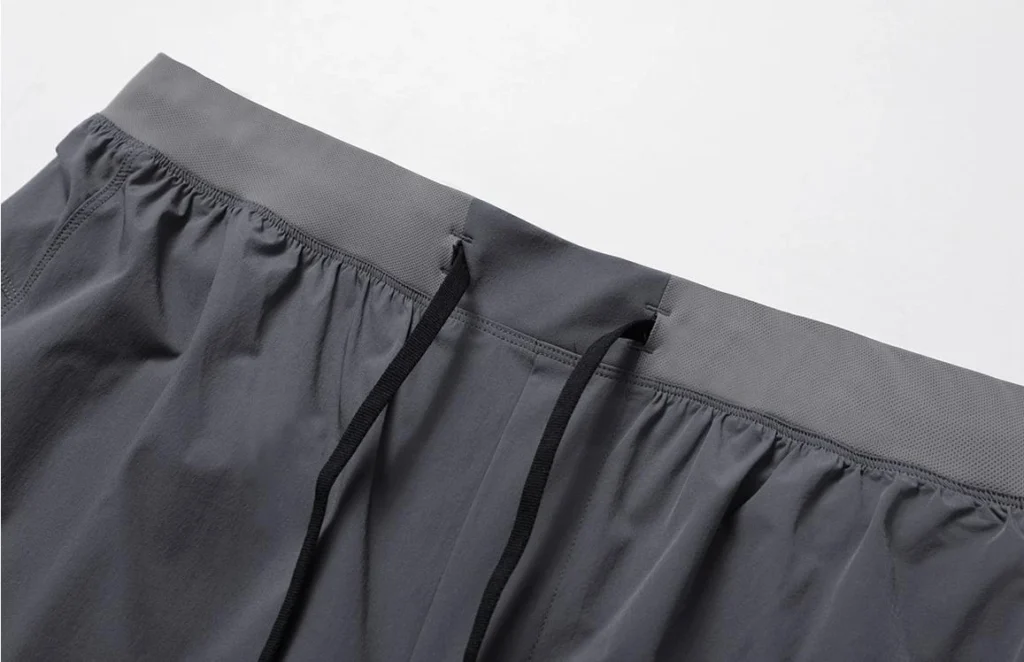
To better understand how sampling differs from large-scale manufacturing, you can read our detailed explanation on Sampling vs Bulk Production in a Professional Gym Shorts Factory.
Step 4: Bulk Production – Controlled Manufacturing
After sample approval, bulk production is arranged.
This stage includes:
- Fabric sourcing or dyeing
- Fabric inspection
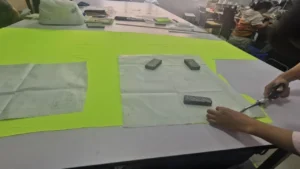
- Cutting
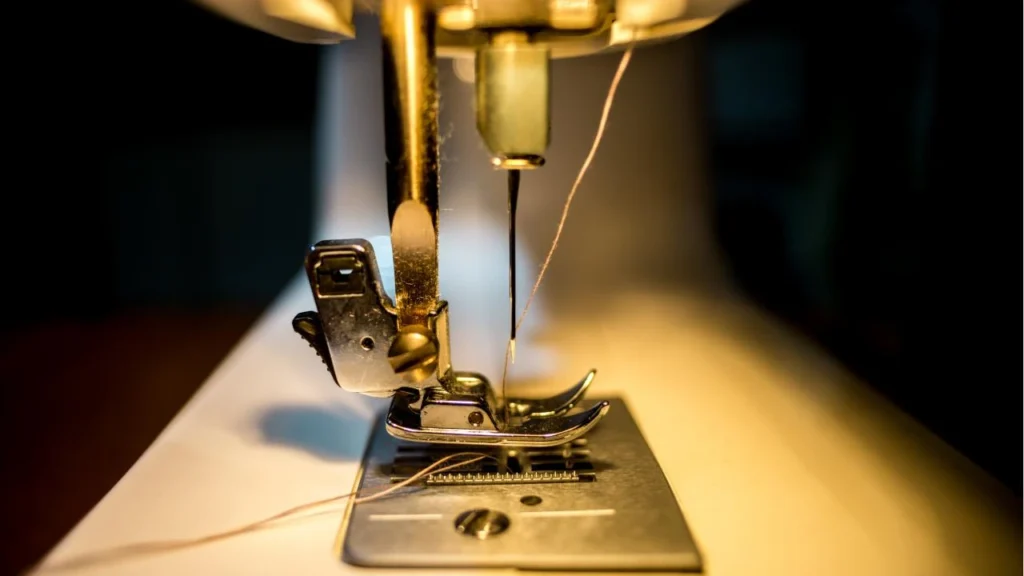
- Stitching
- Logo application
- Thread trimming
Production planning is scheduled according to capacity, order size, and delivery requirements.
From a manufacturing standpoint, stability and consistency are more important than speed. Controlled workflow reduces defect rates and improves delivery reliability.
For brands working with tech packs and detailed specifications, we also explain how we transform design files into production-ready garments in our guide on From Tech Pack to Bulk Production.
Step 5: Quality Control – Double Inspection System
Quality control is not an afterthought. It is integrated into the production structure.
After bulk production is completed, our quality control team conducts two inspections:
- Mid-production inspection
- Final inspection after completion
We check:
- Stitch density
- Measurement accuracy
- Logo placement
- Fabric defects
- Overall workmanship
From a factory perspective, structured QC reduces return risks and protects long-term partnerships.
Step 6: Packing & Shipping – Final Coordination
Once quality inspection is passed, products move to packaging.
We:
- Fold and pack according to brand requirements
- Confirm carton specifications
- Verify shipping details
- Arrange logistics after balance payment
Clear communication at this stage ensures smooth international delivery.
Final Thoughts from a Manufacturer’s Perspective
Custom gym shorts manufacturing is not simply sewing fabric together. It is a coordinated system involving technical evaluation, structured sampling, production planning, and strict quality control.
Brands that understand this process reduce risks, control costs, and achieve long-term production stability.
Working with an experienced athletic shorts manufacturer ensures your designs translate smoothly from concept to bulk production.