
Organizing the Cost of Manufacturing: A Key Step for Choosing the Right Custom Gym Shorts Manufacturer
For any activewear brand, understanding the cost of manufacturing is essential before placing bulk orders. Whether you are launching a new fitness label or expanding your product line, working with a reliable Custom Gym Shorts Manufacturer starts with knowing exactly how your garment costs are structured.
Clothing manufacturing cost estimation determines your pricing strategy, profit margin, and long-term sustainability. If costs are not calculated correctly at the beginning, even strong sales volume may not translate into real profit.
What Is the Cost of Manufacturing Gym Shorts?
Garment manufacturing cost is the total expense involved in producing one finished piece. For custom gym shorts, this includes everything from fabric sourcing to final packaging.
During sample development, most manufacturers estimate the average cost based on:
- Raw material cost (fabric, waistband elastic, drawstrings, labels, packaging)
- Manufacturing overhead (cutting, sewing, finishing, quality control)
- Administrative expenses
- Sample development cost
- Target profit margin
These initial calculations are usually based on current market prices of raw materials and factory operating costs. After sample approval, the price is negotiated before confirming bulk production.
Key Cost Components in Gym Shorts Production
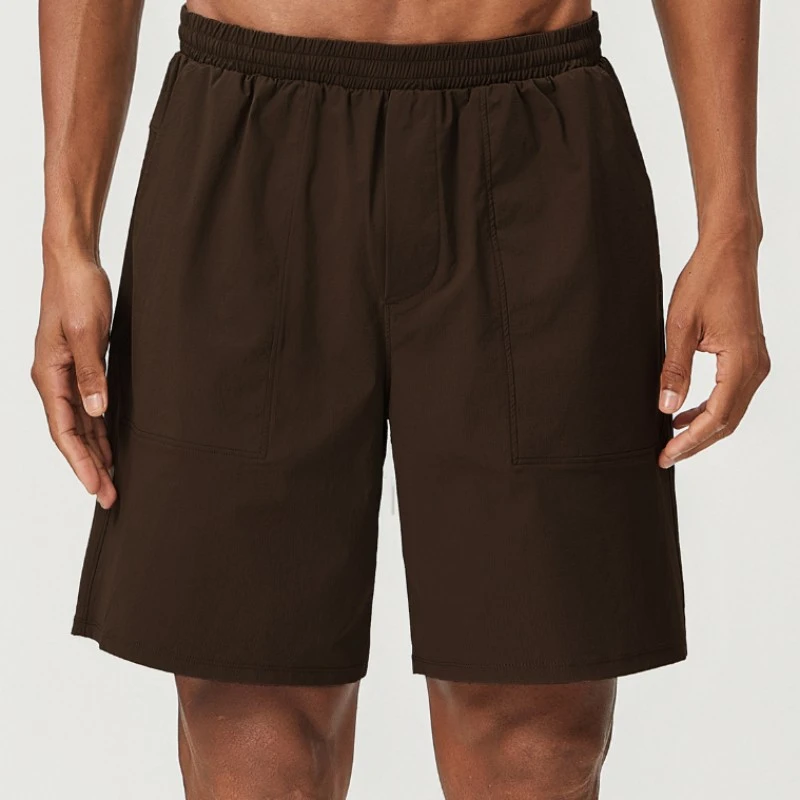
A professional Custom Gym Shorts Manufacturer will break down costs into detailed categories:
1. Raw Material Costs
- Yarn cost
- Knitting or weaving cost
- Dyeing cost
- Fabric finishing cost
- Printing or embroidery cost
Performance gym shorts often use polyester, spandex blends, or recycled fabrics, which directly impact pricing.
2. Production Costs
- Cutting cost
- Sewing cost
- Quality inspection
- Packaging
- Direct labor
- Indirect labor
3. Overhead & Additional Costs
- Factory overhead
- Sales overhead
- Power and fuel costs
- Shipping and transportation
- Currency exchange fluctuations
- Profit margin
Because raw material prices, labor rates, and energy costs change over time, manufacturing costs are dynamic and must be regularly updated.
Why Accurate Costing Is Difficult
Many brands struggle to determine:
- Actual cost per style
- Order-level profitability
- Where budget overruns occurred
Without structured costing systems, it becomes difficult to compare projected cost vs. actual production cost.
That is why professional manufacturers rely on digital systems to manage detailed cost data.
How ERP Systems Help Manage Clothing Production Costs
Modern ERP software allows manufacturers to organize detailed costing information efficiently. A structured system tracks:
Fabric Data
For woven fabrics:
- Fabric code
- Fabric name
- Construction
- Dyeing and finishing details
- Width
For knitted fabrics:
- Fabric code
- GSM
- Width
- Yarn price
- Knitting charges
- Dyeing cost
- Weight loss percentage
- Printing loss
Trims & Accessories
- Trim code
- Trim type
- Supplier
- Unit of measurement
- Unit rate
Style Information
- Classification (Men/Women/Kids)
- Fit (Regular, Slim, Athletic)
- Fabric composition
- Technical specifications
Once fabric consumption and trim quantities are entered, the system automatically calculates the total material cost for each garment.
Garment Costing Sheet for Custom Gym Shorts
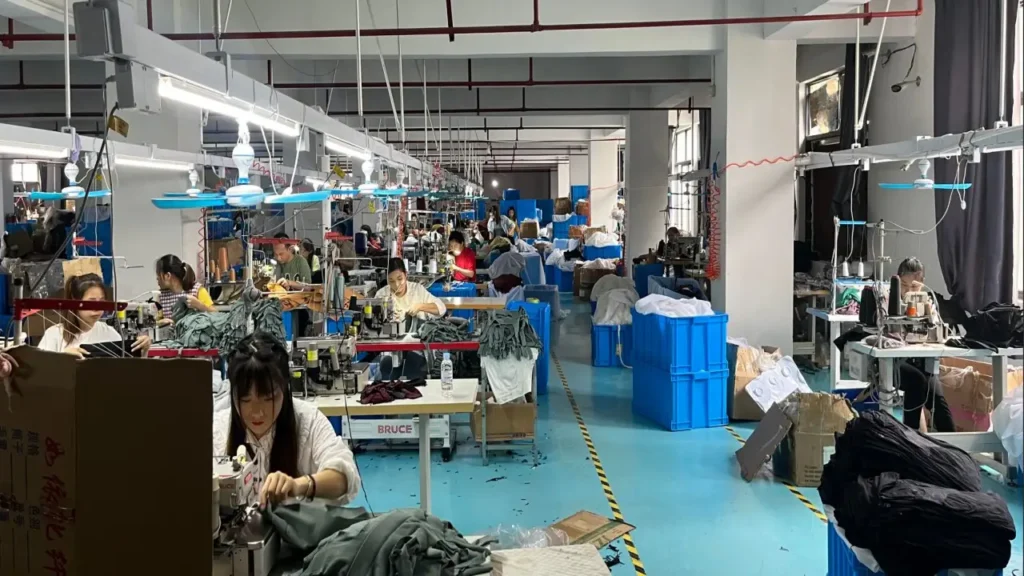
A complete costing sheet includes:
- Fabric consumption cost
- CMT (Cut, Make & Trim)
- Printing/embellishment
- Packaging
- Rejection allowance (%)
- Target profit margin (%)
- FOB price (USD/EUR/GBP)
Exchange rates are applied to determine final export pricing.
This structured approach ensures transparent pricing and helps brands understand how their gym shorts are priced.
How Manufacturing Cost Impacts Your Revenue
Revenue is calculated as:
Total Revenue = Average Order Price × Quantity Sold
However, revenue alone does not indicate profitability.
True profit = Revenue – Total Production Cost – Operational Expenses – Logistics – Marketing
Most small clothing brands operate with profit margins between 4% and 20%, depending on positioning and cost control.
Markups must cover:
- Manufacturing cost
- Shipping
- Import duties
- Marketing expenses
- Platform fees
Without proper cost control from the manufacturing stage, your margin quickly disappears.

Hidden Risks That Affect Profit
Clothing brands may lose revenue due to:
- Counterfeit products
- Unauthorized distribution
- Excess production waste
- High rejection rates
- Poor quality control
Partnering with an experienced Custom Gym Shorts Manufacturer reduces these risks through structured production management and quality assurance systems.
Final Thoughts
Understanding clothing production costs is not just a financial exercise — it is a strategic advantage.
A professional Custom Gym Shorts Manufacturer should provide:
- Transparent costing breakdown
- Structured sample development
- Controlled production workflow
- Stable quality standards
- Competitive and realistic FOB pricing
When cost management is organized from fabric sourcing to final shipment, brands can confidently scale their gym shorts business with predictable profit margins.
If you are planning bulk production and need reliable cost evaluation, working with a specialized manufacturer will help you balance quality, price, and long-term growth.