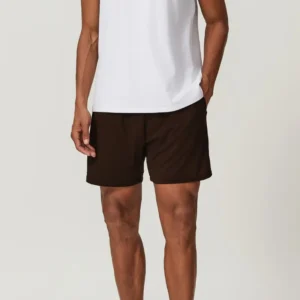
Choosing Between Nylon and Polyester: A Data-Driven Guide for Professional Sourcing
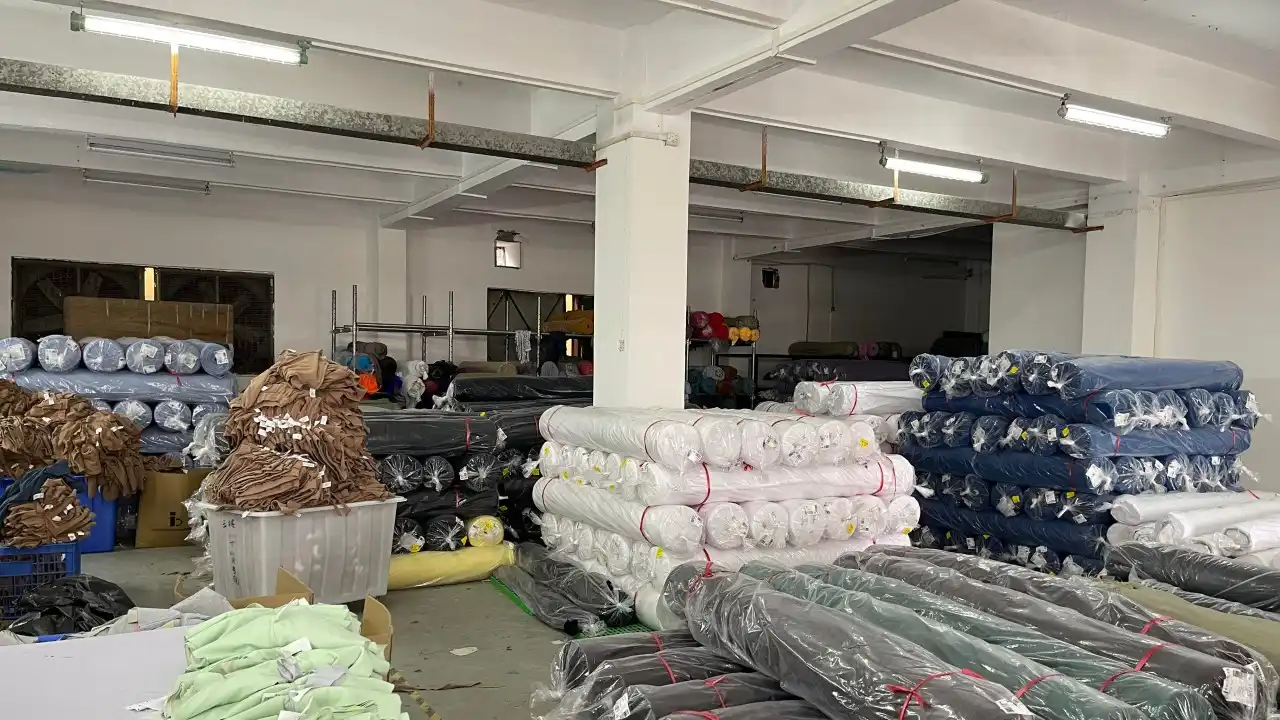
Choosing between nylon and polyester for your gym shorts feels like a big decision. Pick the wrong one, and you risk bad reviews, hurting your brand's reputation and sales.
Polyester is a reliable, cost-effective choice for most gym shorts, balancing performance and production scalability. Nylon is better for premium lines where superior hand-feel and abrasion resistance justify a higher cost. The best choice depends on your brand's specific positioning, target customer, and budget.
But just knowing the basic difference isn't enough to make a smart sourcing decision. Many brands focus only on the fiber name, but that's just a small part of the story. Let's break down the technical factors we discuss with clients every day to help you avoid common and costly mistakes.
Does the 'Better' Hand-Feel of Nylon Justify Its Higher Cost?

You want a premium feel for your brand. But nylon's higher price tag makes you hesitate. Is the difference truly worth it?
For many B2B clients, nylon's smoother, softer feel is a key differentiator. This isn't just subjective; it’s rooted in fiber physics.
- The Cooling Factor (Thermal Conductivity): Nylon has higher thermal conductivity than polyester. In material science, this is often measured by Thermal Effusivity, which dictates the "cool-to-the-touch" sensation. High-quality nylon provides an immediate heat transfer that polyester blends strive to mimic.
- Moisture Regain: According to textile standards, Nylon has a Moisture Regain of approximately 4.5%, while Polyester sits at only 0.4%. This natural moisture content within the fiber contributes to a silkier drape and prevents the "static" feel common in cheap synthetic fabrics.
However, modern high-quality polyesters can come very close. By using high-filament yarns and mechanical "peaching" finishes, we can achieve a near-premium feel while maintaining the cost-efficiency required for mid-market growth.
Fabric Recommendation Matrix
| Brand Position | Target Customer | Recommended Fiber | Why It Makes Sense |
|---|---|---|---|
| Premium / Boutique | Values luxury feel, willing to pay more | Nylon / Nylon-Spandex | Superior thermal conductivity and hand-feel justify the price premium. |
| Performance / Value | Seeks durability & dry-fit features | Polyester / Poly-Spandex | Best cost-performance balance; low moisture regain allows for faster evaporation. |
| All-Rounder | Wants quality but is price-sensitive | High-Quality Polyester Blend | Offers a compromise, mimicking premium touch through mechanical finishes. |
Is Polyester More Prone to Production Problems Than Nylon?
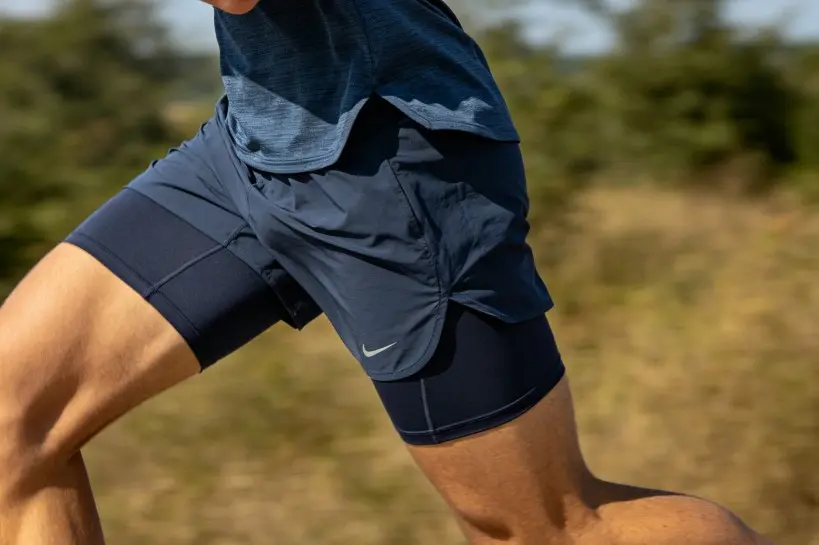
A cheap fabric can become very expensive if it leads to customer returns and damaged brand trust.
The real risk in B2B sourcing is understanding the chemical and physical limitations of each fiber.
1. The Odor Problem (Oleophilic Nature)
A major technical challenge with polyester is odor retention. Polyester is inherently oleophilic, meaning it naturally attracts and bonds with skin oils (lipids). These oils become a breeding ground for bacteria. Unlike nylon, polyester often requires an antimicrobial finish to ensure the shorts remain fresh after high-intensity training.
2. Abrasion and Pilling (The Martindale Standard)
Nylon is significantly tougher in terms of mechanical wear. Based on the Martindale Abrasion Test (ISO 12947), high-performance nylon can endure significantly more cycles before fiber breakdown compared to standard polyester.
- Our Solution: We mitigate polyester pilling by using tighter knit structures and ISO 12945-2 Grade 4+ certified fabrics, ensuring durability matches your brand's promise.
How Does Fabric Construction Change the Debate?
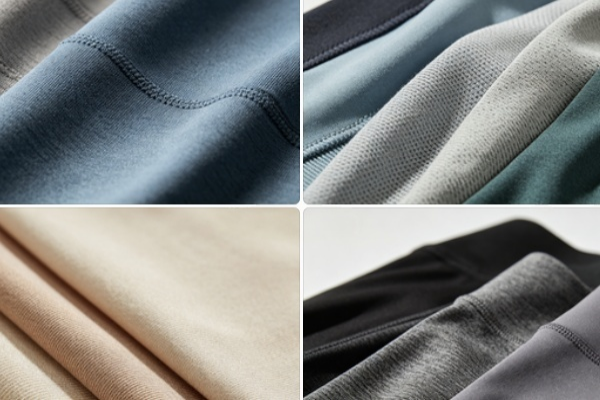
The fiber name is just the starting point. The engineering of the fabric—weight, weave, and blend—dictates the final performance.
- Tensile Strength: Nylon typically offers higher Tensile Strength than polyester, making it the preferred choice for high-stress apparel like CrossFit or combat sports shorts.
- Opacity and GSM: For gym shorts, we recommend a 180–250 GSM range. A 220 GSM polyester with 15% spandex will provide better "squat-proof" opacity than a flimsy 130 GSM nylon.
- Elastane Integration: The secret to performance is the Spandex/Elastane ratio. A 15-20% blend ensures the 4-way stretch and recovery needed for dynamic movements, regardless of the base fiber.
Conclusion
The right choice between nylon and polyester is about matching technical specs to your brand's unique goals. As a specialized manufacturer, we focus on the material science so you can focus on building your brand.