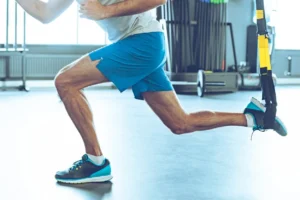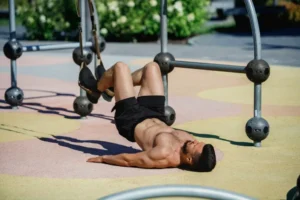

When it comes to gym shorts manufacturing, the fabric you choose determines everything — from comfort and breathability to durability and price. As an athletic shorts factory, we test hundreds of materials every year to find what performs best for custom gym shorts and custom board shorts. Below, we’ll break down the main fabric types used in sportswear manufacturing, their key features, and how to choose the right one for your brand.
1. Understanding the Basics of Activewear Fabrics
Unlike casual clothing, athletic wear fabrics must perform under movement, sweat, and frequent washing. That means the right combination of:
-
Breathability: Keeps air flowing to prevent overheating.
-
Moisture-wicking: Draws sweat away from the skin.
-
Stretch & recovery: Allows freedom of movement and keeps shape after workouts.
-
Durability: Resists pilling, tearing, and fading even with heavy use.
Modern gym shorts manufacturing relies on engineered fibers that balance comfort, performance, and long-term quality.
2. Popular Fabric Types Used in Custom Gym Shorts
1. Polyester
Polyester remains the foundation of most custom gym shorts and custom board shorts. It’s lightweight, strong, and quick-drying — ideal for both indoor workouts and outdoor activities.
Pros:
-
Excellent color retention
-
Dries quickly after sweat or wash
-
Wrinkle-resistant and durable
Cons:
-
Less breathable than natural fibers
-
Can feel warm in humid environments
Most athletic shorts factories use advanced versions like microfiber polyester or recycled polyester (rPET), which feel softer and more eco-friendly.
2. Nylon
If your brand values a soft, silky touch and strong stretch, nylon is a premium choice. It’s widely used in performance gym shorts and swim or surf styles like custom board shorts.
Pros:
-
Exceptional strength and abrasion resistance
-
Smooth, luxurious hand feel
-
Flexible and stretch-friendly
Cons:
-
Slightly higher cost
-
May yellow under UV exposure
Nylon is perfect for athletic shorts manufacturing where both comfort and high-end feel are essential.
3. Spandex (Elastane)
No performance short feels complete without spandex. Though it’s rarely used alone, adding 5–15% spandex to polyester or nylon gives gym shorts incredible stretch and recovery.
Pros:
-
Enhances flexibility for training and movement
-
Maintains shape over time
-
Supports compression-style shorts
Cons:
-
Retains heat if used excessively
-
Sensitive to high-temperature washing
The best custom gym shorts combine spandex with breathable base fabrics for balanced comfort.
4. Cotton Blends
Pure cotton feels soft and natural, but it absorbs sweat slowly. To solve this, athletic shorts factories often create cotton-polyester blends.
Pros:
-
Natural hand feel with better sweat control
-
Easy to print or dye for branding
-
Cost-effective for lifestyle gym wear
Cons:
-
Slower drying than full synthetics
-
Can shrink if not pre-treated
Cotton blends suit brands aiming for a casual-athletic look — ideal for gym-to-street collections.
5. Recycled and Sustainable Fabrics
Eco-conscious brands now look beyond standard synthetics. Recycled polyester, bamboo fiber, and TENCEL™ lyocell offer performance with reduced environmental impact.
Pros:
-
Lower carbon footprint
-
Naturally breathable and odor-resistant
-
Great brand story for marketing
Cons:
-
Slightly higher price
-
Availability varies by region
Many modern athletic shorts factories now source sustainable textiles to support green fashion manufacturing.
3. How to Choose the Right Fabric for Your Custom Gym Shorts
When developing your next custom gym shorts or custom board shorts, consider these factors:
| Goal | Recommended Fabric | Why It Works |
|---|---|---|
| Quick Dry Training | Polyester + Spandex | Lightweight, moisture-wicking, durable |
| Premium Comfort | Nylon + Spandex | Smooth texture, strong stretch |
| Casual Lifestyle | Cotton + Polyester | Soft, breathable, easy care |
| Eco Collection | Recycled Polyester or Lyocell | Sustainable, soft, performance-ready |
Your target customer and brand positioning will determine which blend fits best.
4. How Athletic Shorts Factories Enhance Fabric Performance
Modern athletic shorts factories don’t just sew — they engineer performance. Through moisture-wicking finishes, anti-odor coatings, and four-way stretch knits, fabrics are optimized for athletes and active lifestyles.
At our production line, we:
-
Test shrinkage and colorfastness after washing
-
Measure stretch and recovery after 20,000 motion cycles
-
Use flatlock seams to reduce friction and increase comfort
This ensures every piece of custom gym shorts meets high standards of function and style.
5. Final Thoughts: Build Better Shorts with the Right Fabric Partner
Choosing the right performance fabric is the first step to creating high-quality custom gym shorts or custom board shorts. It affects not only how your shorts look and feel but how long they last and how customers perceive your brand.
Partnering with an experienced athletic shorts factory means you’ll get expert guidance on material sourcing, testing, and design engineering — helping you build a product line that performs as well as it looks.