You are managing your brand, and an urgent payment request for your shipment arrives. It looks real, with a familiar logo. One wrong click could cost you thousands, but a simple check can prevent it.
Fake payment requests are a serious threat to activewear importers. The most effective defense is to always confirm any unexpected invoice, fee, or change in payment details directly with your supplier through a verified channel before sending any money. This simple step protects your business from scams.
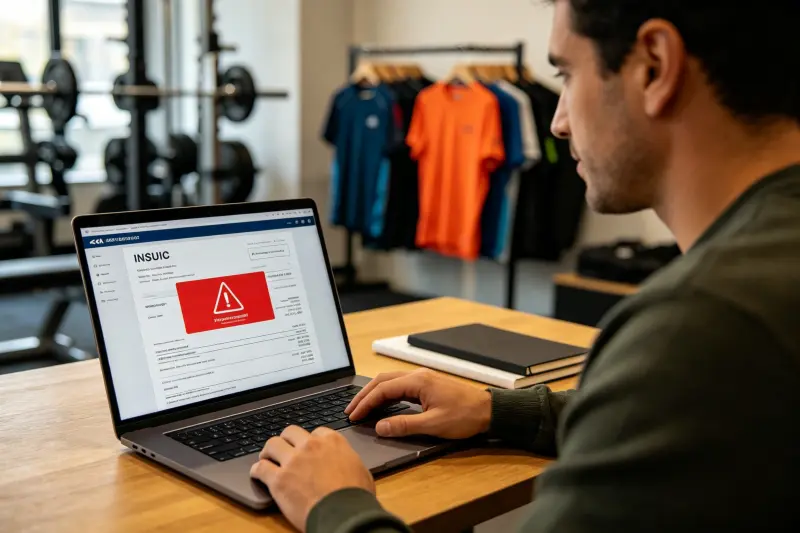
This isn't just a theoretical problem you read about online. I’ve seen this happen to a client, and it’s a painful but preventable mistake. As a manufacturer, I believe part of my job is to help you secure your supply chain, and that includes protecting your payments. I want to share what we've learned so you can avoid falling into the same trap. Let's walk through how these scams work and the simple process you can use to stop them.
How can a simple SMS message lead to a $1,000+ loss?
You receive a payment link from what looks like a major courier. Everything seems official. It’s easy to assume it’s a standard fee and just pay it to avoid delays. But that small pause to verify is what protects your funds.
Scammers create highly convincing messages with official-looking logos and urgent wording. An importer might receive a fake "customs fee" or "redelivery charge" link and pay it without asking their supplier first. This can result in an immediate and often irreversible financial loss.
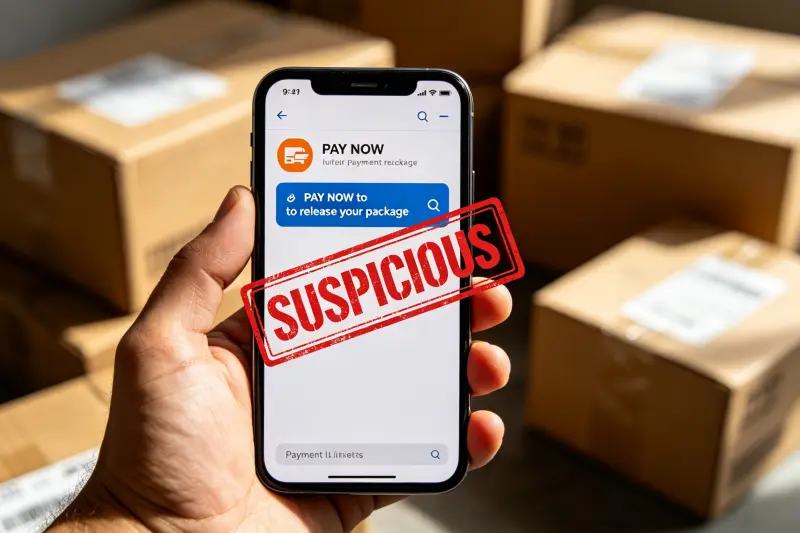
I want to share a real story that happened to one of our valued clients. It’s a tough lesson, but one we can all learn from. My team and I had just shipped their order of custom gym shorts. The client had already paid the freight charges to us, and the goods were in transit. Everything was proceeding smoothly. Then, the client received an SMS. It used the logo of a well-known international courier and claimed an "outstanding customs fee" was required to release the package for final delivery.
The message looked completely professional. The payment link led to a well-designed page. The amount, while unexpected, seemed plausible. Worried about shipment delays, the client acted quickly and paid it. They lost over $1,000. The money went straight to a scammer. The heartbreaking part is that this was completely avoidable. A quick email or message to our established contact point would have confirmed this was not a legitimate charge. Scammers are experts at creating a sense of urgency and mimicking official communications. This isn't about a client being naive; it's about a business owner being targeted by sophisticated criminals.
What are the common red flags of a payment scam?
Scammers are getting smarter every day, and their fake requests look more real than ever. This makes it hard to know what's legitimate. But knowing a few key warning signs can help you spot a scam before you click and pay.
The most common red flags include urgent demands for immediate payment, unexpected fees not mentioned in your contract, and requests to pay to a new bank account. You should always be suspicious of links in unsolicited emails or text messages, even if they look official.
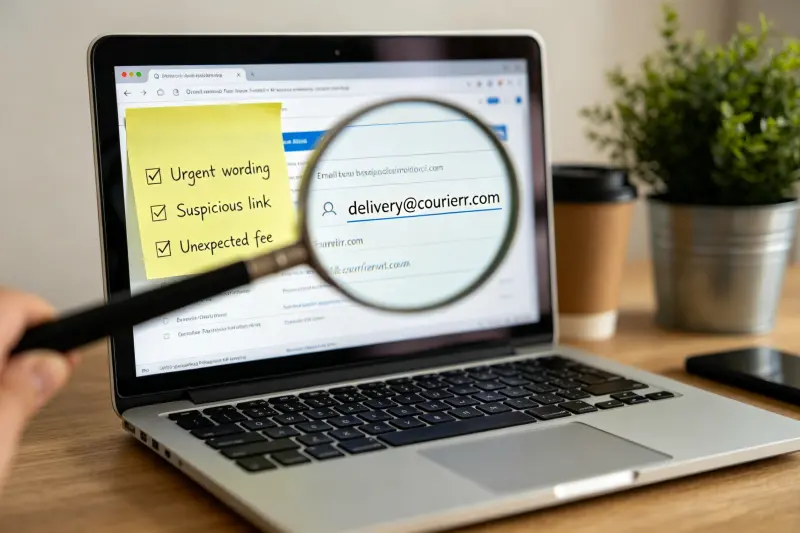
In my experience handling dozens of export orders, these scams often follow a pattern. They prey on your desire to keep your business running smoothly. The best way to protect yourself is to learn to recognize the tactics they use. It’s not about being a security expert; it’s about having a healthy dose of suspicion and a solid verification process. Below are the most critical warning signs that should make you stop and think before making any payment.
Key Red Flags to Watch For
| Red Flag | What It Looks Like | What You Should Do |
|---|---|---|
| Sudden Account Change | An email says: "Our company's bank account has been updated. Please send the balance to this new account..." | STOP. Do not send money. Call your supplier using a known phone number or use a separate, verified channel to confirm this change. |
| High-Pressure Urgency | A message demands: "PAY NOW or your goods will be returned" or "FINAL NOTICE: Your shipment is on hold." | PAUSE. This is a tactic to make you panic. Contact your supplier through your normal channel to get the true status of your shipment. |
| Suspicious Links & Emails | The request comes from a public email (@gmail.com) or a slightly misspelled domain ("ewocustoms.co" instead of "ewocustom.com"). | DON'T CLICK. Go to the official courier website by typing it in your browser or, even better, just ask your supplier to verify the link. |
| Unexpected Fees | You get a random SMS asking for a "customs clearance fee" or "re-weighing charge" that was never discussed. | VERIFY. All legitimate costs should be outlined in your Proforma Invoice or communicated by your supplier. Ask them first if the fee is real. |
These small checks don't add much time to your day, but they provide a powerful layer of security for your business.
How can a good supplier help you prevent payment fraud?
You're focused on designing and selling amazing activewear, not on becoming a cybersecurity expert. Managing international payments adds another layer of risk and stress to your plate. A true manufacturing partner does more than just sew shorts; they act as your first line of defense.
A reliable manufacturer provides clear, consistent payment instructions from day one and never changes them without extensive, formal verification. They are responsive and available to quickly confirm or deny any payment request you receive, acting as a trusted partner in securing your supply chain.
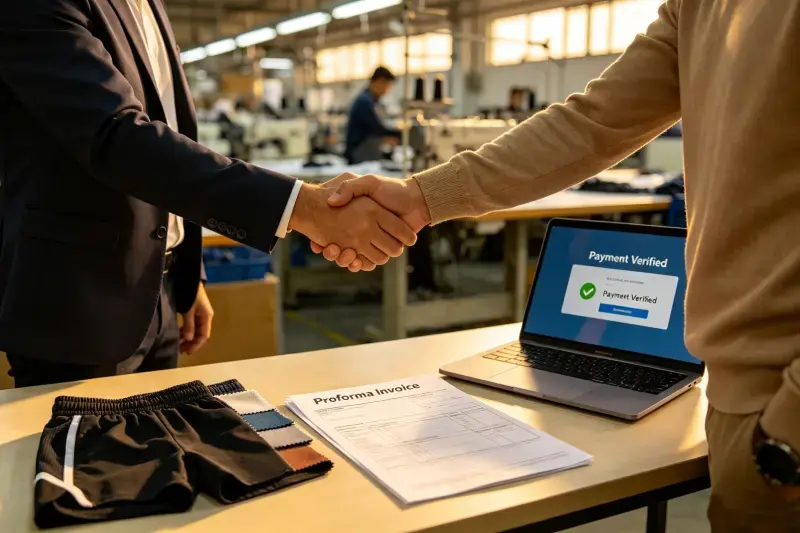
As a custom shorts manufacturer, we believe our responsibility extends beyond the factory floor. Your success is our success, and that includes ensuring your financial transactions are safe. A good supplier relationship provides a crucial human checkpoint in a world of automated scams. We know your order details. We know which shipping and customs fees are legitimate and which are not. Think of us not just as your factory, but as a key part of your risk management team.
Here is how we build a secure payment environment:
-
Consistent Processes: From the very first Proforma Invoice (PI) we send, our company bank details are clearly stated. They do not change. Whether you are paying a deposit, a balance, or a shipping fee, it will always go to the same verified corporate account. We established this strict policy specifically to protect our clients from fraud.
-
Proactive & Responsive Communication: We keep you updated on your order's progress. More importantly, we encourage you to reach out to us instantly if anything seems off. If you ever receive a payment request—from anyone—concerning your order with us, your first action should be to ask us: "Is this real?" A simple question is all it takes. We promise a fast response to help you verify it.
Your security is our security. We are your allies in this process.
Conclusion
Fake payment requests are a real danger for importers. The solution is simple: always verify any unexpected payment request with your trusted supplier partner before you act.