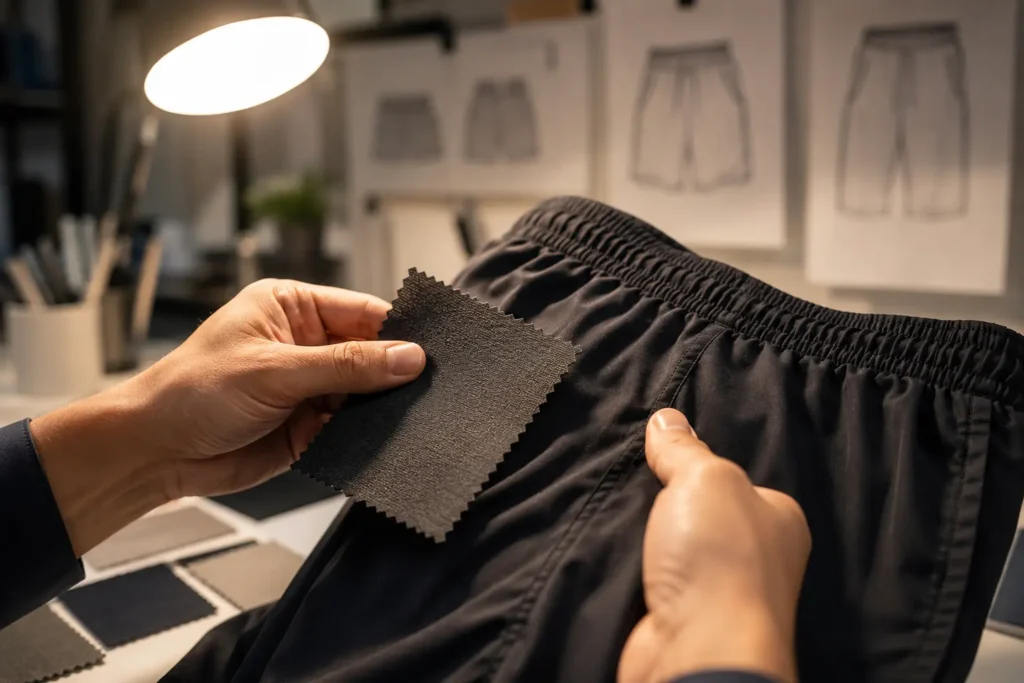
What Should You Prepare Before Ordering Custom Gym Shorts in Bulk?
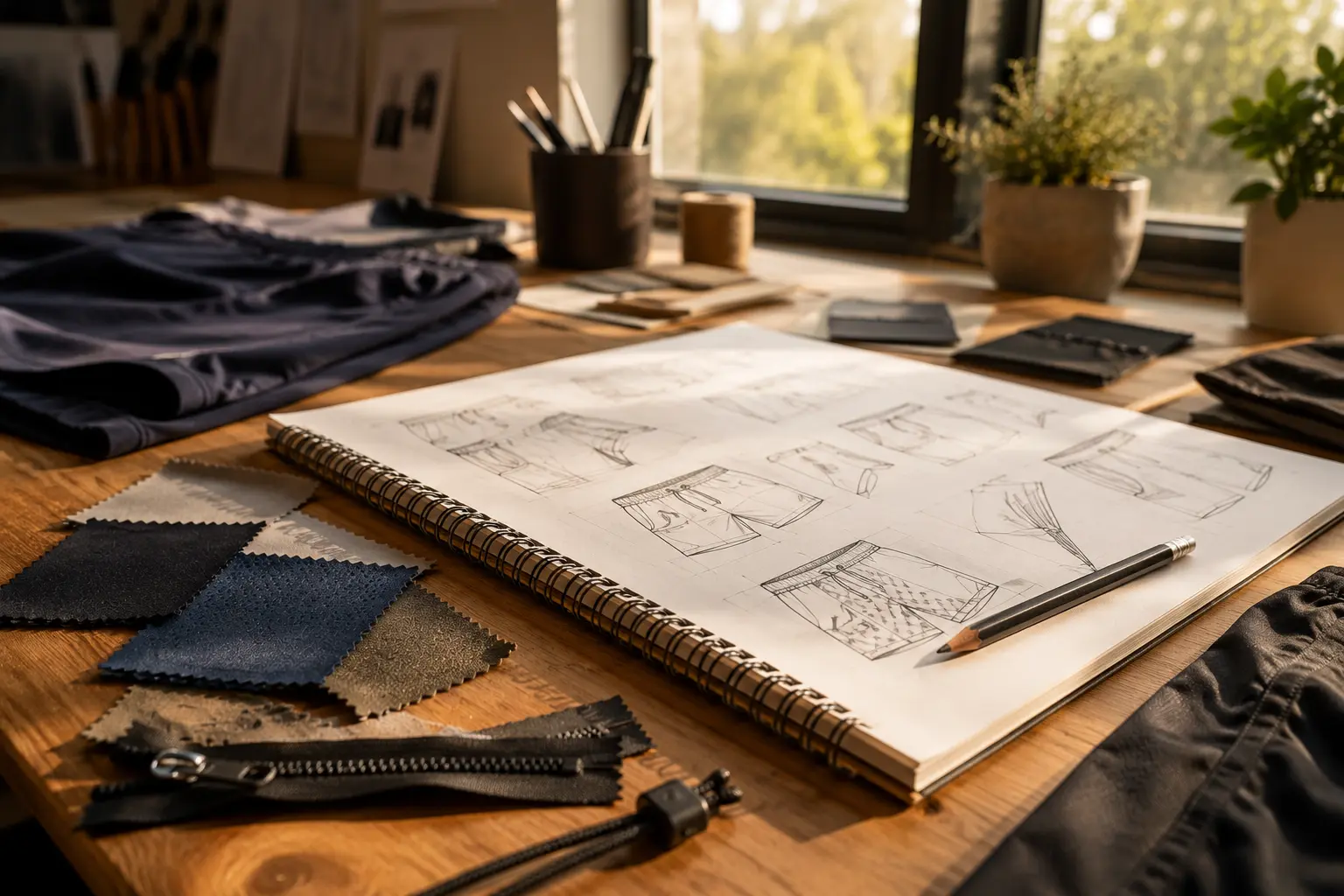
Ordering custom gym shorts in bulk involves much more than sending a logo and requesting a quotation. For sportswear brands, wholesalers, gyms, and retailers, the decisions made before sampling directly influence product quality, manufacturing cost, production efficiency, and customer satisfaction.
Based on our OEM and ODM manufacturing experience, successful bulk orders begin with a complete product plan rather than a unit price. Defining the product specifications early helps reduce revisions, shorten sampling time, and improve production consistency.
This guide explains what brands should prepare before placing a bulk custom gym shorts order and why clear planning usually saves more time and money than negotiating the lowest quotation.
What Product Are You Actually Manufacturing?
Many buyers believe they're ready to request a quotation once they have a logo and a reference image. From a manufacturer's perspective, that's only the beginning.
Before estimating costs or confirming lead times, the product itself must be clearly defined.
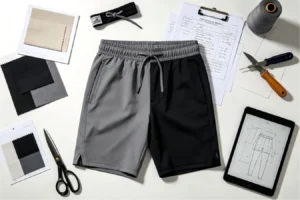
A complete product brief should include:
- Intended use
- Fabric
- Fit
- Inseam length
- Liner type
- Pocket configuration
- Waistband design
- Logo application
- Packaging
- Color options
- Size range
- Estimated order quantity
Without these details, quotations often compare products that aren't truly equivalent.
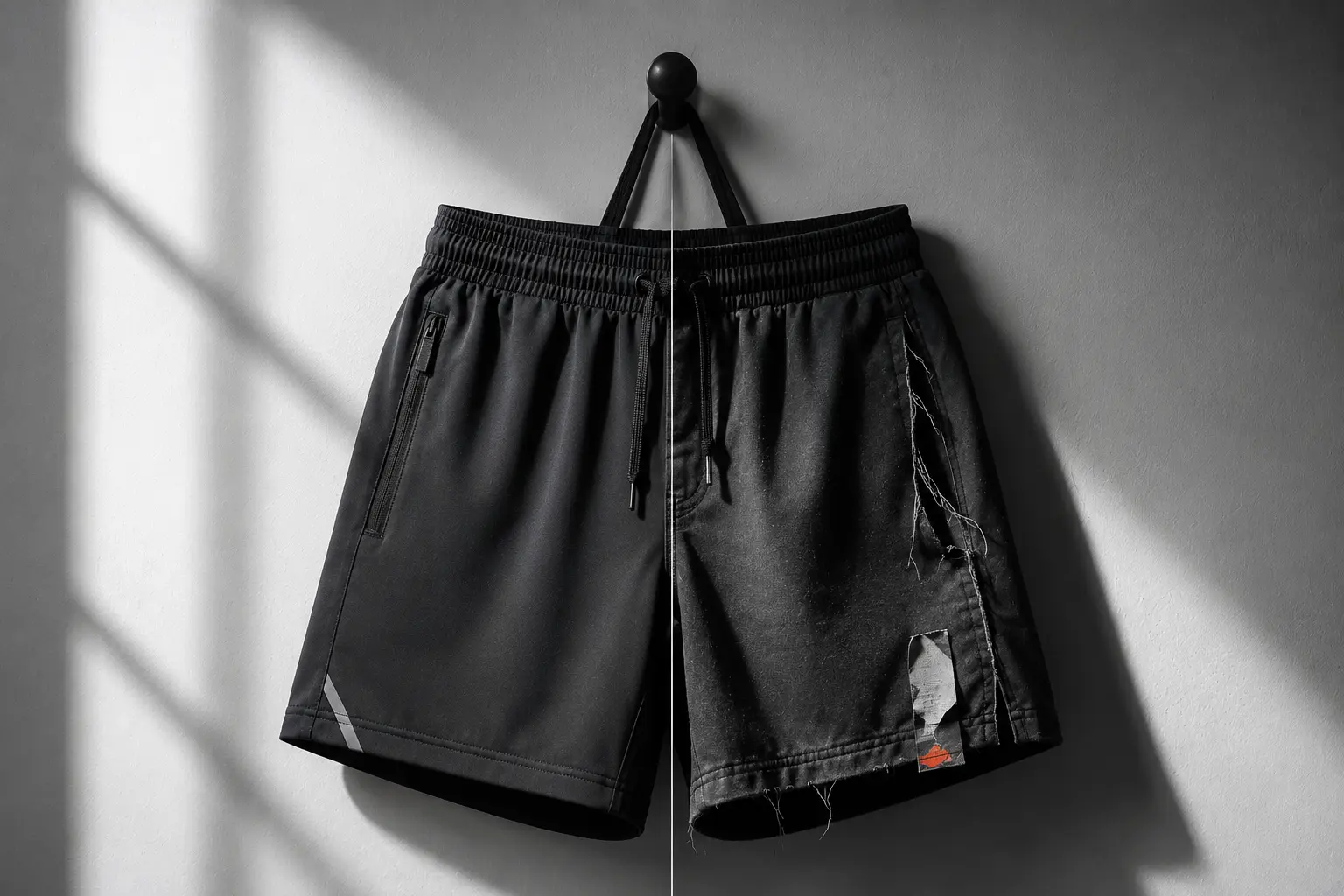
Define the Use Case Before Discussing Price
Not every gym short is built for the same purpose.
Although products may appear similar, the technical requirements differ significantly depending on how the garment will be used.
For example:
- Weight-training shorts prioritize unrestricted movement and durability.
- Running shorts focus on lightweight construction and breathability.
- Basketball shorts generally require a longer silhouette and greater freedom of movement.
- Teamwear often emphasizes durability, branding, and consistent sizing.
- Lifestyle athletic shorts balance performance with everyday comfort.
During product development, defining the training scenario first allows us to recommend more appropriate fabrics, construction methods, and manufacturing solutions.
One project involved a customer who wanted a single style suitable for both gym training and retail sales. The first sample looked excellent on the table, but movement testing revealed that the side opening was too high for some users. Adjusting the pattern during sampling solved the issue before production began, preventing unnecessary problems later.
| Specification | Why It Matters | Production Impact |
|---|---|---|
| Intended use | Defines product performance | Influences pattern, fabric and construction |
| Fabric | Determines comfort and durability | Affects cost and sampling |
| Liner | Changes support and functionality | Influences sewing operations |
| Pocket design | Improves usability | Impacts production complexity |
| Waistband | Determines comfort and stability | Influences trims and assembly |
| Packaging | Supports retail or wholesale sales | Affects lead time and logistics |
Small Decisions Can Influence the Entire Project
Details that appear minor during planning often have a significant impact during production.
Logo application is one example.
The same artwork can be produced using:
- Heat transfer
- Screen printing
- Embroidery
- Silicone patches
- Woven labels
- Rubber badges
Each method differs in durability, appearance, production time, and cost.
Packaging also deserves early attention.
Retail-ready packaging may require:
- Hangtags
- Custom polybags
- Barcode labels
- Size stickers
- Carton markings
These materials need to be sourced, approved, and incorporated into the production schedule.
Based on our factory experience, discussing these details before sampling usually prevents delays during bulk production.
Rather than focusing immediately on the lowest quotation, it's more productive to define exactly what the finished product should achieve.
Related Reading: Learn more about our OEM & ODM Development Process and how product planning influences sampling and bulk manufacturing.
Why Can the Lowest Unit Price Create Higher Business Risk?
Competitive pricing is important, particularly for growing brands.
However, selecting a supplier based solely on the lowest quotation often creates unexpected costs later.
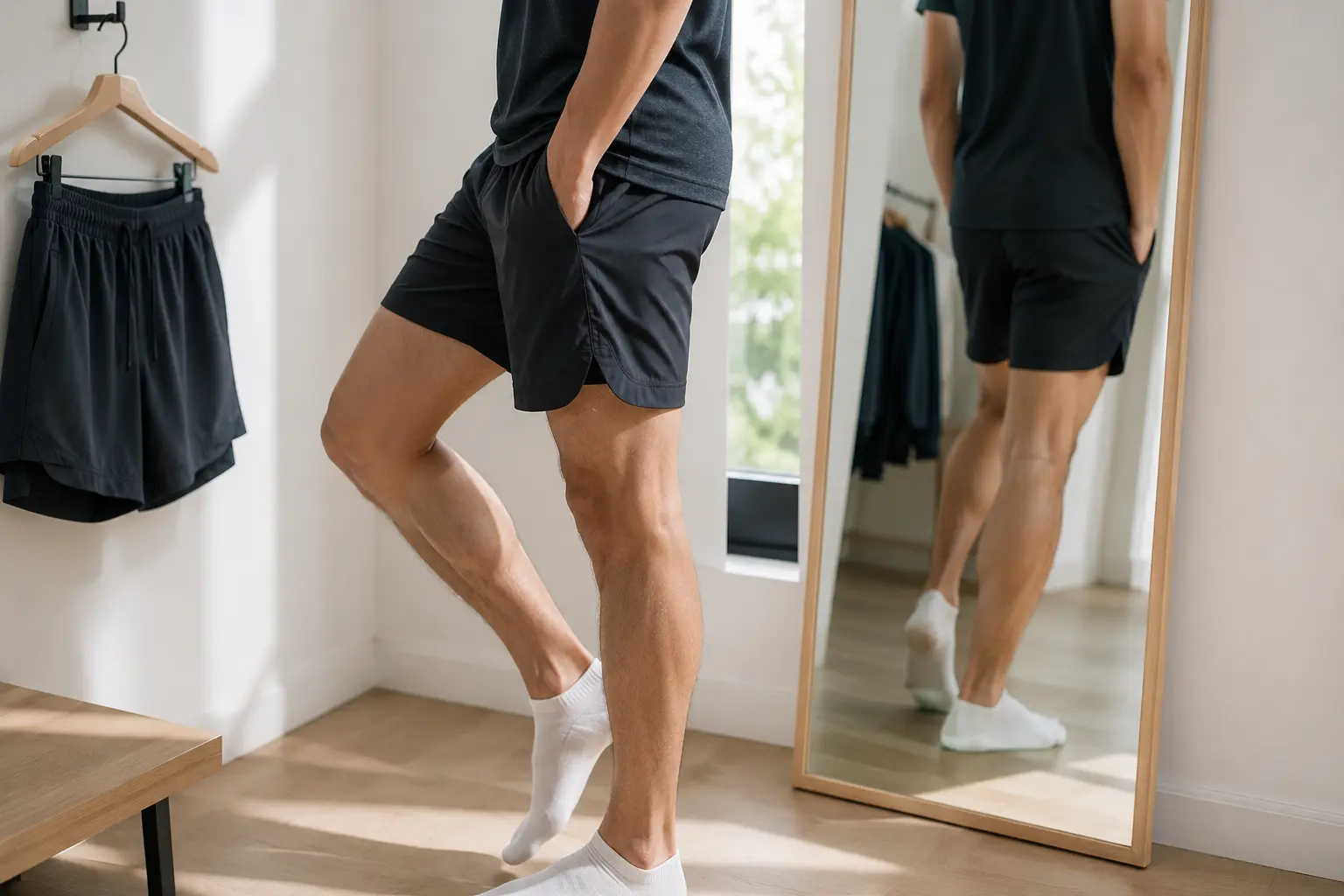
Based on our OEM manufacturing experience, the biggest production problems rarely come from the quotation itself—they result from differences between what buyers expect and what suppliers actually include.
A lower price often reflects compromises somewhere in the product.
These compromises may involve:
- Fabric quality
- Pattern development
- Logo application
- Packaging
- Sampling time
- Quality inspection
Without comparing specifications carefully, two quotations may appear similar while describing completely different products.
Understand the Trade-Offs Behind Lower Prices
Lower manufacturing costs aren't automatically a problem.
Entry-level products, promotional apparel, and teamwear often require practical cost control.
The key is understanding where costs are being reduced and whether those compromises fit your brand positioning.
| Lower-Cost Choice | Possible Business Risk | Better Question to Ask |
|---|---|---|
| Lighter fabric | Lower perceived quality | Does it match the retail price? |
| Basic logo process | Reduced durability | Which application method best suits our brand? |
| Simplified packaging | Less premium presentation | How will customers receive the product? |
| Limited fit development | Higher return rates | Does the sizing fit our target market? |
| Shortened sampling | Important issues overlooked | What approvals are completed before production? |
Lower Cost Doesn't Always Mean Better Value
We've worked with brands launching products for different price points.
Some projects required simplified packaging to remain competitive.
Others invested in premium fabrics because customer expectations justified the additional cost.
The best solution depends on the product strategy—not simply the manufacturing budget.
During quotation discussions, we encourage buyers to share a realistic budget range.
That allows us to recommend where additional investment creates the greatest value and where costs can be reduced without affecting customer satisfaction.
A transparent discussion early in the project often produces better long-term results than negotiating only for the lowest unit price.
How Should Brands Plan Fit and Sizing for Western Markets?
A well-designed pair of gym shorts can still receive poor customer reviews if the sizing doesn't match the target market. For many sportswear brands, fit is one of the biggest factors affecting return rates and repeat purchases.
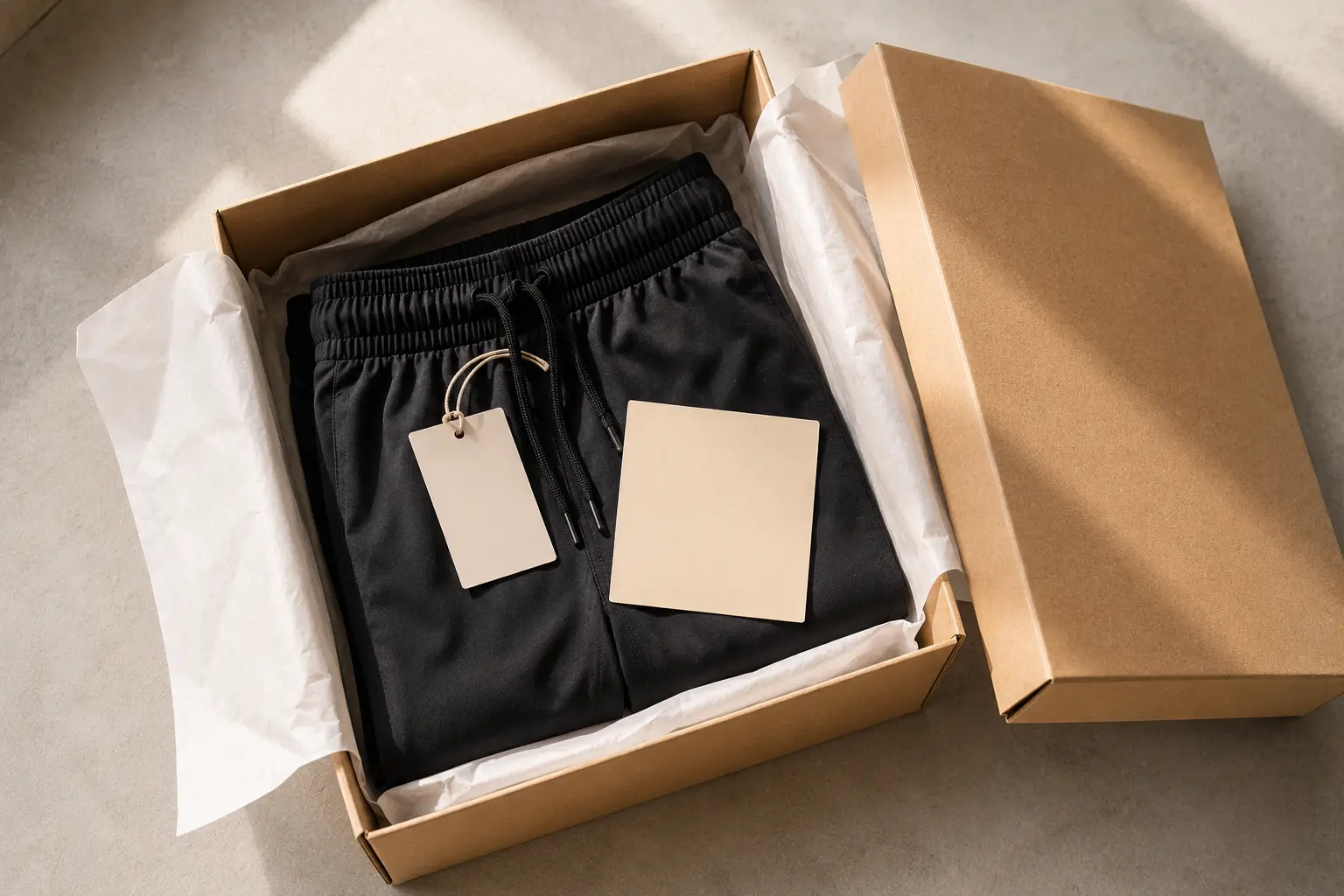
Based on our OEM experience, sizing discussions often take longer than logo approval because they directly influence how customers experience the product.
Before bulk production begins, brands should clearly define:
- Target customer
- Size range
- Inseam length
- Waist fit
- Thigh width
- Rise
- Overall silhouette
These specifications become the foundation of pattern development and size grading.
Fit Is a Business Decision, Not Just a Technical Detail
Different customer groups expect different fits.
For example:
- Strength-training shorts usually require additional room through the thigh.
- Running shorts often prioritize lightweight construction with shorter inseams.
- Basketball shorts generally feature longer legs and a relaxed silhouette.
- Lifestyle activewear may balance athletic performance with everyday styling.
Choosing the correct fit early helps prevent expensive revisions during sampling and reduces the likelihood of customer returns after launch.
| Fit Specification | Question to Confirm | Risk if Overlooked |
|---|---|---|
| Inseam | 5", 7", or longer? | Product doesn't match customer expectations |
| Waistband | Relaxed or supportive fit? | Comfort complaints |
| Thigh width | Slim, regular, or athletic? | Restricted movement |
| Rise | Low, mid, or high rise? | Poor body proportions |
| Size range | XS–3XL or another range? | Missed sales opportunities |
| Target customer | Runner, lifter, team, lifestyle? | Incorrect product positioning |
Sampling Improves Accuracy Before Production
Sampling is designed to reduce risk—not eliminate it completely.
Even after sample approval, normal manufacturing tolerances still exist in bulk production.
For this reason, we recommend confirming:
- Measurement methods
- Size tolerances
- Grading rules
- Fit comments
- Pattern revisions
General feedback such as "make it fit better" provides little guidance for production.
Specific comments are far more useful.
For example:
- Increase thigh width by 2 cm on size L.
- Reduce waistband tension slightly.
- Add more room through the seat.
- Shorten the inseam by 1 inch.
These detailed instructions allow pattern makers to make measurable improvements before production begins.
Based on our factory experience, projects with clear fitting comments usually complete sampling more quickly and experience fewer production adjustments later.
What Logo, Placement, and Packaging Details Should Be Confirmed?
Many buyers focus heavily on logo artwork while overlooking the production decisions behind it.
In reality, logo application and packaging are both manufacturing processes that require planning before production begins.
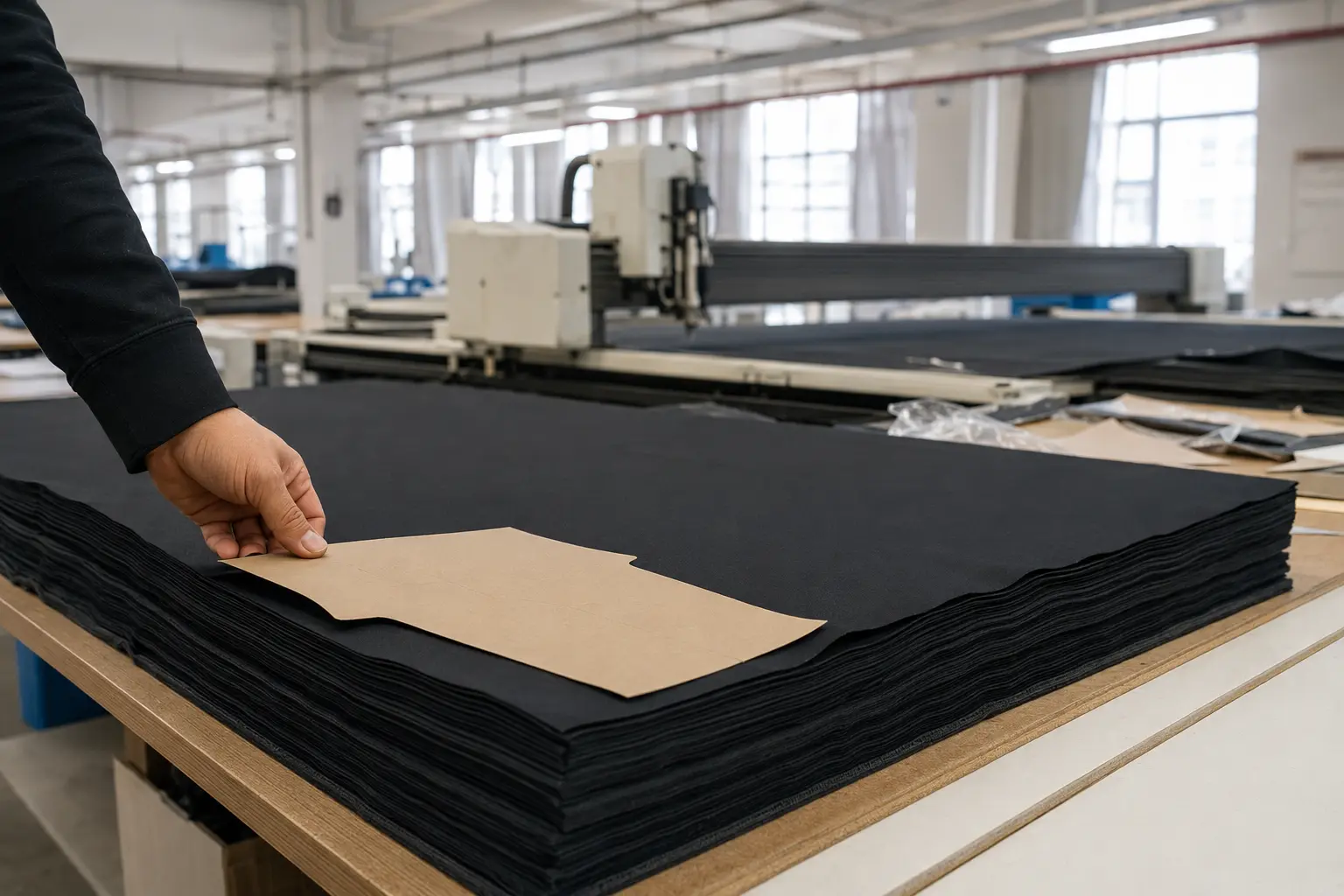
Before approving samples, brands should confirm:
- Logo application method
- Logo size
- Logo placement
- Color requirements
- Label specifications
- Hangtags
- Polybags
- Barcode labels
- Carton markings
Each decision affects production cost, lead time, and finished product appearance.
Select the Right Logo Application Method
Different decoration techniques create very different results.
Common options include:
- Heat transfer
- Screen printing
- Embroidery
- Silicone patches
- Woven labels
Each method offers unique advantages depending on:
- Fabric type
- Order quantity
- Brand positioning
- Durability requirements
- Budget
For example, embroidery creates a premium appearance but may not be ideal for lightweight performance fabrics.
Heat transfers provide a clean athletic look while maintaining flexibility.
Screen printing remains an excellent solution for many teamwear and promotional projects.
Choosing the right method should depend on the product—not simply personal preference.
| Logo Element | What to Confirm | Why It Matters |
|---|---|---|
| Decoration method | Print, transfer, embroidery, patch | Influences appearance and durability |
| Placement | Leg, waistband, pocket, rear | Affects balance and comfort |
| Size | Small branding or large graphic | Determines production complexity |
| Colors | Single, multi-color, reflective | Impacts manufacturing cost |
| Fabric compatibility | Knit, woven, stretch fabric | Ensures long-term durability |
Packaging Should Be Planned Early
Packaging is often viewed as the final production step, but many delays actually originate here.
Retail-ready orders may require:
- Custom polybags
- Hangtags
- Barcode labels
- Size stickers
- Shipping marks
- Carton labels
These materials usually require artwork approval before production begins.
We've worked with buyers who approved garments on schedule but delayed shipment because packaging files were submitted late.
The shorts were finished.
The packaging wasn't.
Including packaging requirements in the original product brief helps avoid these unnecessary delays.
Related Reading: Learn how our complete Production Process manages sampling, production, quality inspection, and packaging before shipment.
What Quantity, Color Options, and Budget Should You Confirm Before Ordering?
Order quantity influences much more than the final quotation. It affects MOQ, production planning, material sourcing, color management, and delivery schedules.
Based on our OEM manufacturing experience, one of the most common misunderstandings is assuming that total quantity alone determines production cost.
In reality, factories also need to know:
- How many colors?
- How many sizes?
- How many logo variations?
- How many packaging types?
- What delivery schedule is required?
These details directly influence manufacturing efficiency and pricing.
Quantity Is More Than a Single Number
A buyer might request:
1,000 pieces
However, production planning changes significantly depending on how those pieces are distributed.
For example:
- 1,000 pieces in one color
- 1,000 pieces across five colors
- 1,000 pieces with two logo versions
- 1,000 pieces using three packaging styles
Although the total quantity is identical, the production complexity is completely different.
Every additional color or variation requires:
- Additional fabric planning
- Separate cutting layouts
- Extra logo setup
- Additional packing management
- More quality inspections
This is why experienced manufacturers always ask for a complete quantity breakdown rather than only the total order quantity.
| Planning Item | Simpler Production | More Complex Production |
|---|---|---|
| Colors | 1–2 colors | Multiple seasonal colors |
| Size Range | Core sizes only | Extended size grading |
| Logo | One logo position | Multiple placements or colorways |
| Packaging | Standard polybag | Retail packaging with accessories |
| Fabric | Standard stock fabric | Custom-dyed or specialty fabric |
| Delivery | Flexible schedule | Fixed launch deadline |
For brands launching their first collection, a focused product line often performs better than introducing too many variations at once.
Limiting initial colors and concentrating inventory on the best-selling sizes can reduce inventory pressure while simplifying production management.
Share a Realistic Budget Range
Many buyers hesitate to discuss their budget because they worry it will affect pricing.
From a manufacturer's perspective, a realistic budget actually improves communication.
Instead of guessing which specifications fit your expectations, the factory can recommend the most appropriate combination of:
- Fabric
- Construction
- Logo process
- Packaging
- Accessories
within your target price range.
For example:
If your budget is limited, we may recommend:
- Standard performance fabric
- Heat transfer logos
- Simplified retail packaging
- One or two colorways
If your brand targets the premium market, we may recommend allocating more of the budget toward:
- Higher-grade performance fabrics
- Compression liners
- Premium trims
- Retail presentation
- Enhanced packaging
The objective isn't to maximize manufacturing cost.
It's to allocate the budget where customers will notice the greatest improvement.
Based on our factory experience, the most successful OEM projects begin with an honest discussion about both product goals and commercial expectations.
A clear project brief usually includes:
- Intended use
- Target customer
- Reference product
- Fabric preference
- Size range
- Color plan
- Logo files
- Packaging requirements
- Estimated quantity
- Target launch date
- Budget range
With this information, manufacturers can provide quotations that are both accurate and commercially practical.
Bulk Order Planning Checklist
Before requesting a quotation, confirm the following information with your team.
| Checklist Item | Why It Matters |
|---|---|
| Product use | Determines fabric, construction, and fit |
| Target customer | Guides sizing and product positioning |
| Fabric requirements | Influences quality, cost, and lead time |
| Logo application | Affects production method and pricing |
| Packaging requirements | Determines retail readiness |
| Color plan | Impacts MOQ and production planning |
| Size breakdown | Supports inventory management |
| Estimated quantity | Helps calculate realistic production costs |
| Launch schedule | Improves production planning |
| Budget range | Allows manufacturers to recommend suitable solutions |
Preparing this information before requesting quotations usually shortens communication, improves sampling efficiency, and reduces unnecessary revisions throughout production.
Frequently Asked Questions
What information should I prepare before requesting a quotation?
At minimum, prepare your reference images or Tech Pack, estimated quantity, color options, size range, logo files, packaging requirements, and target delivery date.
What is the MOQ for custom gym shorts?
Our standard MOQ is 300 pieces, although it may vary depending on fabric selection and customization requirements.
How long does sampling take?
Standard sample development requires approximately 7–10 days after specifications are confirmed.
How long does bulk production take?
For an order of approximately 600 pieces, production normally requires 15–20 days after sample approval and material confirmation.
Is a Tech Pack required?
A complete Tech Pack is recommended but not essential. Many brands begin with reference images, sketches, or existing samples, and we assist in developing production-ready specifications.
Conclusion
Successful custom gym shorts production begins long before manufacturing starts.
The brands that experience the smoothest projects are usually those that invest time in defining their products before requesting quotations.
By confirming product use, sizing, fabrics, logo methods, packaging, quantities, and budget early, brands can reduce development risks, improve sampling efficiency, and achieve more consistent bulk production.
Based on our OEM and ODM manufacturing experience, a well-prepared product brief almost always leads to faster communication, fewer revisions, and better production outcomes.
At EWO, every project follows a structured manufacturing process that includes:
- 7–10 days sample development
- MOQ from 300 pcs
- 15–20 days bulk production for approximately 600 pieces
- Factory-direct OEM & ODM manufacturing
- Quality inspection before shipment
- Long-term production support for repeat orders
Whether you're launching your first activewear collection or expanding an established sportswear brand, careful planning before sampling is one of the best investments you can make.
Ready to Start Your Custom Gym Shorts Project?
If you're planning a bulk custom gym shorts order, we'd be happy to review your product idea and recommend the most suitable manufacturing solution.
You can send us:
- Your Tech Pack
- Reference images
- Fabric requirements
- Logo files
- Estimated quantities
- Target launch schedule
Our development team will help you optimize your product before sampling begins, reducing risk and improving production efficiency.
Next Steps
- Request a Quote
- Discuss Your Project
- Send Your Tech Pack