How Much Does Activewear Manufacturing Cost in 2026?
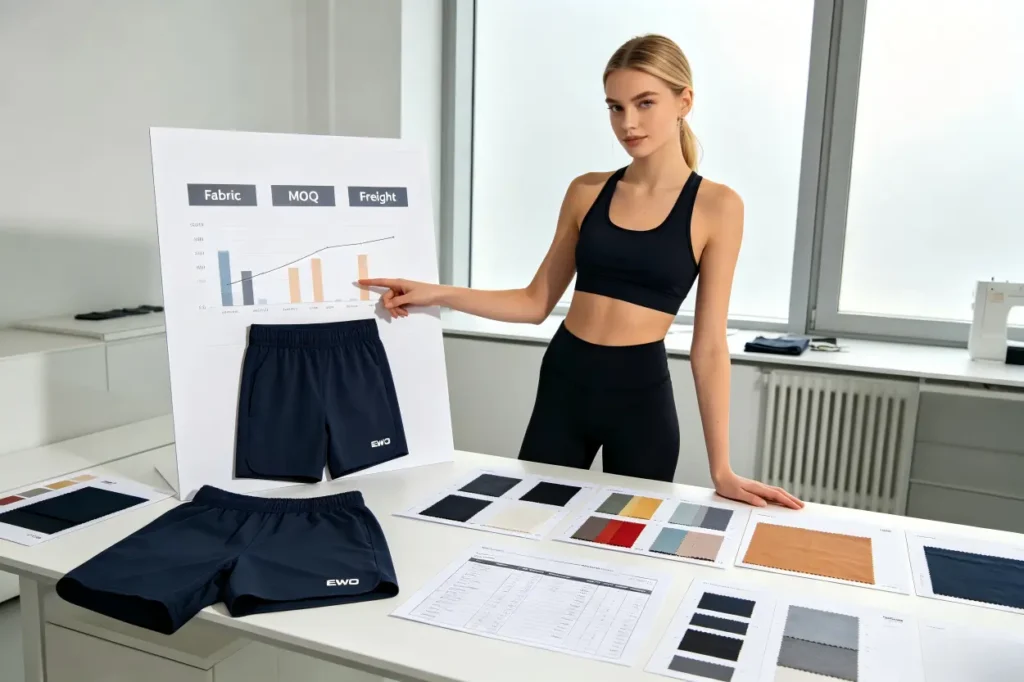
Two activewear products can look almost identical in a photograph but receive very different factory quotations. One may use basic polyester, while the other uses a stretch fabric, compression liner, zipper pockets, custom drawcord, silicone logo and retail packaging.
The difference is not simply factory profit. It comes from the complete product specification.
Activewear manufacturing cost in 2026 depends on the fabric, garment construction, order quantity, logo method, trims, labels, packaging and shipping requirements. There is no reliable universal price per piece. A factory must review the complete specification before providing an accurate quotation.
Is There a Standard Activewear Manufacturing Cost?
There is no standard cost that applies to every activewear product.
Running shorts, 2-in-1 gym shorts, performance T-shirts and sweatpants use different amounts of fabric and require different sewing operations. Even products in the same category can have very different specifications.
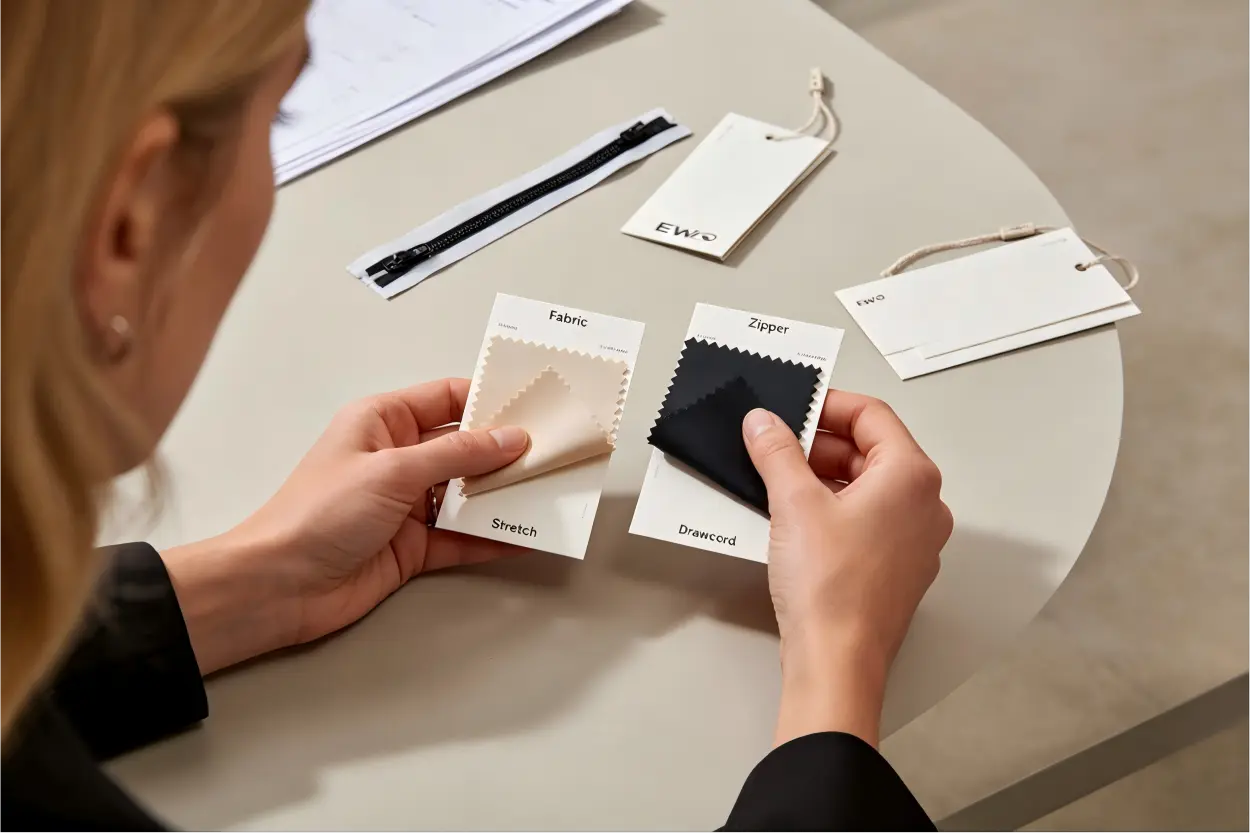
A useful factory quotation should be based on:
- Product type
- Fabric composition and weight
- Size range
- Order quantity per color
- Garment construction
- Logo method
- Labels and packaging
- Delivery destination
A quotation based only on a reference photo should be treated as an initial estimate, not a confirmed production price.
What Factors Affect Activewear Manufacturing Cost?
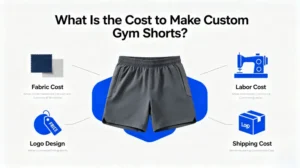
| Cost factor | What changes the quotation |
|---|---|
| Fabric | Composition, weight, stretch, finish and minimum dyeing quantity |
| Construction | Panels, seams, pockets, liners, waistbands and reinforcements |
| Quantity | Setup work and material minimums are divided across the order |
| Branding | Heat transfer, screen printing, embroidery, silicone or reflective logos |
| Trims | Zippers, drawcords, elastic, labels, aglets and buttons |
| Packaging | Polybags, hang tags, barcodes, folding and carton requirements |
| Size range | Additional grading, patterns and material consumption |
| Quality requirements | Testing, inspection standards and measurement tolerances |
During product development, fabric and construction normally have the greatest influence. A lower-cost fabric cannot always provide the same stretch recovery, hand feel or durability as the original material.
How Does Cost Differ by Activewear Product?
Athletic and Gym Shorts
Athletic shorts can range from a simple unlined style to a complex 2-in-1 design.
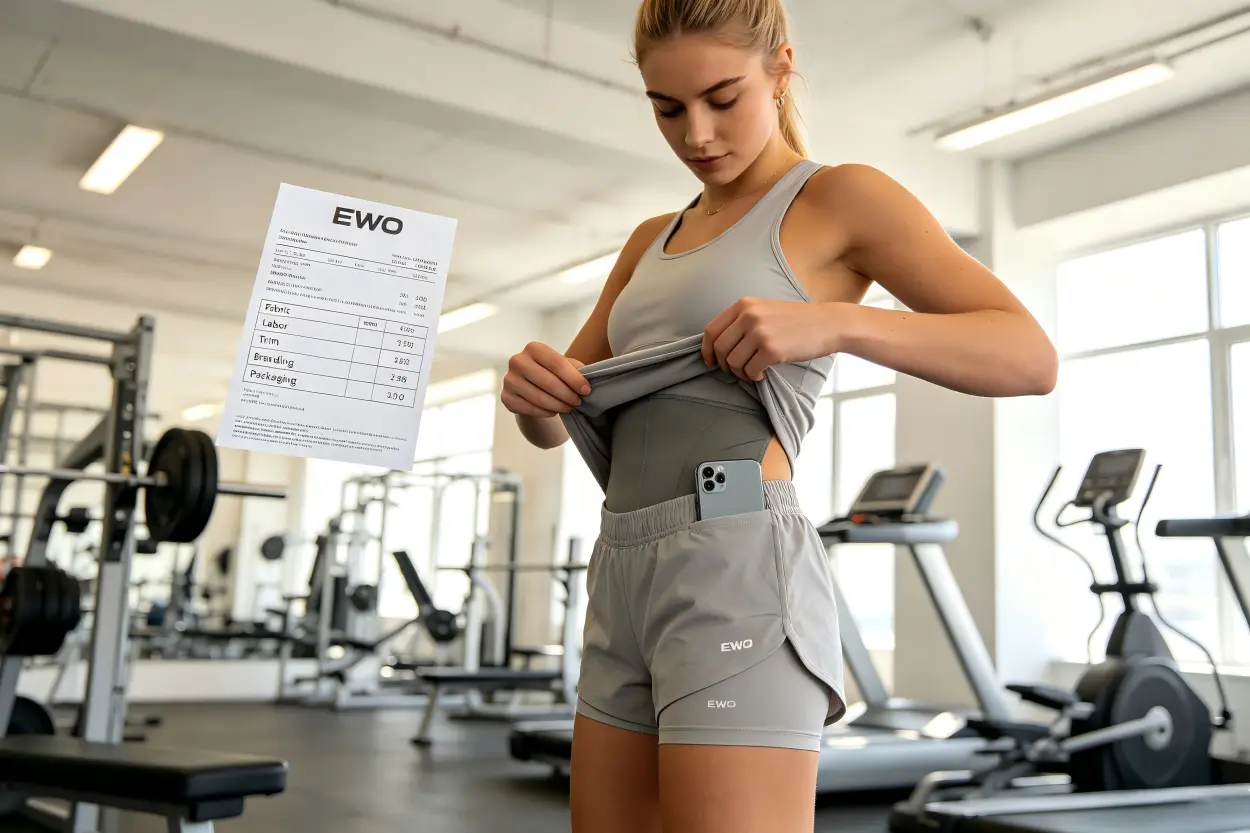
A basic short may require only one outer fabric, an elastic waistband and a printed logo. A premium 2-in-1 short may include:
- Stretch woven outer shell
- Compression liner
- Phone pocket
- Zipper pockets
- Side splits
- Flatlock seams
- Custom drawcord
- Heat-transfer or silicone logo
Every additional component requires material, cutting, sewing and inspection work. This is why buyers should compare quotations using the same specification.
Brands developing gym, running or 2-in-1 products can review the available custom gym and running shorts options before preparing an RFQ.
Performance T-Shirts
Performance T-shirts are generally less complicated than lined shorts, but fabric and seam construction can significantly change the cost.
Important variables include:
- Polyester or nylon blends
- Spandex percentage
- Mesh or jacquard structure
- Quick-dry or moisture-management finish
- Raglan or set-in sleeves
- Flatlock stitching
- Reflective or silicone branding
A lightweight running T-shirt with basic stitching should not be compared with a fitted compression shirt using stretch fabric and flatlock seams.
The custom performance T-shirt manufacturing page provides more information about fabric, fit and branding options.
Sweatpants and Other Activewear
Sweatpants usually consume more fabric than shorts and may require rib cuffs, heavier waistbands, drawcords and multiple pockets. Fabric weight also affects packing volume and shipping cost.
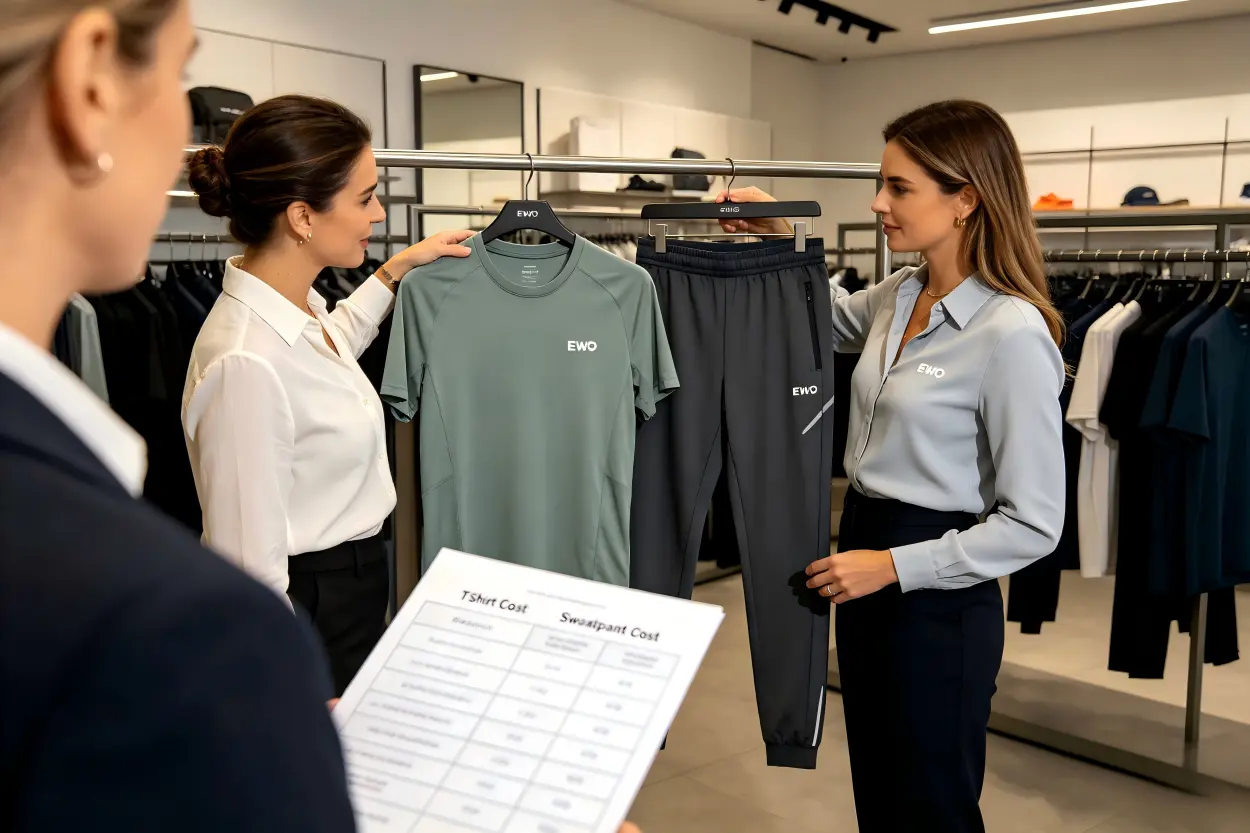
For brands building a coordinated collection, it is useful to price shorts, T-shirts and sweatpants separately. Combining them into one average unit price can hide the real cost of each product.
How Do MOQ and Sampling Affect Cost?
Smaller orders can carry more cost per piece because fabric sourcing, color matching, pattern development, logo setup and cutting preparation are divided across fewer garments.
However, ordering more units does not automatically create a better business decision. Excess inventory can cost more than the saving achieved through a lower unit price.
During sample approval, buyers should confirm:
- Fabric and color
- Measurements and fit
- Construction details
- Logo size and placement
- Labels and packaging
- Wash and stretch performance
Sample production takes approximately 8–10 working days once the fabric, measurements, artwork and construction details are approved. Express sample delivery normally takes another 5–7 days.
Sampling adds development cost, but it also reduces the risk of producing an incorrect bulk order.
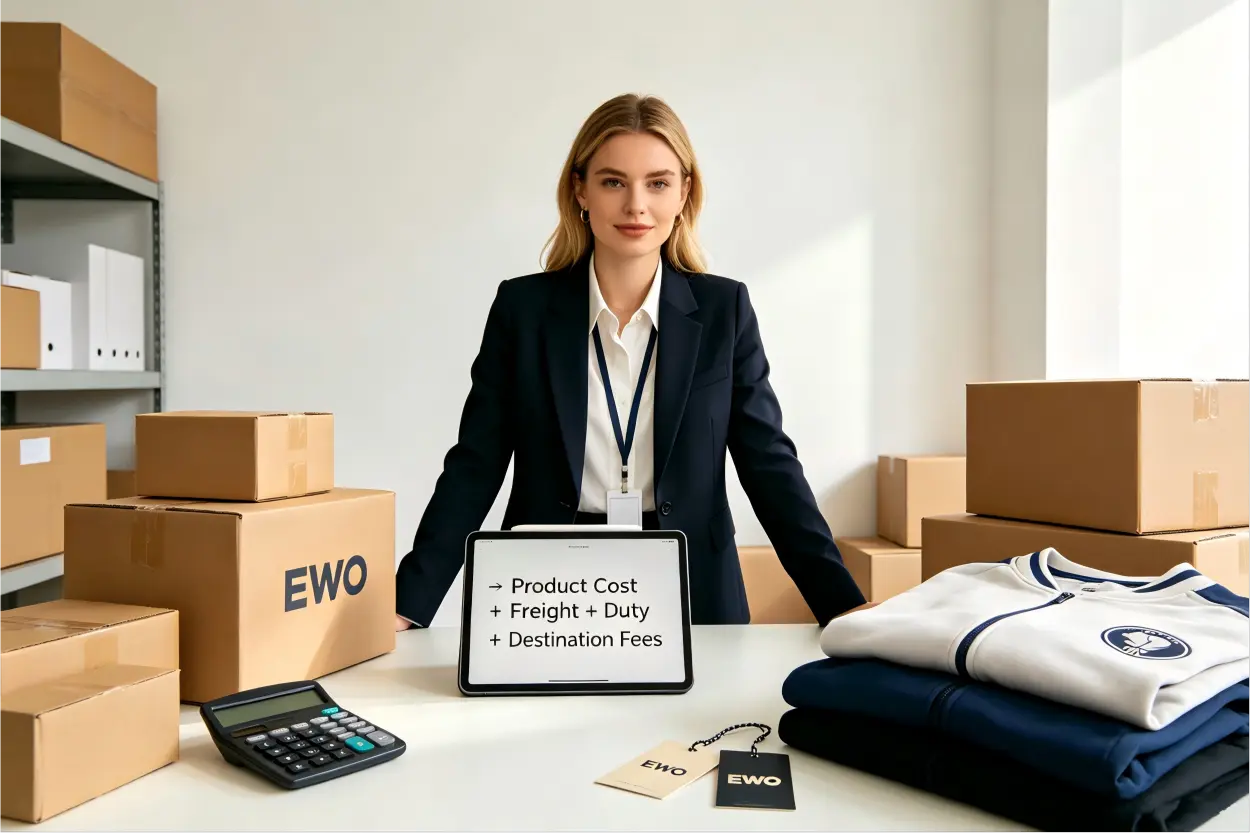
What Is Included in the Real Landed Cost?
The factory unit price is only one part of the total budget.
Landed cost = product cost + development cost + packaging + freight + import charges + destination expenses
Express shipping by FedEx or DHL normally takes 5–7 days, while air freight takes approximately 10–15 days. Freight cost depends on shipment weight, carton volume, destination and shipping method.
Bulk production normally takes 25–30 working days after the sample and order details are approved. Buyers can review the complete activewear production process before planning a launch date.
How Can Brands Control Cost Without Reducing Quality?
The safest approach is to simplify details that customers may not notice while protecting the features that affect fit, comfort and durability.
Practical cost-control options include:
- Use one fabric across several coordinated styles.
- Reduce unnecessary color variations in the first order.
- Select one suitable logo method instead of combining several.
- Use standard zippers, drawcords or packaging where appropriate.
- Avoid changing specifications after sample approval.
- Confirm realistic order quantities based on the sales plan.
One issue we frequently encounter is a buyer requesting a premium reference product at a basic promotional price. A better approach is to identify which features create real customer value and which details can be simplified.
What Should You Send for an Accurate Quote?
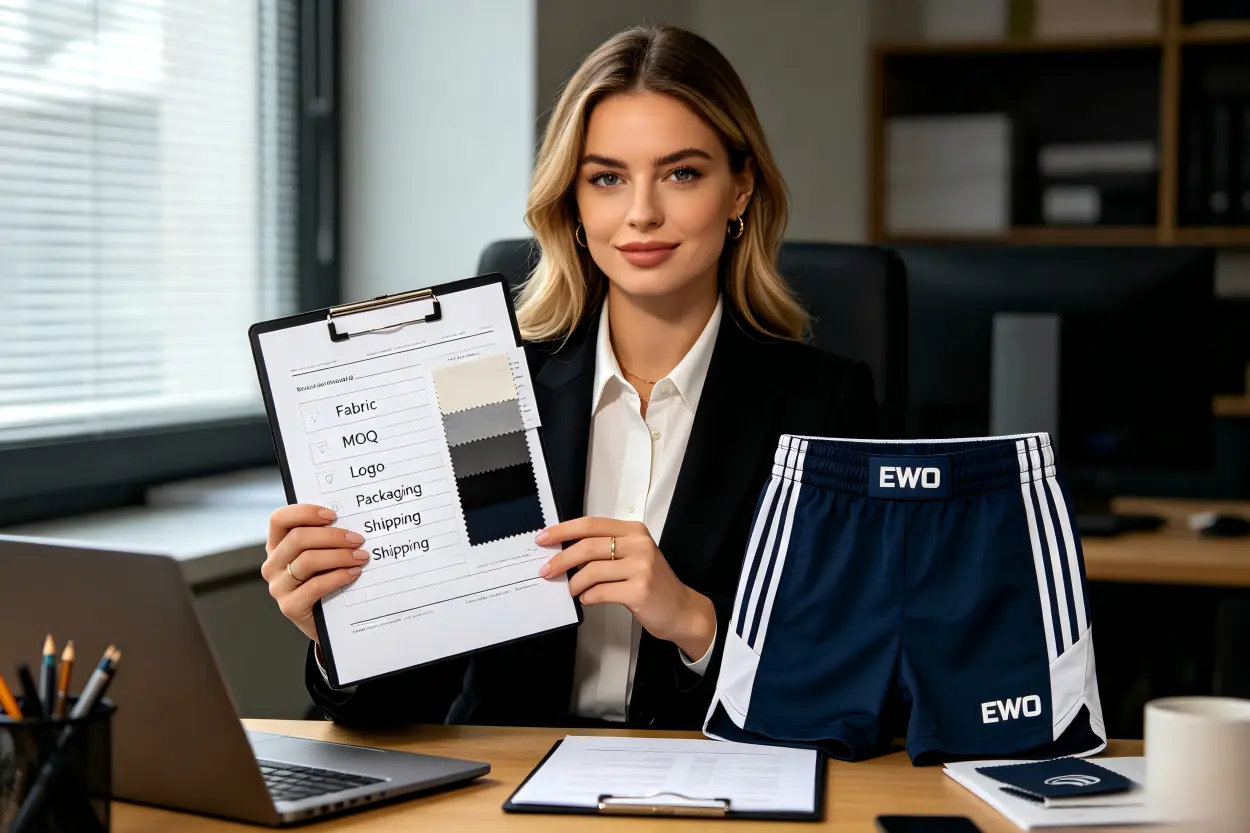
Prepare the following information:
- Tech pack or reference product
- Fabric preference
- Size chart
- Order quantity by color
- Logo artwork and dimensions
- Pocket and construction details
- Label and packaging requirements
- Destination country and postal code
If some details are not confirmed, explain the target use, retail position and budget direction. The factory can then recommend a practical specification instead of guessing.
FAQ
Can a Factory Quote Activewear From a Photo?
A photo can support an initial estimate, but it cannot confirm fabric weight, stretch, internal construction, measurements or trim quality. A final quotation requires more detailed specifications.
Why Are 2-in-1 Shorts More Expensive Than Basic Shorts?
They use separate outer and liner fabrics and normally require more cutting, sewing, pocket construction and fit checking. The liner may also need flatlock seams and additional measurement control.
Does a Larger Order Always Reduce the Price?
A larger quantity can distribute setup costs more efficiently, but the actual saving depends on fabric minimums, color quantities and production complexity. Buyers should balance unit cost against inventory risk.
How Should Buyers Compare Factory Quotations?
Make sure every supplier is quoting the same fabric, construction, quantity, logo, labels, packaging and shipping terms. A cheaper quotation based on a reduced specification is not a true price comparison.
Final Recommendation
Activewear manufacturing cost cannot be calculated accurately from the product name alone. The most reliable budget starts with a clear specification covering fabric, construction, quantity, branding and packaging.
If you are planning athletic shorts, performance T-shirts or a coordinated activewear collection, send your tech pack or request a quotation. A clear product brief allows the factory to provide a more useful cost breakdown before sampling begins.