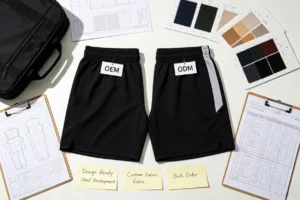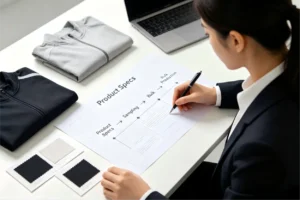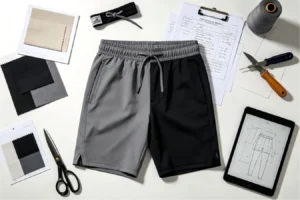
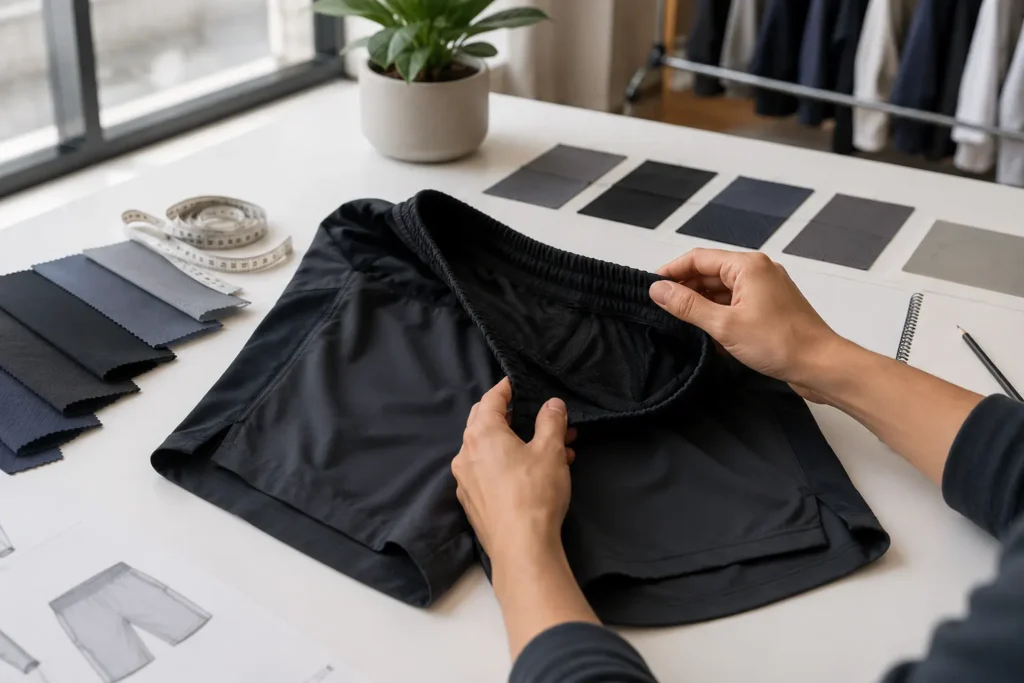
I see buyers lose time and money when small sports shorts details stay hidden. Sampling exposes those problems before bulk production makes them expensive.
I use sampling as a pre-production risk check. It helps me verify fit, fabric, movement, logo details, color, and communication before a buyer commits to a custom sports shorts bulk order.
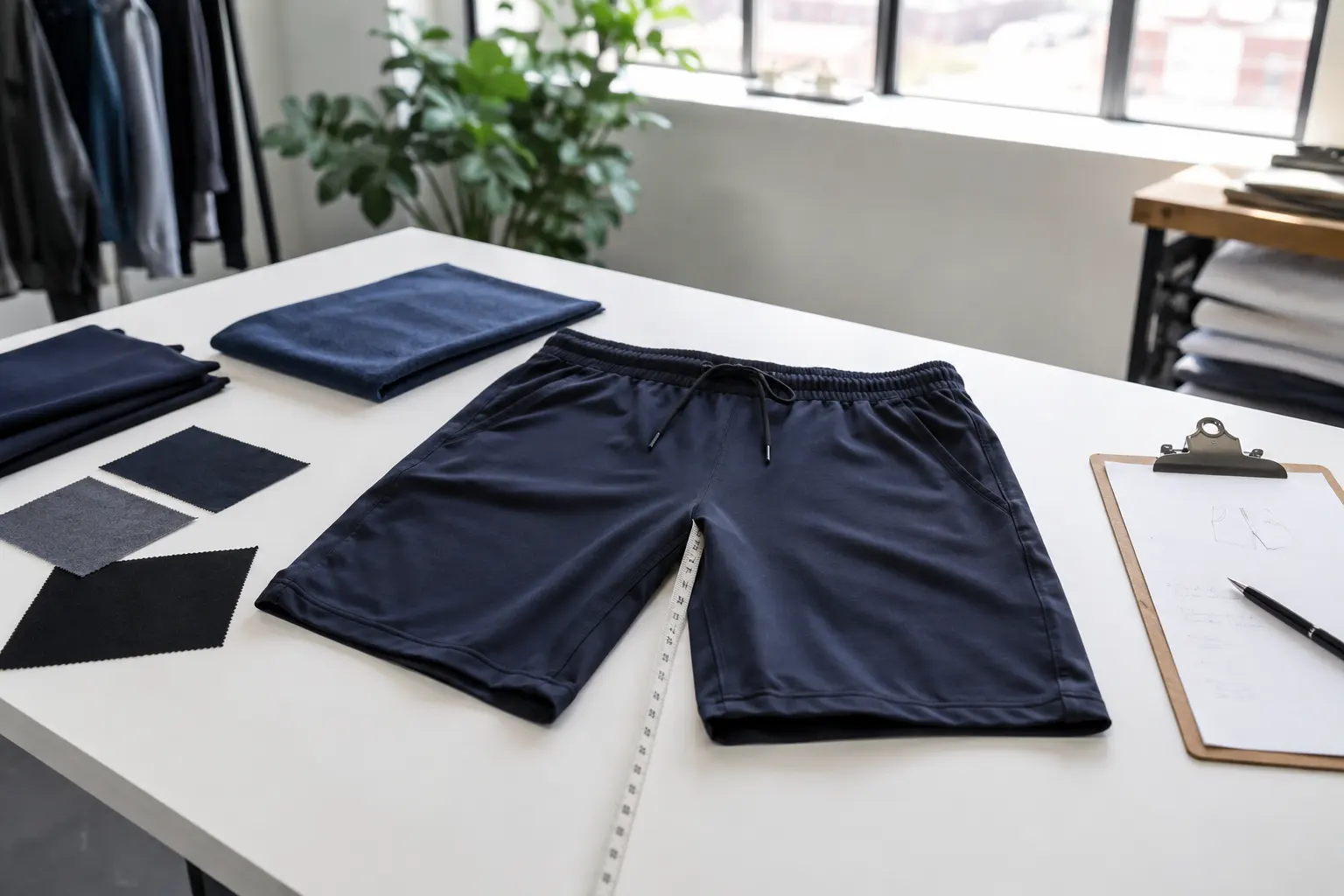
I have seen many buyers treat sampling as a small purchase. They ask for photos, size charts, or fabric names, and they feel ready to order. I understand that feeling because speed matters in apparel buying. But I also know that sports shorts are not judged only by how they look on a table. A buyer needs to know how the shorts feel during running, squats, boxing footwork, basketball jumps, or team training. A buyer also needs to know how the factory handles comments, revisions, and unclear points. When I help clients before production, I do not see sampling as a delay. I see it as the last safe place to find problems while the order is still easy to correct.
Why Is Sampling More Than Buying a Sample?
I see this mistake often. A buyer asks for one sample, but the real question is whether the product and the supplier can handle bulk risk.
Sampling is more than receiving one garment. I use it to test product details, confirm buyer expectations, check factory communication, and reduce the risk of costly mistakes before mass production begins.
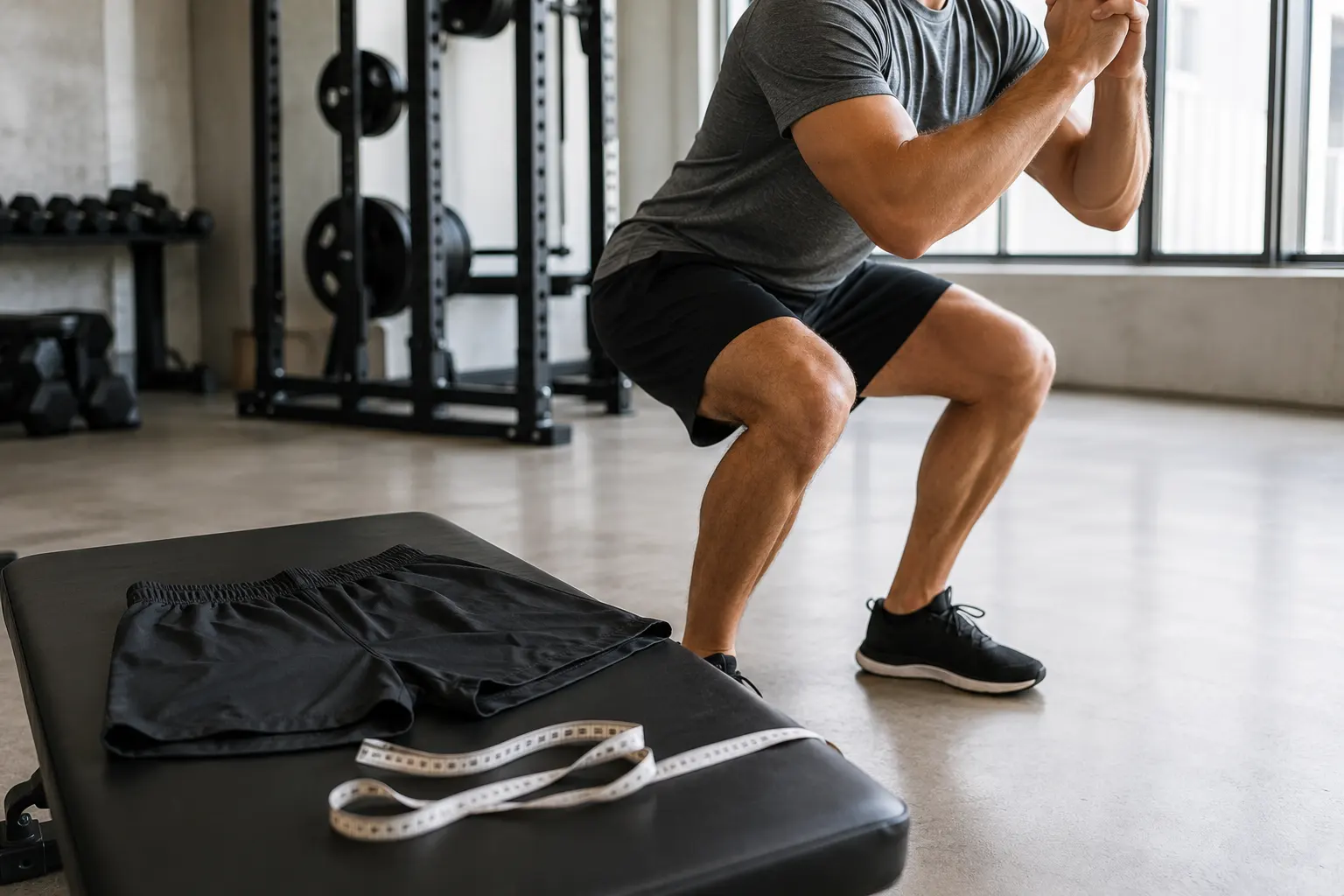
I treat the sample as a risk check
I do not treat a sample as a simple product photo in physical form. I treat it as a test of decisions. The buyer has already made choices about fabric, waistband, drawcord, pocket, logo, label, fit, and color. The sample shows whether these choices work together. In customer projects, I often see one detail look fine alone but create a problem when it meets another detail. A thick waistband can feel secure, but it can feel heavy for running. A loose fit can look relaxed, but it can feel unsafe for boxing. A printed logo can look sharp, but it can sit too low when the shorts are worn.
I link each sample point to a business risk
| Sample Check | What I Look For | Buyer Risk If Skipped |
|---|---|---|
| Fit | I check rise, leg opening, and waist feel. | The buyer may receive shorts that customers do not wear again. |
| Fabric | I check stretch, weight, and hand feel. | The buyer may get returns or weak reviews. |
| Logo | I check size, placement, and method. | The brand image may look cheap or inconsistent. |
| Communication | I check how comments are understood. | The bulk order may repeat the same mistake many times. |
I always remind buyers that a sample is not a promise that bulk production will be perfectly identical in every small point. It is a tool for verification and correction. It gives both sides a clear reference before money, fabric, and production time are locked in.
How Does Sampling Protect Fit, Stretch, and Comfort?
I know buyers can read a size chart, but a size chart cannot squat, sprint, jump, or sit. The body test still matters.
Sampling protects the buyer by showing how sports shorts fit and move on the target wearer. I use it to check comfort, stretch, waistband pressure, length, and movement before bulk production starts.
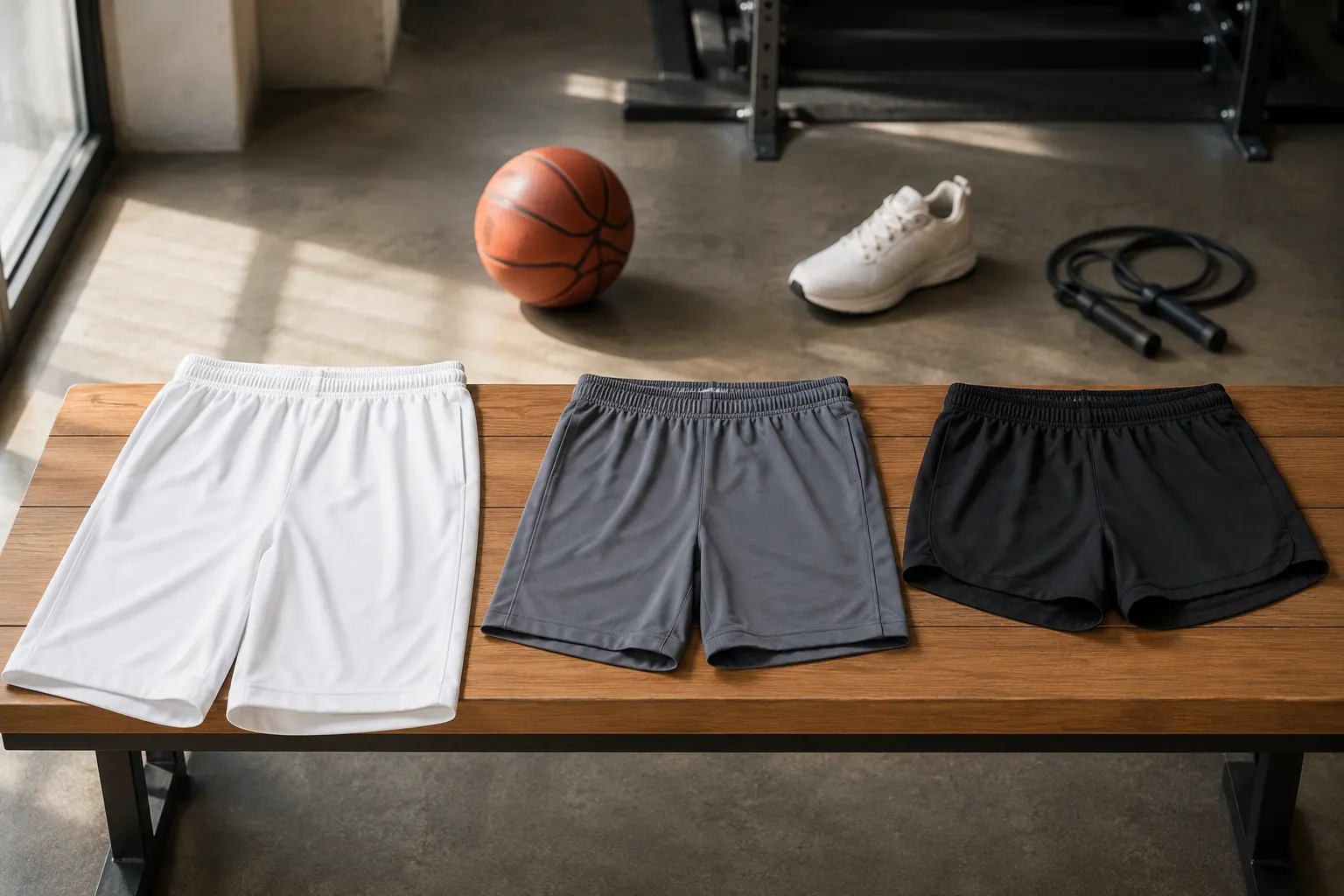
I check how the shorts behave on a real body
I have handled many sports shorts projects where the measurement table looked correct, but the wearer still felt something wrong. The issue was not always the size number. Sometimes the rise was too low. Sometimes the leg opening was too narrow. Sometimes the waistband rolled during training. Sometimes the fabric stretched in one direction but not enough in another direction. A running short can pass a flat measurement check and still feel restrictive during a long stride. A gym short can look strong but feel tight during deep squats. This is why I ask buyers to test the sample on the target wearer, not only on a hanger.
I connect wear feel with customer complaints
| Fit Area | Simple Test I Ask For | Problem It Can Prevent |
|---|---|---|
| Waistband | I ask the wearer to bend, sit, and move. | I help prevent rolling, pinching, or sliding. |
| Inseam | I ask the wearer to walk, run, or jump. | I help prevent rubbing or poor coverage. |
| Leg opening | I ask the wearer to squat or kick. | I help prevent restriction during training. |
| Fabric stretch | I ask the wearer to pull and move naturally. | I help prevent discomfort in active use. |
I also ask buyers to think about their end customer. A team buyer may need a safe and balanced fit for many body types. A young training brand may want a sharper fit for social media and gym use. A wholesaler may need a fit that works for a wide size range. Sampling helps the buyer choose the right balance before the order becomes inventory.
How Does Sampling Match Shorts to the Right Sport?
I see buyers use one design for many sports. That can work sometimes, but each sport still creates different pressure on the shorts.
Sampling helps me confirm whether the shorts match the real use case. Running, gym, basketball, boxing, teamwear, and daily training all need different fit, fabric, construction, and details.
I start with the activity, not only the style
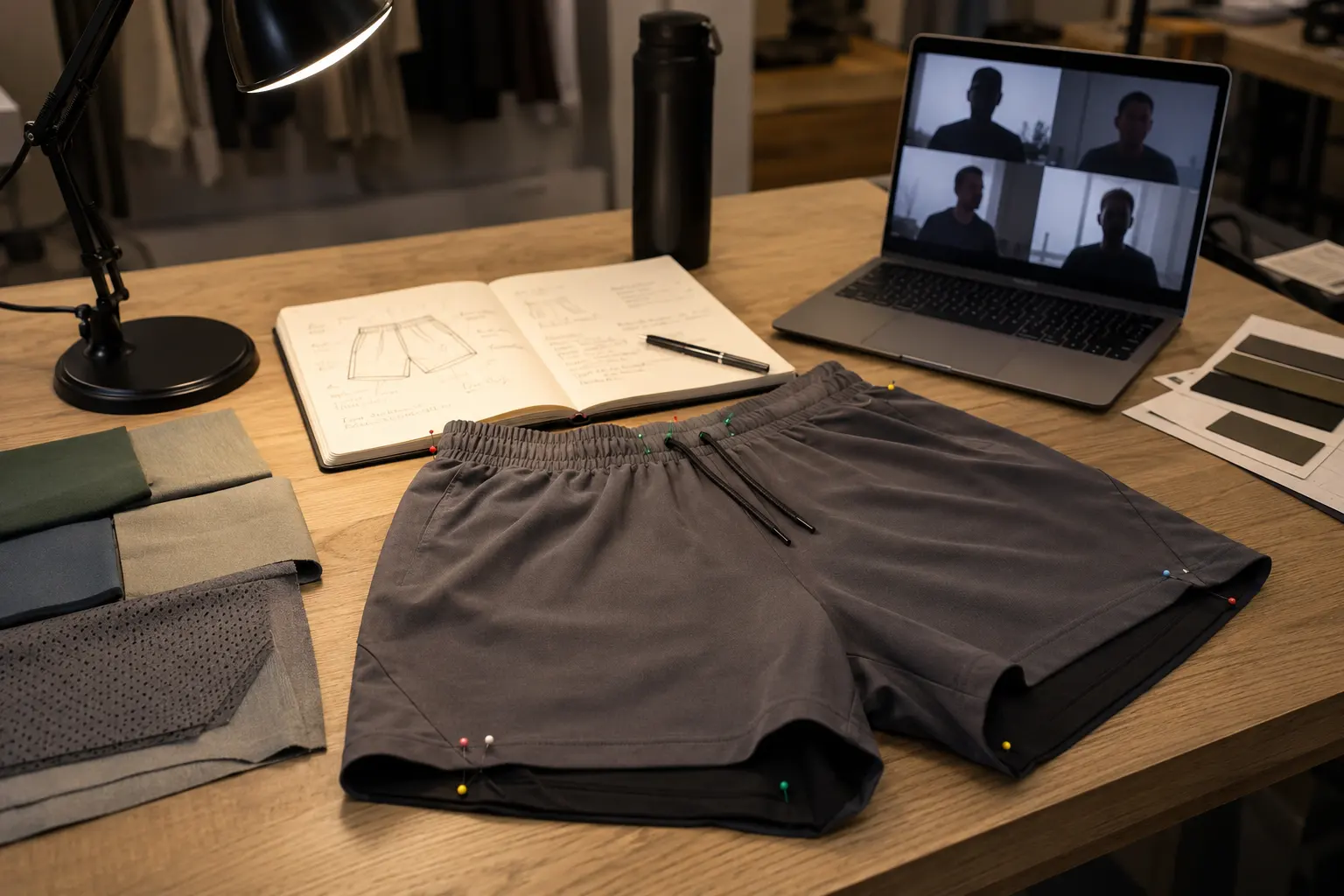
When a client asks me for custom sports shorts, I usually ask what the shorts are designed for. I ask this before I focus on small details. The reason is simple. The activity changes the risk. Running shorts need light weight, quick dry feel, and smooth movement. Gym shorts need stretch, durability, and pocket stability. Basketball shorts need room, airflow, and enough length for the look. Boxing shorts need freedom around the hip and thigh. Teamwear needs consistent sizing and repeatable color. Daily training shorts need comfort and easy care. If the buyer skips this discussion, the product can look correct but fail in use.
I use sampling to compare the design with the sport
| Sport or Use | Main Need I Check | Common Risk If Sampling Is Skipped |
|---|---|---|
| Running | I check light feel and stride freedom. | The shorts may feel heavy or rub during runs. |
| Gym | I check stretch and pocket control. | The shorts may pull during squats or lose items. |
| Basketball | I check room and airflow. | The shorts may feel stiff or look too narrow. |
| Boxing | I check hip movement and waistband hold. | The shorts may restrict footwork or rotation. |
| Teamwear | I check size range and color consistency. | The team may receive mixed fit feedback. |
I do not think every project needs the most complex design. I think each project needs the right design for its use. Sampling helps the buyer see if the fabric, pattern, and details support the actual sport. This reduces the chance that the buyer pays for a product that looks good in photos but fails during training.
How Does Sampling Find Miscommunication Before Bulk Production?
I know many production problems begin with words that sounded clear at first. Sampling turns those words into something both sides can inspect.
Sampling exposes miscommunication early. I use it to confirm size expectations, logo placement, trims, color, stitching, labels, packaging, and finishing before the same mistake appears across a bulk order.
I use the sample to make vague comments visible
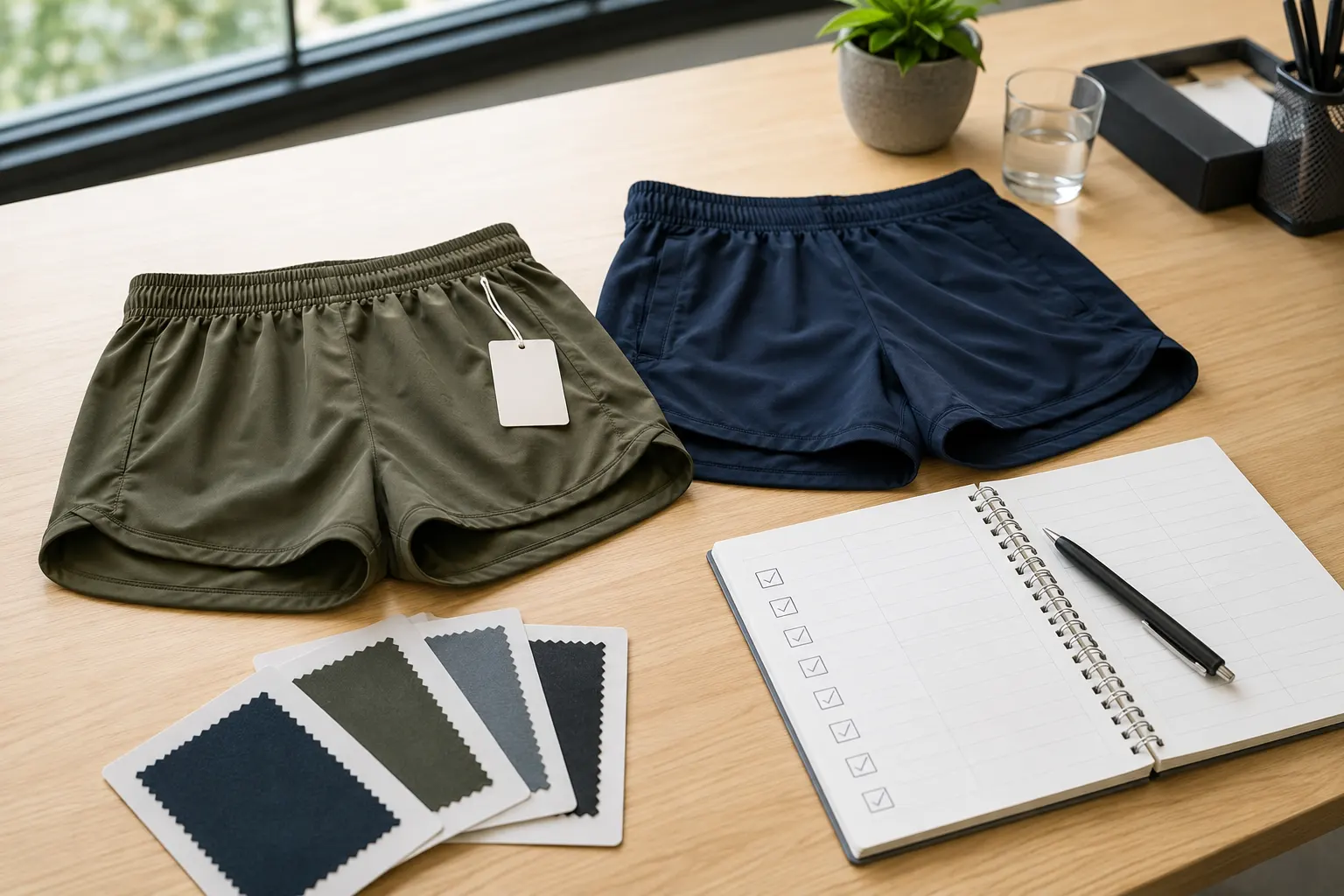
In customer projects, I often see small words create big gaps. A buyer says "above the hem," but the factory needs to know the exact distance. A buyer says "dark navy," but different screens show different colors. A buyer says "regular fit," but one market may see regular as loose, and another market may see it as close to the body. A buyer sends a logo file, but the logo size may not fit the short length. These problems are not about bad intention. They are normal risks in custom apparel communication. The sample gives both sides a shared object. I can mark it. The buyer can measure it. Both sides can revise it.
I separate design preference from production instruction
| Detail | Buyer May Say | I Need to Confirm |
|---|---|---|
| Logo placement | "Put it on the left leg." | I need exact distance from hem and side seam. |
| Color | "Make it charcoal." | I need a clear color reference or approved swatch. |
| Fit | "Make it athletic." | I need target measurements and wearer feedback. |
| "Add a zipper pocket." | I need position, size, zipper type, and use case. | |
| Label | "Use our brand label." | I need label material, fold type, and placement. |
I believe sampling is cheaper than misunderstanding in bulk. A sample revision may feel annoying, but a bulk correction can become very expensive. It can affect shipping time, launch plans, team delivery, and buyer trust. Sampling does not remove every future risk, but it lowers the chance that a basic misunderstanding becomes a full-order problem.
How Can Sampling Help You Judge a New Supplier?
I know a nice sample matters, but I also watch how the supplier communicates before and after the sample. That behavior often shows future risk.
Sampling helps the buyer evaluate the supplier, not only the garment. I use it to show whether the factory understands comments, asks clear questions, revises correctly, and manages details before bulk production.
I see sampling as a supplier test
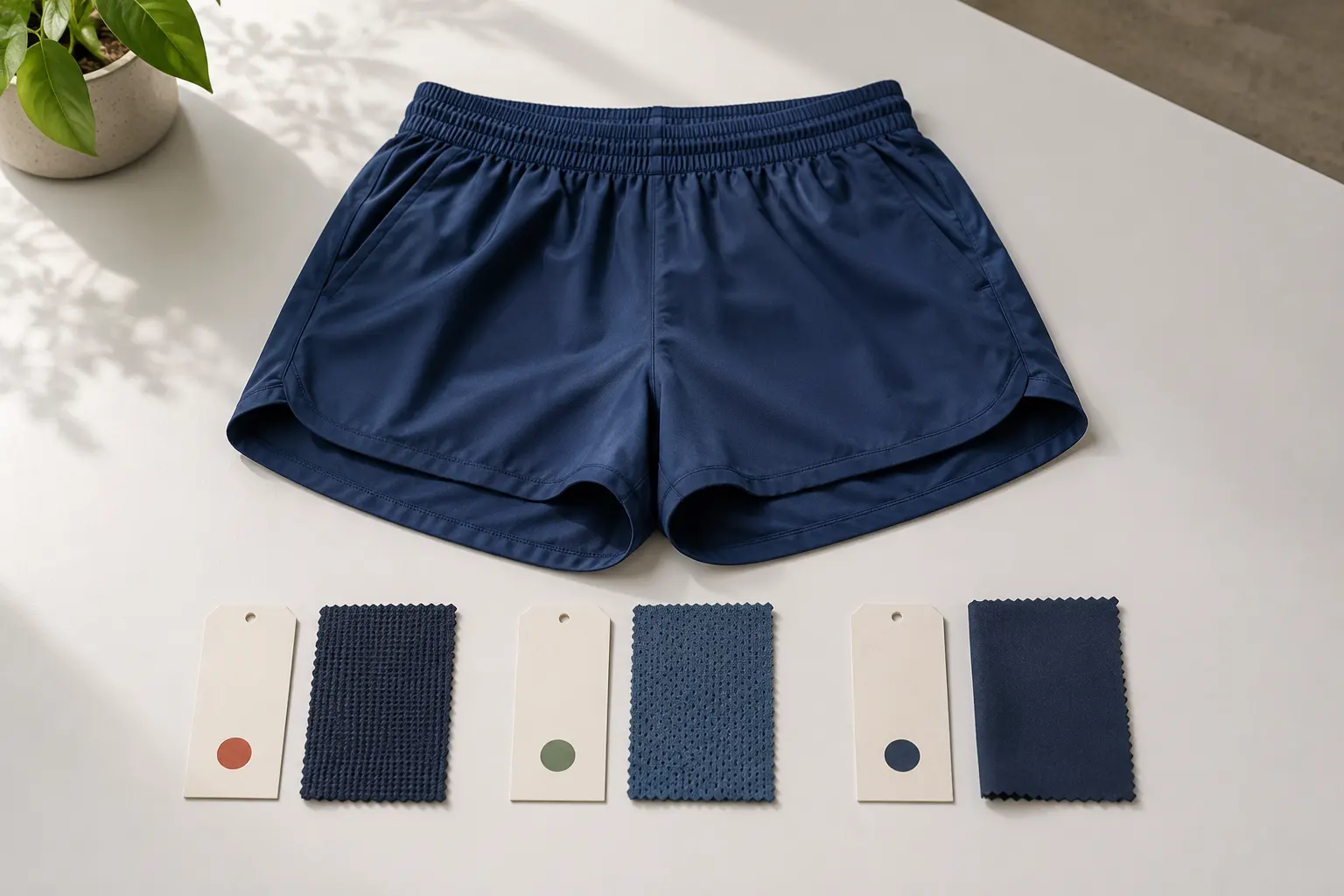
For new brands, teams, wholesalers, and buyers switching suppliers, the first sample is also a communication test. I think this part is easy to ignore. A buyer may focus only on the garment and forget to watch the working process. Did the factory ask useful questions? Did the factory repeat the key details before making the sample? Did the factory explain what can and cannot be done in bulk? Did the factory mark changes clearly after feedback? Did the factory understand which point matters most to the buyer? These answers tell the buyer a lot about future cooperation.
I look at process behavior, not only appearance
| Supplier Behavior | What It Means to Me | Buyer Risk It Reduces |
|---|---|---|
| Clear questions | I see that the supplier is trying to prevent assumptions. | The buyer avoids hidden misunderstandings. |
| Detailed revision notes | I see that the supplier tracks comments. | The buyer avoids repeated mistakes. |
| Honest limits | I see that the supplier knows production reality. | The buyer avoids promises that fail later. |
| Fast but careful reply | I see that the supplier values time and accuracy. | The buyer protects launch timing. |
| Consistent sample record | I see that the supplier can manage details. | The buyer reduces bulk confusion. |
When clients want to skip sampling with a new supplier, I usually ask one question. I ask which bulk-production deviation would cost them the most. Is it size, fabric, color, timing, or cost? The answer helps the buyer decide what must be tested first. If size is the biggest risk, the sample should focus on fit. If color is the biggest risk, the sample should focus on approved reference and material. If timing is the biggest risk, the buyer should also judge communication speed and clarity during sampling.
Why Should Buyers Expect Revisions During Sampling?
I understand why buyers want approval in one round. But I also know one round is not always realistic for custom sports shorts.
Sampling often includes revisions because custom apparel has many linked details. I use revisions to correct fit, material, color, logo, trims, and construction before bulk production becomes harder to change.
I treat revision as normal risk control
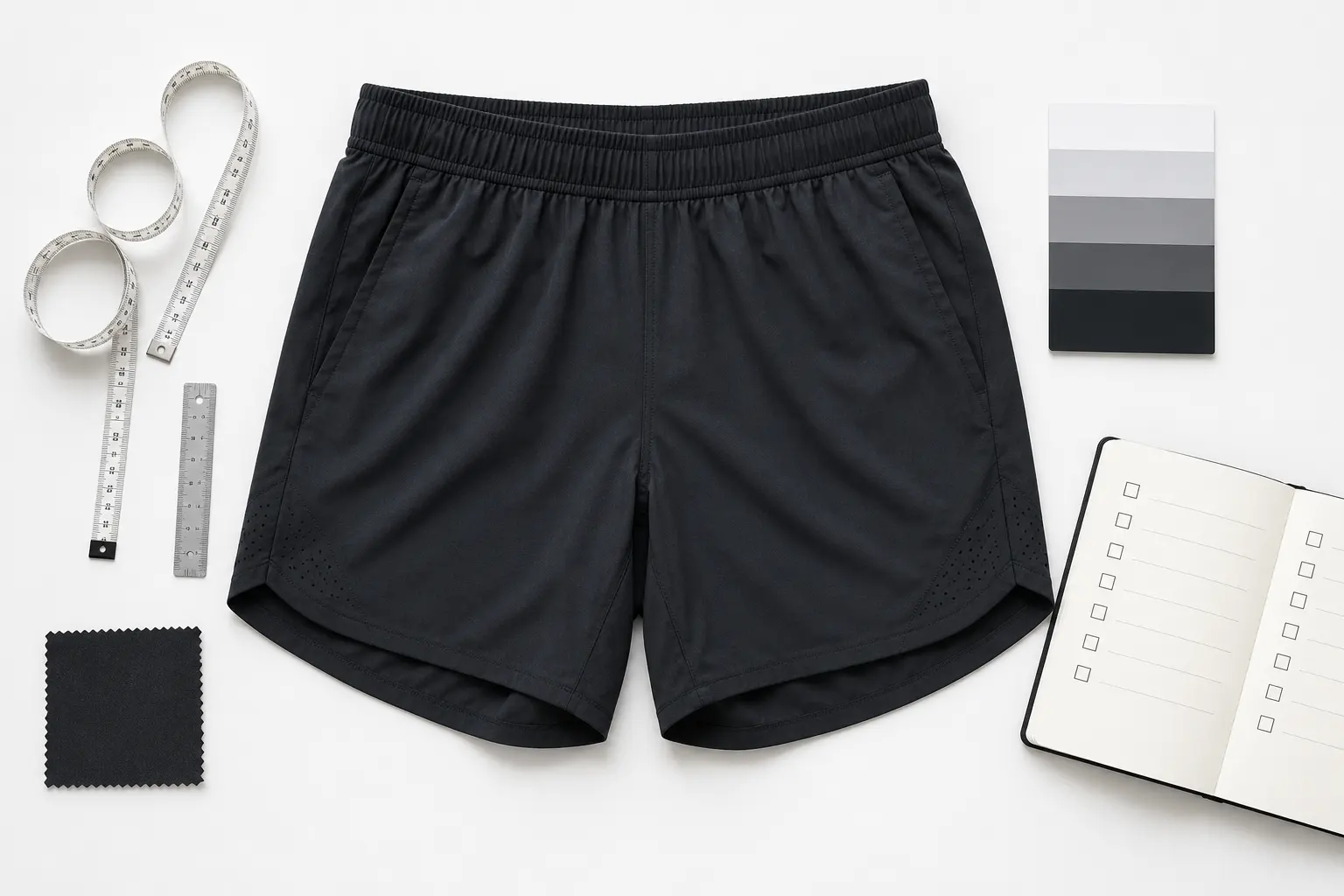
I do not see every revision as a failure. I see many revisions as useful information. A buyer may discover that the intended fabric is too heavy after wearing the sample. A team may decide that the inseam should be longer after players test it. A brand may notice that the logo looks too large on smaller sizes. A wholesaler may find that the pocket placement does not fit the target market. These findings are exactly why sampling exists. The sample gives the buyer a controlled place to change the product before bulk cutting starts.
I help buyers decide what to revise first
| Revision Area | Question I Ask | Why It Matters |
|---|---|---|
| Fit | I ask if the target wearer can move easily. | Fit problems can lead to poor reviews. |
| Fabric | I ask if the weight and stretch match the sport. | Fabric problems affect comfort and function. |
| Logo | I ask if the brand detail looks balanced. | Logo problems affect brand image. |
| Color | I ask if the color matches the intended range. | Color problems affect sell-through and team matching. |
| Construction | I ask if seams, pockets, and waistband feel secure. | Construction problems affect trust in the product. |
I also ask buyers to rank changes. Not every small preference deserves a new sample round. Some details may be acceptable for the first bulk order. Some details must be corrected before any production starts. This ranking helps the buyer control time and cost. Sampling should support the business decision. It should not become endless. At the same time, skipping important revisions can create larger costs later.
How Should Buyers Review a Sports Shorts Sample?
I see better results when buyers review samples with a clear checklist. A casual look can miss the details that hurt bulk orders.
Buyers should review a sports shorts sample by testing fit, movement, fabric feel, logo placement, color, trims, stitching, and use-case performance. I recommend written feedback with photos and measurements.
I suggest a simple review method
When I send or discuss a sample, I prefer a structured review. I ask the buyer to wear it or test it on the target user. I ask the buyer to take photos from the front, side, and back. I ask the buyer to measure key points if the fit feels off. I ask the buyer to compare the logo placement with the design file. I ask the buyer to check the waistband after movement, not only before movement. I ask the buyer to check pockets with a phone or small item if pocket use matters. This method makes feedback easier for both sides.
I keep the review practical
| Review Step | What I Ask the Buyer to Do | What It Helps Confirm |
|---|---|---|
| Wear test | I ask the buyer to move like the target user. | I can understand real comfort and mobility. |
| Measurement check | I ask the buyer to compare key points. | I can separate fit feeling from size error. |
| Photo feedback | I ask the buyer to mark problem areas. | I can reduce unclear comments. |
| Detail check | I ask the buyer to inspect logo, trims, and labels. | I can catch small brand issues early. |
| Priority list | I ask the buyer to rank must-change items. | I can focus revisions on business risk. |
I also remind buyers to think beyond personal taste. The real question is not only whether one person likes the sample. The question is whether the target customer will accept the product. A founder may prefer a slim fit, but a team order may need more comfort across many body types. A distributor may like a bold logo, but a retail buyer may need a cleaner look. Sampling helps the buyer compare personal preference with market use.
Conclusion
I see sampling as risk control, not delay. I use it to protect fit, function, communication, supplier choice, and bulk-order confidence.