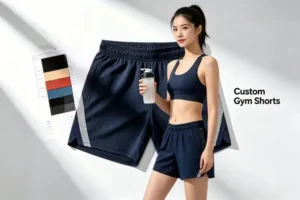
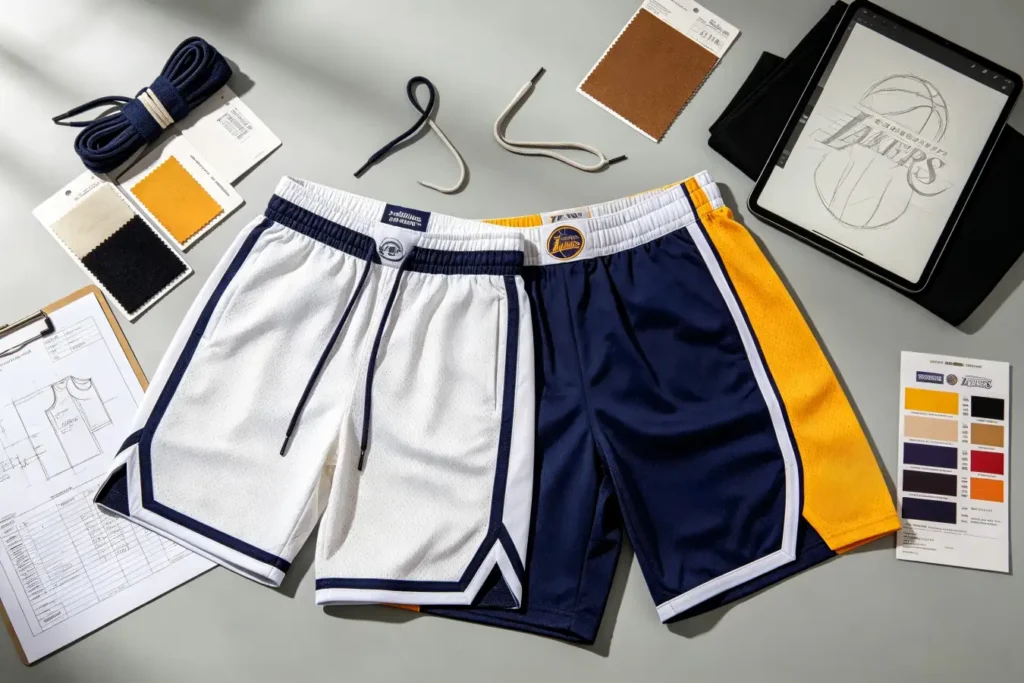
[Custom gym shorts and basketball shorts can look simple on a quotation sheet, but they become risky when buyers treat them as "just shorts with a logo." A low unit price can hide poor fit, wrong fabric, late artwork, or missed delivery windows. I use a clearer sourcing process to match the shorts to the sport, wearer, branding goal, and timeline first.
The best way to choose team custom gym shorts and basketball shorts is to define the sport scenario, size range, fabric feel, fit, logo method, quantity, budget, and delivery date before comparing suppliers. Gym training shorts and basketball game shorts serve different needs, so sampling and pre-production confirmation should be treated as risk control, not delay.
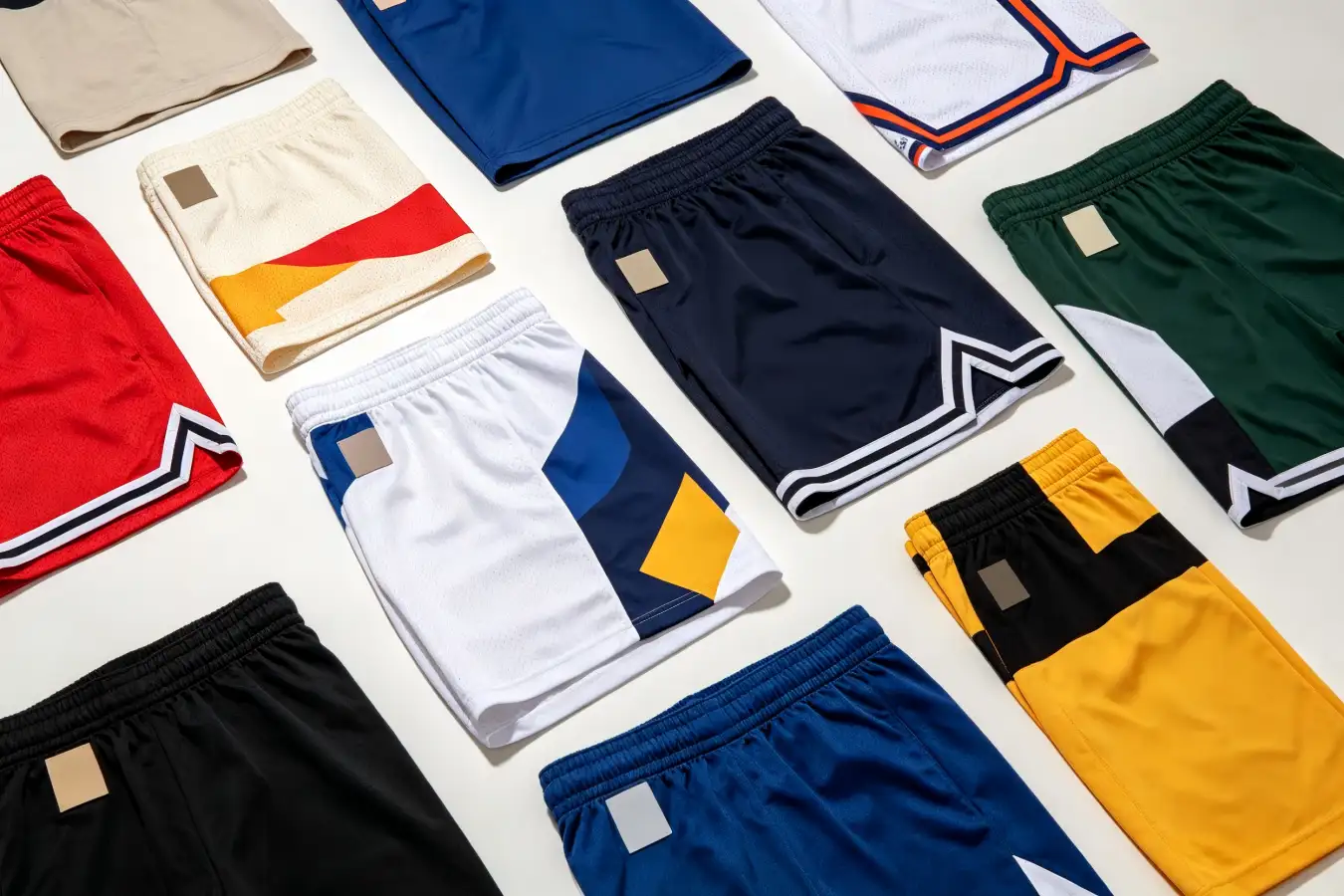
A good custom shorts order starts before the sample is cut. During product development, I have learned that the most successful buyers give clear use cases, not just a logo file. The sections below show how I would break down the decision for clubs, gyms, teams, and sportswear brands.
Why should buyers treat custom gym shorts and basketball shorts as a sourcing decision?
A rushed shorts order often starts with one question: "What is your best price?" That question matters, but it can create problems if it comes before use, fit, fabric, decoration, and timeline. The cheapest sample may become expensive when the bulk order needs revisions.
Custom gym shorts and basketball shorts should be sourced like a product development project. Buyers need to confirm intended use, wearer profile, size range, artwork, fabric, order quantity, budget level, sample approval process, and delivery date before making a supplier comparison.
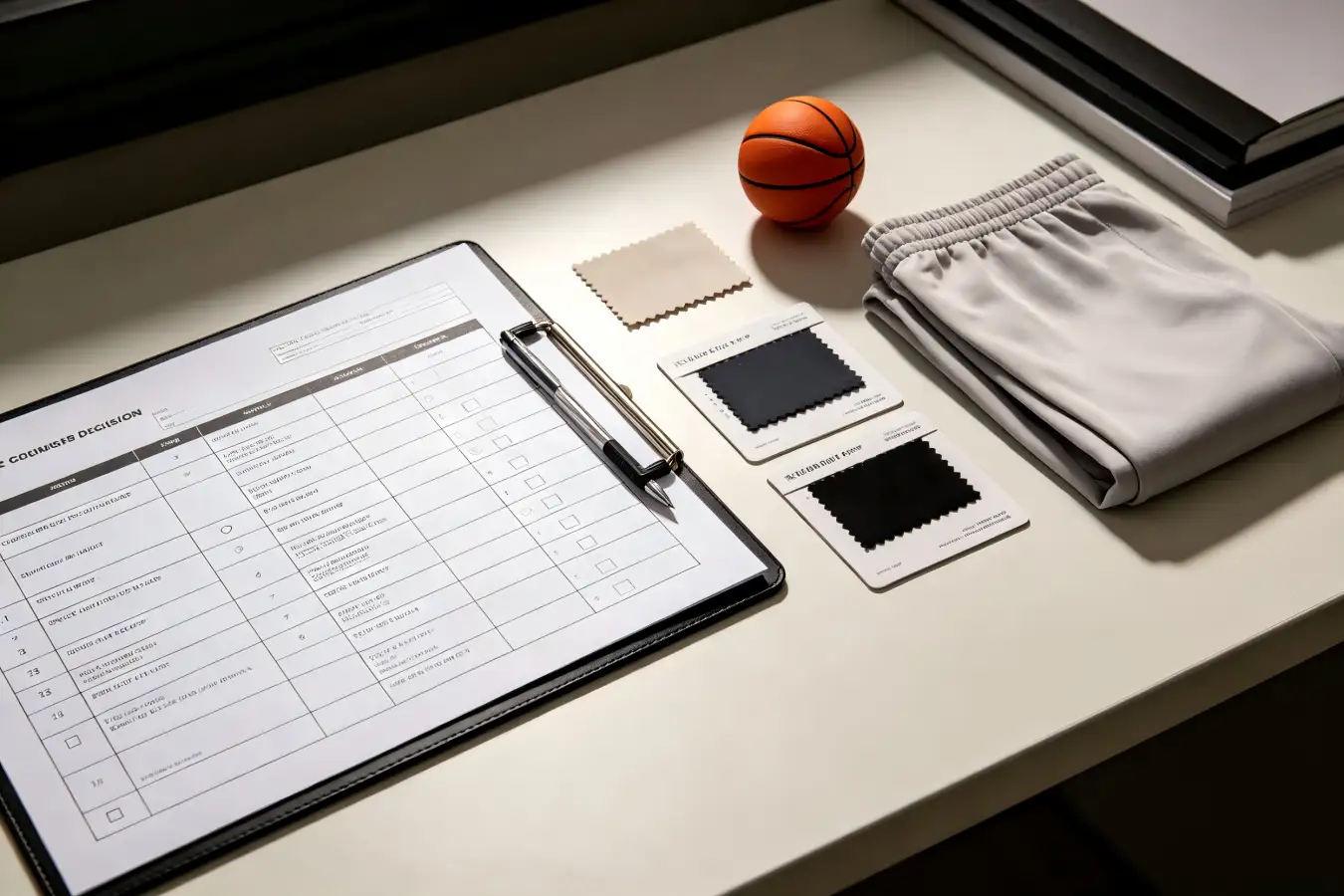
Price is only one part of the buying decision
In many buyer inquiries, the first message includes a logo and a target price. Sometimes that is enough for a rough direction, but it is not enough for a reliable custom order. A gym chain may need training shorts for coaches and members. A basketball club may need uniforms for matches. A sportswear brand may need a retail-ready product with a specific hand feel and packaging expectation.
Those are three very different projects.
Before I quote seriously, I prefer to understand the real buying situation:
- Who will wear the shorts? Adult athletes, youth teams, gym members, retail customers, or event participants.
- Where will they be used? Weight training, running, basketball games, boxing training, club events, or lifestyle wear.
- What level of branding is required? Simple logo print, full sublimation, woven label, heat transfer, embroidery, or private label trims.
- What size range is needed? Men's, women's, youth, plus sizes, or mixed club sizing.
- What delivery date is fixed? Tournament date, launch date, team season, gym opening, or brand drop.
A simple decision framework
| Decision point | Why it matters | Common buyer risk |
|---|---|---|
| Sport scenario | Defines length, fit, stretch, and breathability | Shorts feel wrong for the activity |
| Wearer group | Affects size chart and pattern | Too tight, too long, or poor size coverage |
| Artwork method | Changes cost, lead time, and fabric choice | Logo cracks, colors shift, or placement is off |
| Quantity | Affects production method and pricing | Buyer compares quotes that are not equal |
| Delivery date | Controls sample and bulk schedule | Late approval creates shipping pressure |
For B2B orders, I do not recommend comparing only unit price. A quotation is more useful when it answers what product you are buying, what is included, and what risks are controlled.
If your project is still at the early stage, our OEM/ODM customization service explains how custom sports shorts can move from idea to sample and bulk production.
How are custom gym shorts and basketball shorts different in real use?
One common mistake is treating gym shorts and basketball shorts as interchangeable products. They may both be athletic shorts, but athletes use them differently. A short that works well for squats, HIIT, or treadmill training may not suit basketball movement, team uniforms, or game-day styling.
Custom gym shorts and basketball shorts differ in length, fit, fabric structure, pocket design, waistband, lining, stretch, decoration method, and visual style. Gym shorts usually prioritize flexible training comfort, while basketball shorts often need more court-friendly length, loose movement, and strong team identity.
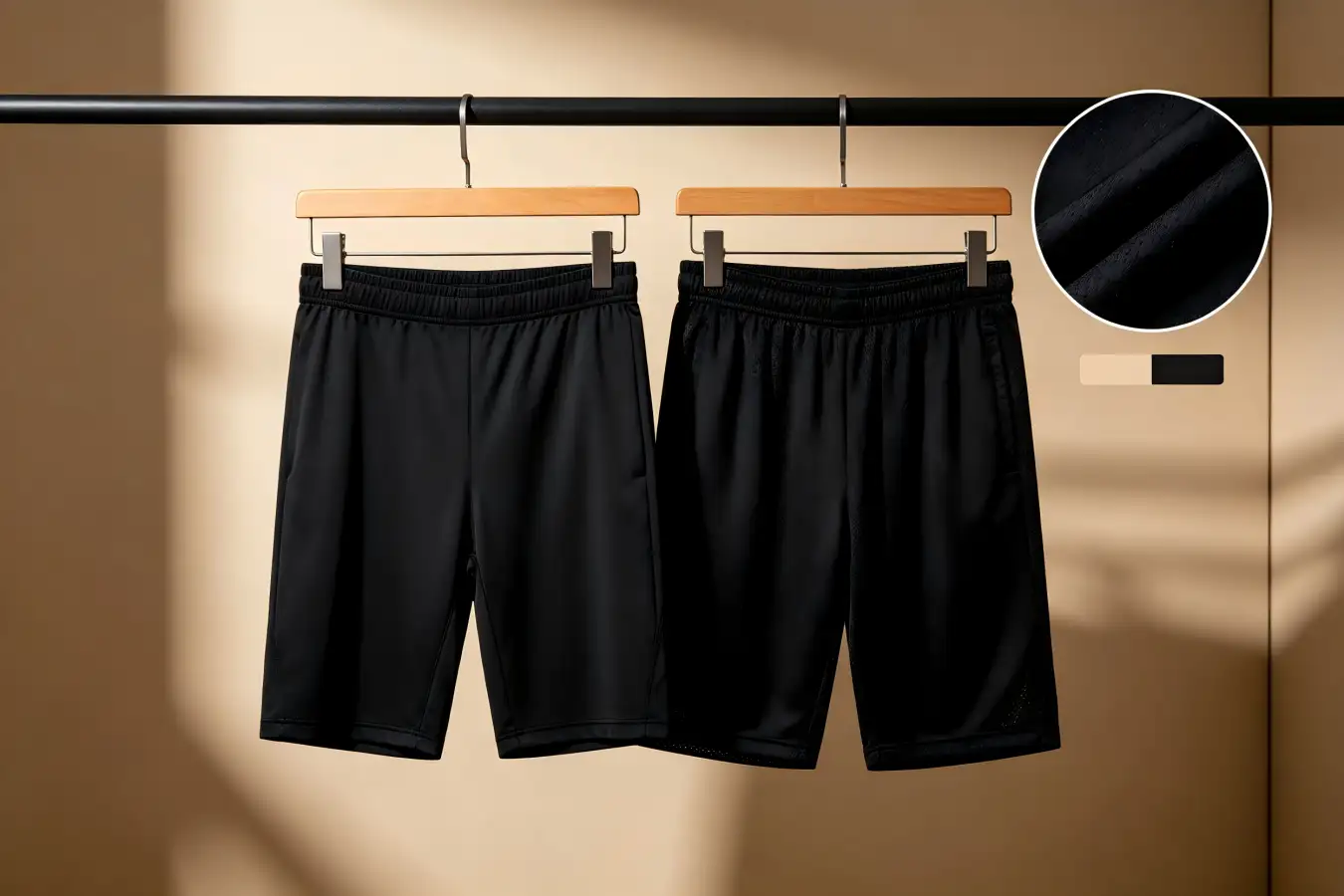
Gym shorts are built around training movement
During sample approval, gym shorts usually raise questions about stretch, waistband comfort, pocket function, and fabric hand feel. Many gym and fitness buyers want shorts that work across different exercises. A wearer may squat, run, stretch, lift, and sit between sets in the same pair of shorts.
For that reason, custom gym shorts often focus on:
- Shorter or mid-length inseams
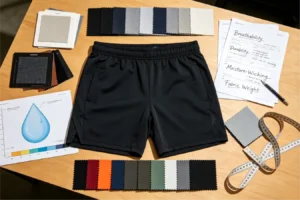
- Lightweight woven or knit fabrics
- Four-way stretch or mechanical stretch
- Zipper pockets or hidden phone pockets
- Elastic waistband with drawcord
- Optional inner liner
- Simple logo placement
- Breathable construction
A gym brand may also care about lifestyle appeal. The same shorts may be worn outside the gym, so fabric texture and fit shape matter.
Basketball shorts are built around team identity and court movement
Basketball shorts usually have a different visual language. They are often longer, looser, and more team-oriented. Clubs may want numbers, side panels, contrast colors, or matching jerseys. The shorts need to support running, jumping, cutting, and defensive movement without looking like running shorts.
For basketball shorts, buyers often discuss:
- Longer length
- Relaxed fit
- Room through the thigh
- Breathable mesh or performance knit
- Sublimated team graphics
- Contrast side panels
- No-pocket or pocket options depending on use
- Matching color standards with jerseys
Practical comparison for buyers
| Feature | Custom gym shorts | Custom basketball shorts |
|---|---|---|
| Main use | Training, fitness, gym retail, coaching | Games, club uniforms, practice, teamwear |
| Typical fit | Athletic, tapered, or regular | Relaxed, roomy, longer |
| Length direction | Short to mid-length | Mid to long |
| Fabric focus | Stretch, light weight, comfort | Breathability, movement, visual identity |
| Pockets | Often requested | Depends on game or leisure use |
| Lining | Common for running or gym styles | Less common for classic team shorts |
| Branding | Logo, label, small print | Team graphics, numbers, panels |
| Buyer risk | Too tight or too casual | Too heavy, too long, or poor color match |
A fitness club once sends a reference basketball short for a gym staff uniform. The look was strong, but the fabric and length did not match daily coaching work. After discussing movement and wearer comfort, a training-short pattern became the better direction. That kind of adjustment saves time before sampling.
What customization details should clubs confirm before ordering custom gym shorts and basketball shorts?
Logo placement seems like a small detail until the sample arrives with the mark too large, too low, or too close to a seam. Color and artwork decisions can also delay production when buyers approve the fabric but not the final decoration file.
Clubs should confirm artwork files, logo size, print position, decoration method, fabric color, waistband style, pocket choice, size chart, label details, packaging needs, and deadline before ordering custom gym shorts and basketball shorts. These details reduce sample revisions and make bulk production easier to control.
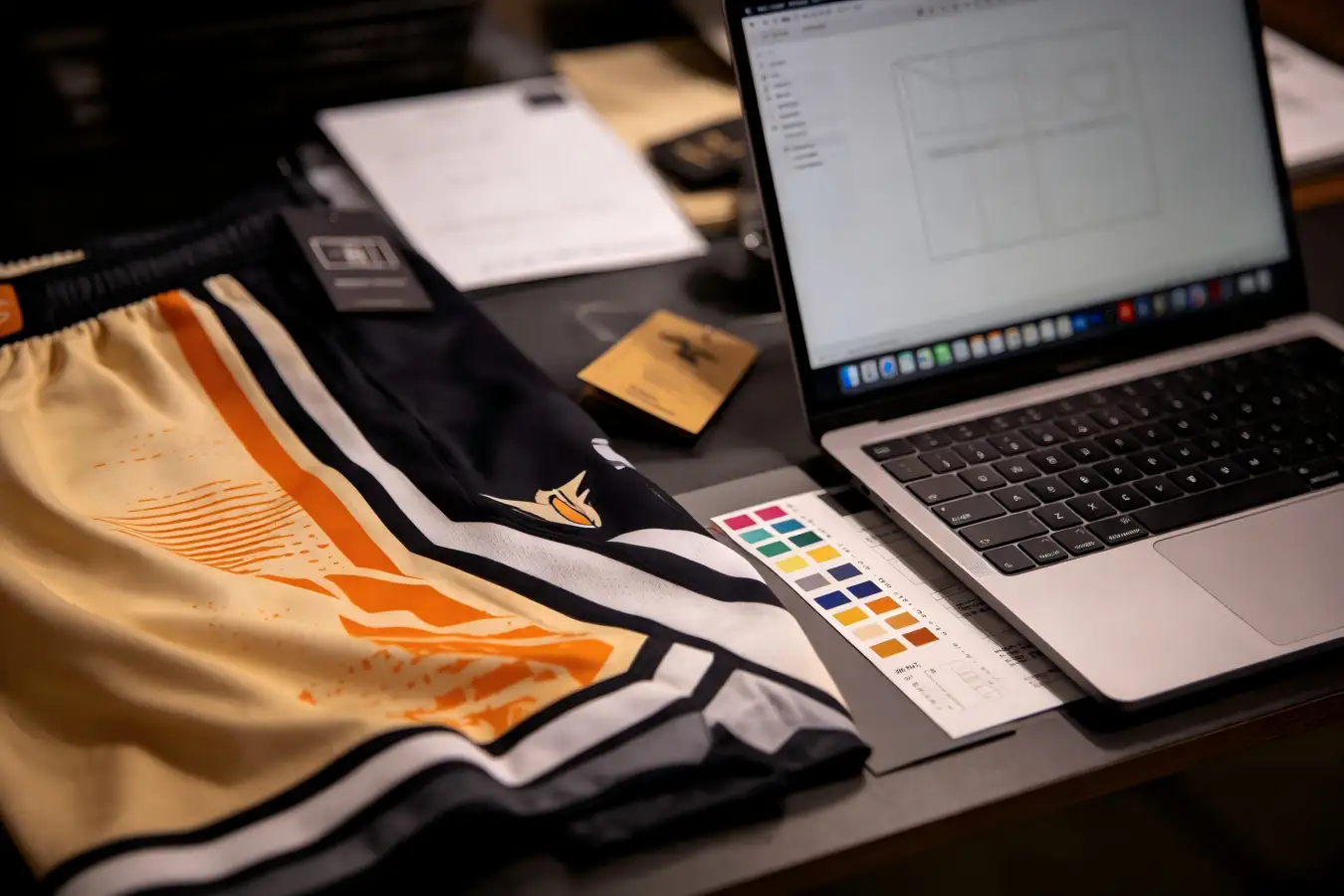
Artwork is not just a logo file
For custom sports shorts, artwork needs technical clarity. A supplier cannot always create an accurate result from a small PNG image pulled from a website. Vector files are better for sharp logo work. Color references are also important because screen color can look different from fabric color.
Before sampling, I prefer buyers to confirm:
-
Logo file format
AI, EPS, PDF, or high-resolution files are safer than low-resolution images. -
Logo size
The same logo can look different on size S and size XXL. -
Logo placement
Left leg, right leg, side panel, waistband, back pocket, or full-print layout. -
Decoration method
Heat transfer, screen print, sublimation, embroidery, woven label, or rubber patch. -
Color reference
Pantone reference is helpful, but fabric and print method can still affect final appearance.
Decoration methods affect cost and durability
Not every decoration method fits every short. Sublimation can be strong for basketball team graphics, especially when the design covers the full garment. Heat transfer can work well for clean logos on training shorts. Embroidery can create a premium feel, but it may not suit thin lightweight fabric or large artwork.
| Decoration method | Common use | Practical note |
|---|---|---|
| Heat transfer | Gym logos, clean brand marks | Good for simple designs, but placement must be controlled |
| Sublimation | Basketball team graphics, all-over prints | Best on suitable polyester fabrics |
| Screen print | Larger simple graphics | Better for certain quantities and designs |
| Embroidery | Premium logo detail | May add weight or stiffness on light fabrics |
| Woven label | Brand identity | Useful for retail and private label orders |
Size charts need real attention
Size problems are one issue I frequently encounter in custom shorts discussions. Some buyers use a domestic retail size chart. Others send only "S to XXL" without measurements. That can work poorly because factory patterns, regional fit expectations, and sport use differ.
A useful size chart should include:
- Waist relaxed
- Waist stretched
- Hip
- Outseam
- Inseam
- Leg opening
- Front rise
- Back rise, when needed
For clubs and teams, it is safer to collect wearer size needs before bulk production. For sportswear brands, fit consistency matters for repeat production, so the first size chart should be treated as a long-term asset.
If you already know you need training-focused shorts, this page on custom gym and running shorts manufacturing may help you compare product directions before preparing your tech pack.
How does sampling reduce risk for team custom gym shorts and basketball shorts?
Some buyers worry that sampling slows the project. I understand that concern, especially when a tournament, gym opening, or brand launch is close. However, skipping sample confirmation can create bigger delays if bulk goods arrive with wrong fit, wrong artwork, or wrong fabric feel.
Sampling reduces risk in team custom gym shorts and basketball shorts by allowing buyers to check fit, fabric, logo placement, color direction, waistband comfort, pocket function, and size chart before bulk production. A sample is not a delay; it is a checkpoint before committing to quantity.
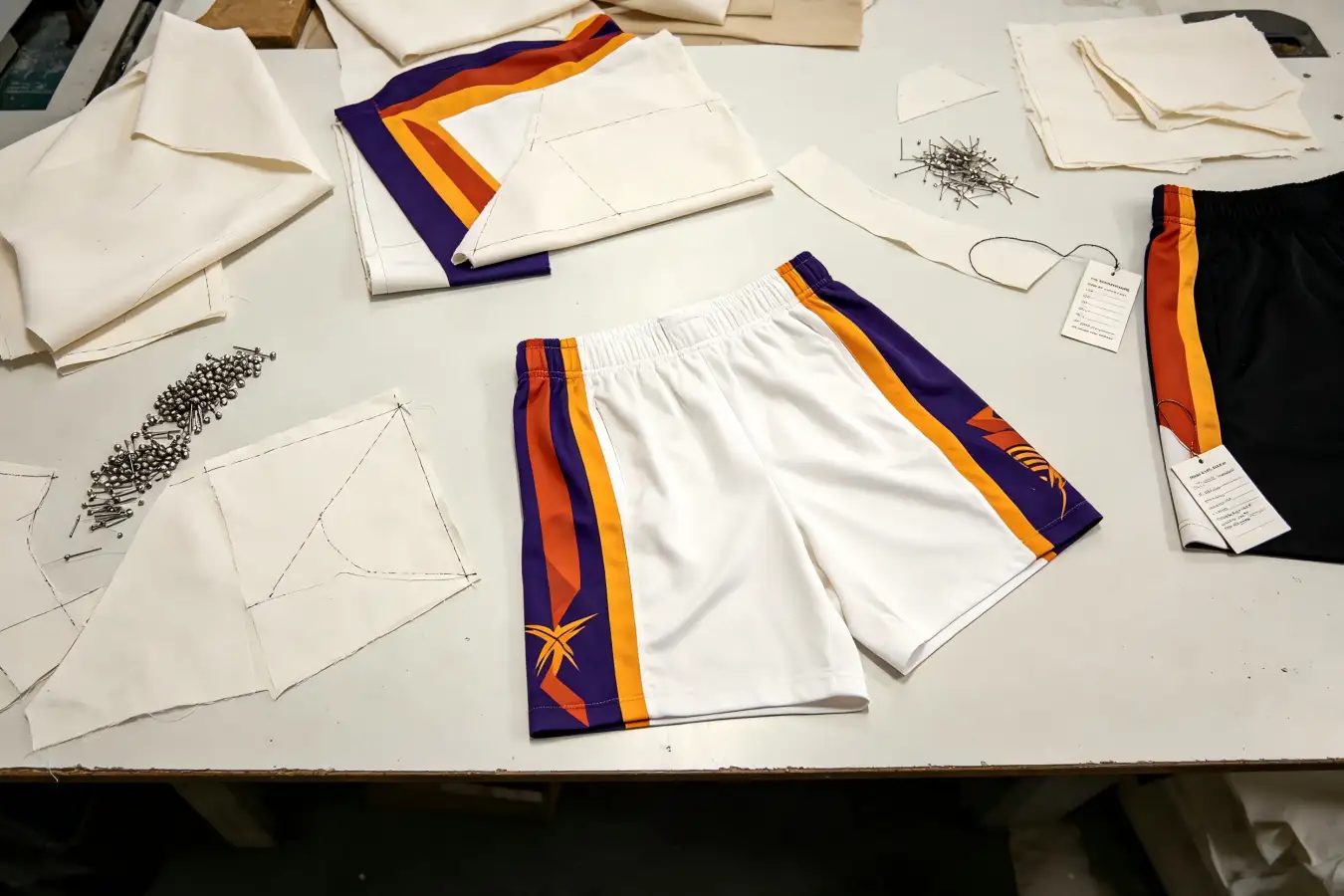
What a good sample should confirm
A sample should answer practical questions, not just show a logo. During sample approval, I like buyers to check the garment as if the final wearer will use it tomorrow.
Key checks include:
- Does the fabric feel right for the sport?
- Does the length match the intended style?
- Does the waistband stay comfortable during movement?
- Do pockets work as expected?
- Does the logo sit in the right position?
- Does the print method match the design goal?
- Does the size chart need adjustment?
- Does the color direction meet expectations?
For basketball shorts, the buyer should also check how the side panels, graphics, and team colors look when worn. For gym shorts, the buyer should test squat movement, pocket access, waistband pressure, and liner comfort if there is an inner brief.
Realistic timeline planning
I prefer to discuss timeline early because approval speed affects everything. Our usual sample timeline is:
| Stage | Typical time |
|---|---|
| Sample production after everything is approved | 8–10 working days |
| Express sample shipping | 5–7 days |
| Bulk production | 25–30 working days |
| Express bulk shipping by FedEx/DHL | 5–7 days |
| Air freight | 10–15 days |
These timelines depend on confirmed details. If artwork, fabric, or size chart remains open, the clock has not really started. This is why late artwork approval often creates schedule pressure.
Pre-production confirmation protects both sides
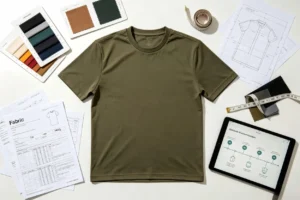
Before mass production, the buyer and supplier should align on a pre-production sample or final approved sample. This becomes the reference for bulk goods. It helps avoid arguments based on memory, screenshots, or unclear messages.
For club and brand orders, it is safer to confirm:
- Final fabric
- Final color
- Final size chart
- Final artwork placement
- Final label and packaging
- Final quantity by size
- Final delivery plan
A clear production path also helps the factory manage cutting, printing, sewing, trimming, quality checking, packing, and shipment coordination. You can review our general sports shorts production process to understand how these steps connect.
What should buyers send before requesting a quote for custom gym shorts and basketball shorts?
A vague quote request often leads to a vague quote. If a buyer sends only "I need custom shorts, how much?" the supplier must guess fabric, fit, quantity, artwork, and shipping method. Those guesses can make supplier comparisons unfair.
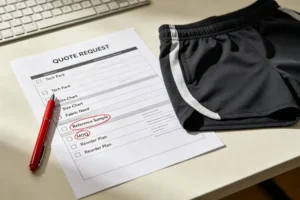
Buyers should send use case, reference photos, fabric preference, size range, quantity, logo files, decoration method, packaging needs, target budget, country of delivery, and required date before requesting a quote for custom gym shorts and basketball shorts. Better information creates better pricing and fewer surprises.
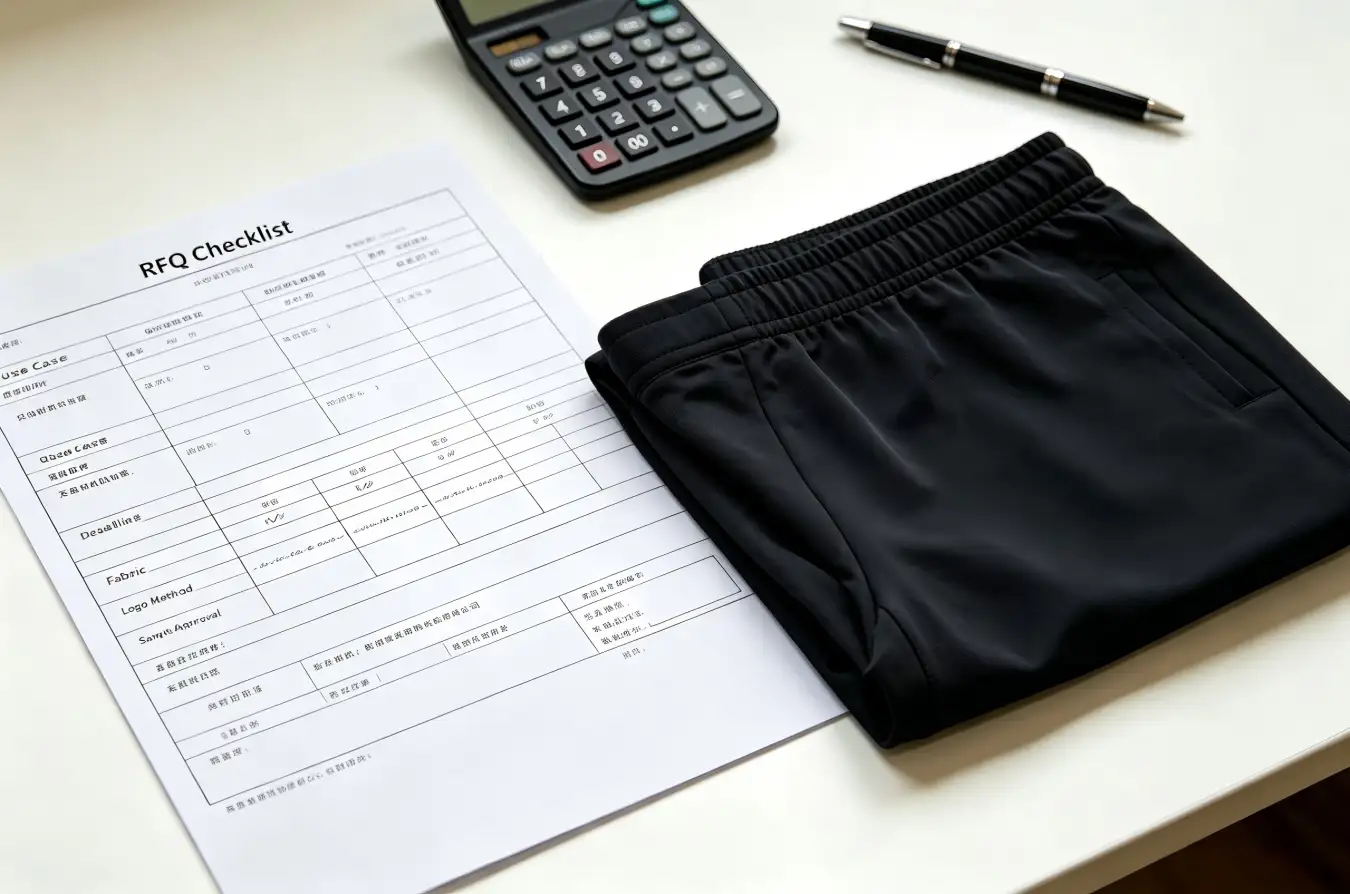
A practical RFQ checklist
A strong request for quotation does not need to be complicated. It just needs enough detail for the supplier to understand the project.
Here is the checklist I recommend:
- Product type: gym shorts, running shorts, basketball shorts, boxing shorts, or training shorts
- Use case: team game, gym retail, club uniform, event, practice wear, or brand collection
- Reference photo: shape, length, waistband, pocket, liner, or panel design
- Fabric direction: lightweight, stretch, mesh, knit, woven, lined, or unlined
- Quantity: total quantity and estimated size breakdown
- Size range: adult, youth, men's, women's, mixed sizing
- Logo/artwork: vector files if available
- Branding method: print, sublimation, embroidery, label, patch, or undecided
- Packaging: bulk pack, individual polybag, barcode, hangtag, or retail packaging
- Deadline: required in-hand date, not only production finish date
- Delivery country: needed for shipping method discussion
- Budget range: useful if realistic and tied to product expectations
Supplier comparison should be based on the same product
A common mistake is comparing three quotes without checking if the quotes are for the same fabric, same weight, same decoration, same packaging, and same shipping assumption. One quote may include sublimation. Another may include only a small logo print. One may use a lighter fabric. Another may include private label packing.
That comparison does not help the buyer make a safe decision.
A better supplier comparison looks like this:
| Comparison item | Supplier A | Supplier B | Supplier C |
|---|---|---|---|
| Fabric confirmed? | Yes / No | Yes / No | Yes / No |
| Pattern similar to reference? | Yes / No | Yes / No | Yes / No |
| Decoration method included? | Yes / No | Yes / No | Yes / No |
| Sample timeline stated? | Yes / No | Yes / No | Yes / No |
| Bulk timeline stated? | Yes / No | Yes / No | Yes / No |
| Packaging included? | Yes / No | Yes / No | Yes / No |
| Shipping method included? | Yes / No | Yes / No | Yes / No |
A short message template buyers can use
If you want a faster and clearer reply from a factory, you can send a message like this:
We are sourcing custom shorts for a gym/team/brand project. The use case is __. We need approximately __ pieces across sizes __. Our preferred style is similar to the attached photo. We want logo/artwork at __. Our required delivery date is __ in __ country. Please advise suitable fabric, sample cost, production timeline, and bulk price direction.
This message gives enough direction without needing a perfect tech pack. If you already have a tech pack, that is even better.
When your details are ready, you can contact us to discuss your custom shorts project and send reference photos, artwork, or size chart notes.
Frequently Asked Questions
Are gym shorts and basketball shorts the same for custom team orders?
No. Gym shorts usually focus on training comfort, stretch, pockets, and versatile movement. Basketball shorts usually need a looser fit, longer length, breathable fabric, and stronger team identity. The best option depends on how the wearer will use the shorts.
How long does it take to sample custom gym shorts and basketball shorts?
Once all details are approved, sample production usually takes 8–10 working days. Express sample shipping usually takes 5–7 days. Artwork, fabric choice, and size chart confirmation should be completed before counting the sample production time.
What files should I send for custom logo shorts?
Vector files such as AI, EPS, or editable PDF are best. High-resolution artwork can also help. Buyers should also confirm logo size, placement, color reference, and decoration method because the same logo can look different across fabric types and shorts sizes.
Should I order samples before bulk production?
Yes, especially for club, team, and brand orders. A sample lets you confirm fabric feel, fit, length, waistband, logo placement, and color direction before bulk production. Sampling reduces risk and helps both buyer and factory work from the same approved reference.
Can one short style work for both gym training and basketball?
Sometimes it can work for practice or casual use, but it is not always ideal. Gym training often needs stretch and compact movement. Basketball usually needs a roomier fit and court style. Buyers should confirm the main use before selecting one shared design.
Conclusion
Custom gym shorts and basketball shorts should be planned around use, fit, fabric, artwork, size range, and timeline before buyers compare unit prices. Gym training shorts and basketball team shorts solve different problems, so a clear brief and approved sample can prevent costly surprises. If you are preparing a club, gym, team, or sportswear brand order, send your reference photos, logo files, size needs, and delivery target. I can review the details and help you request a sample or quote for the right custom shorts project.