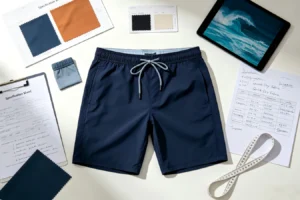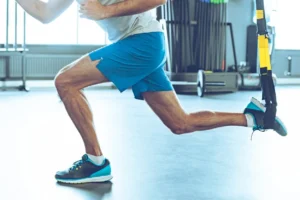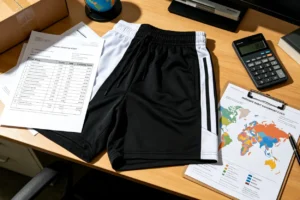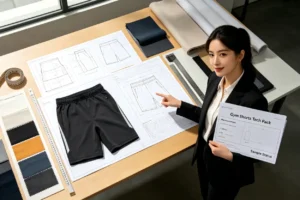
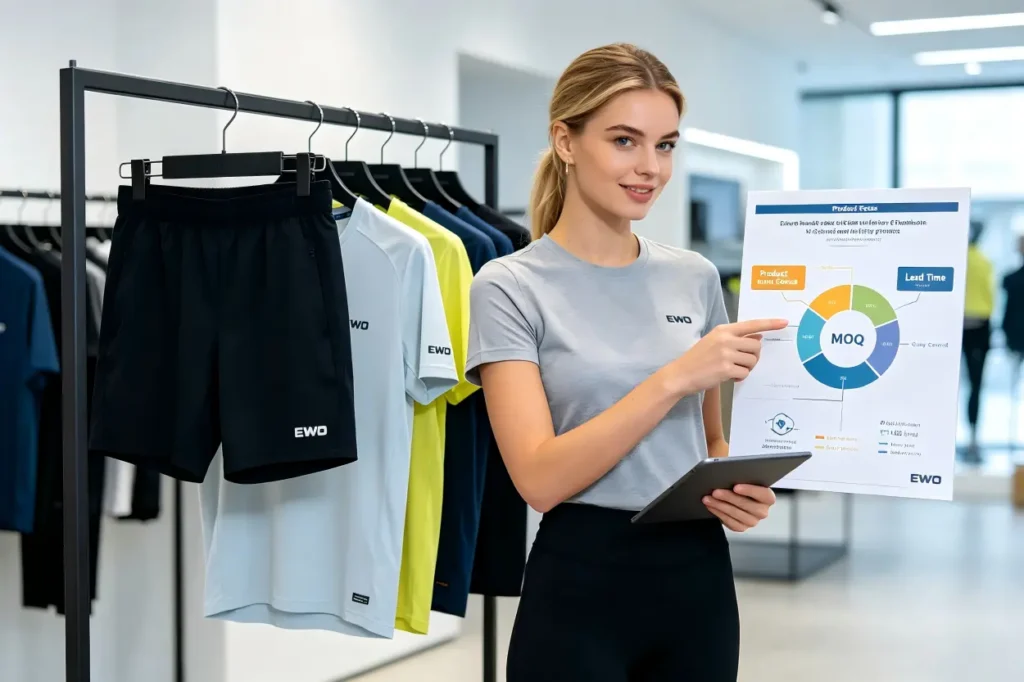
Many buyers search for gym and activewear manufacturers before clarifying which products they actually need. That mismatch causes delays and surprises. The frustration grows when quotes vary wildly. The fix is simple: define your product focus, target volume, and customization before you shortlist. Then choose a supplier type that matches your stage and risk tolerance.
There isn’t a single “top” factory; the best gym and activewear manufacturers match your product category, brand stage, MOQ expectations, and development needs. Start by narrowing your scope (shorts, T-shirts, leggings, etc.), prepare a clear brief (tech pack or reference sample), and then evaluate specialized versus full-line factories based on quality control, lead times, and fit with your order size.
You’ll see below how different supplier types fit different buyers, where low MOQs and low unit prices can mislead, and what to prepare before you inquire. I include checklists and practical steps we use when helping overseas brands move from inquiry to approved samples and repeat production.
Which type of gym and activewear manufacturers fit your product focus?
Buyers often ask for a “top factory” without anchoring on a product category. That slows everything. The wrong factory for your category leads to poor samples and long revisions. Start with your core product, then your timeline and MOQ. Match those to the right supplier type.
Match your core product to supplier specialization. If you need shorts or high-performance T-shirts, a focused OEM/ODM will usually beat a generalist on fit, waistband, liners, pocket engineering, and QC. If you need a full activewear line, consider larger multi-category factories, but expect higher MOQs and longer development.
A practical way to segment supplier types
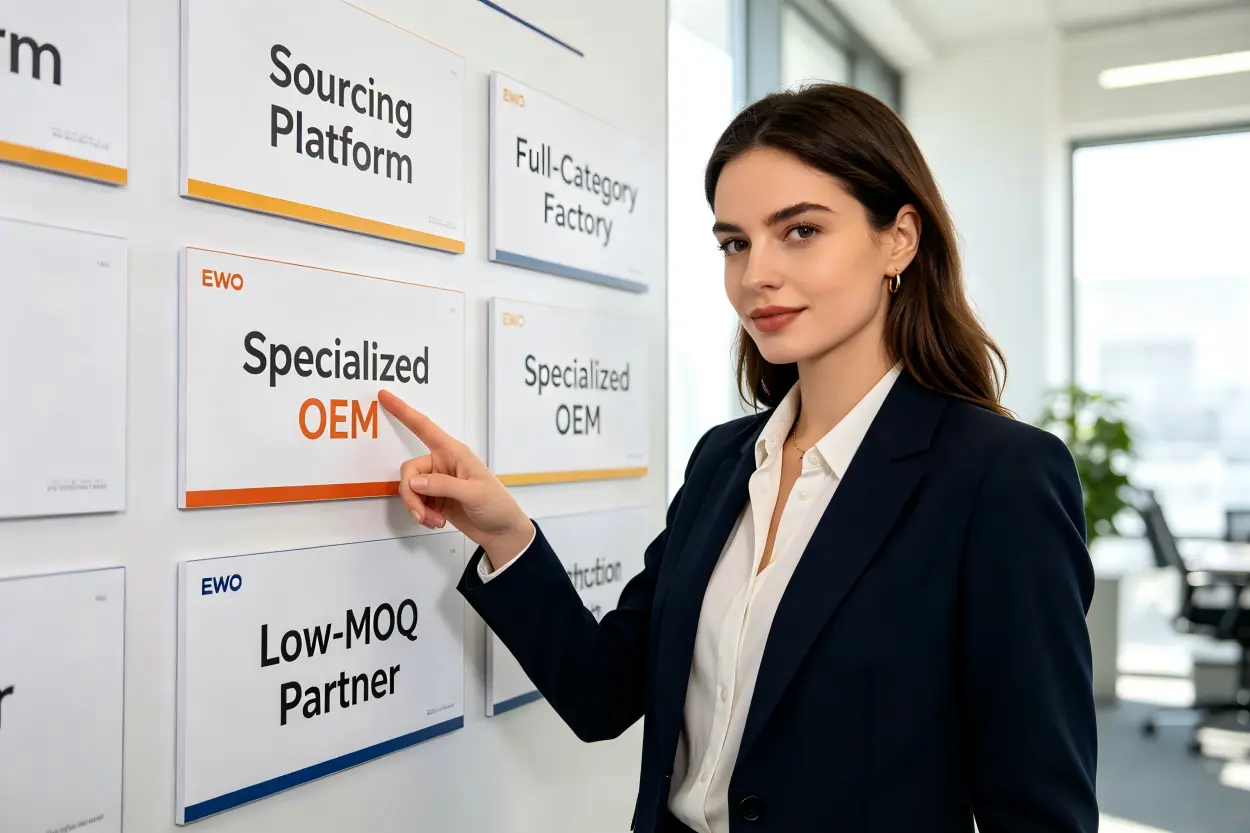
In our daily conversations with startups and small-to-mid-size brands, I see five patterns:
- Sourcing platforms: Useful for broad discovery, but quality and communication vary.
- Full-category factories: Better for brands launching many categories at once. MOQs often higher.
- Specialized OEMs (shorts, performance tees): Strong for focused lines where fit and function matter.
- Low-to-medium MOQ development partners: Good for early-stage brands needing iterations.
- Bulk production suppliers: Best when designs are stable and volumes repeat.
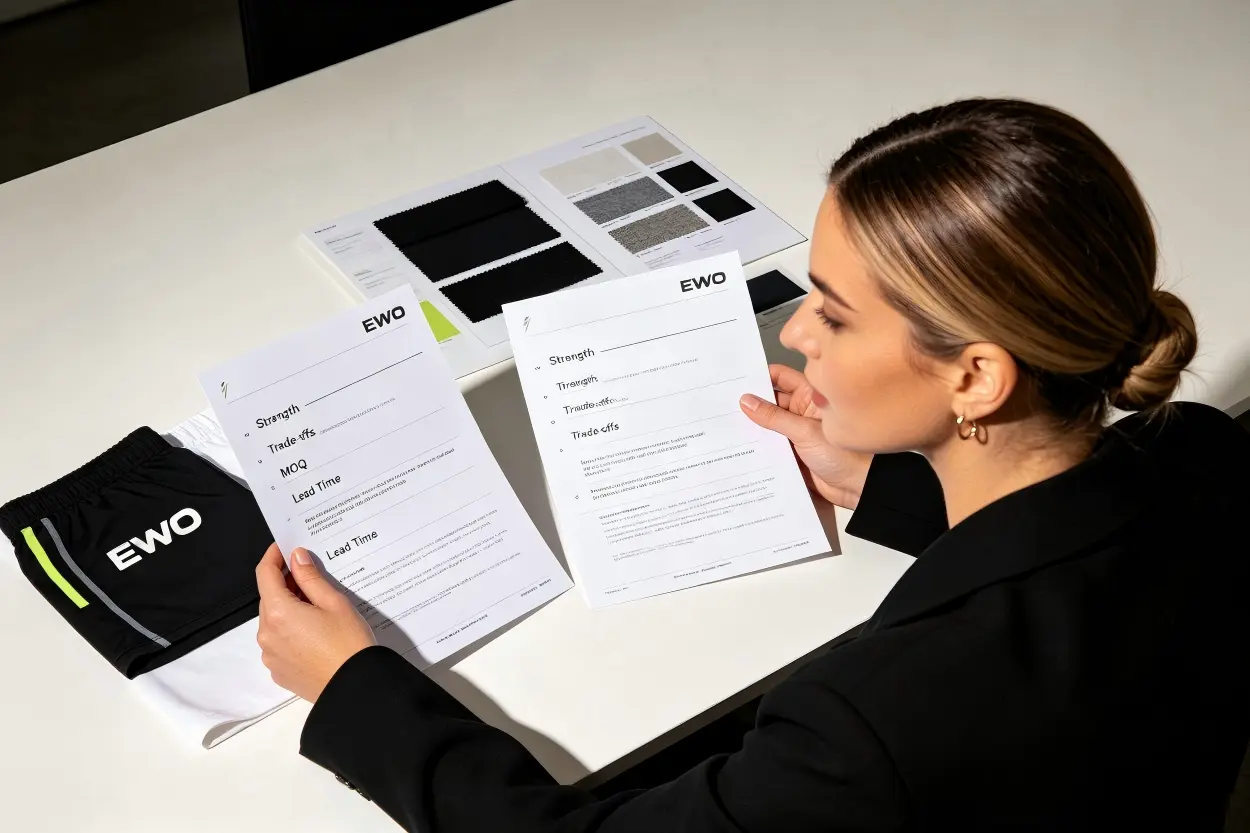
Here’s a compressed comparison to help you shortlist:
| Supplier Type | Best For | Typical Strengths | Common Trade-offs |
|---|---|---|---|
| Sourcing platform vendors | Market scans, price benchmarks | Variety, speed to first contact | Inconsistent QC, variable communication |
| Full-category factories | Multi-product launches | Capacity, integrated lines | Higher MOQs, slower development cycles |
| Specialized shorts/T-shirt OEMs | Focused product lines | Fit, waistband/pocket engineering, performance fabrics | Narrower product breadth |
| Low-to-medium MOQ partners | Startups, first runs | Development support, flexible MOQs | Higher unit cost, longer sampling |
| Bulk production suppliers | Established styles, repeats | Cost efficiency, throughput | Less flexible on changes |
In sampling discussions, we often see brands ask for leggings, bras, shorts, and tees from one factory. The project then stalls because fabric and construction knowledge differs category by category. For athletic shorts and performance T-shirts, variables like liners, waistbands, zipper types, and moisture-wicking fabrics decide comfort and durability. A specialized partner tends to get these right earlier, which reduces revisions and speeds approval.
If you plan a multi-category roadmap, consider splitting the first season across two suppliers: one for shorts/tees and one for leggings/bra sets. You reduce risk and learn who delivers on time and to spec. Then you consolidate based on data, not assumptions.
How should startup brands scope requirements before contacting gym and activewear manufacturers?
Unclear briefs cause false starts. Factories default to generic fabrics and fits when instructions are thin. That leads to samples that do not match your brand’s vision. A lean but clear scope allows accurate quotes and faster sampling.
Prepare a concise brief with product category, size range, fabric expectation, fit notes, trims and branding needs, and target MOQ. Include a tech pack or a reference sample. Define priorities (fit vs. price vs. speed) and share your timeline. Factories respond faster and price more accurately when the basics are set.
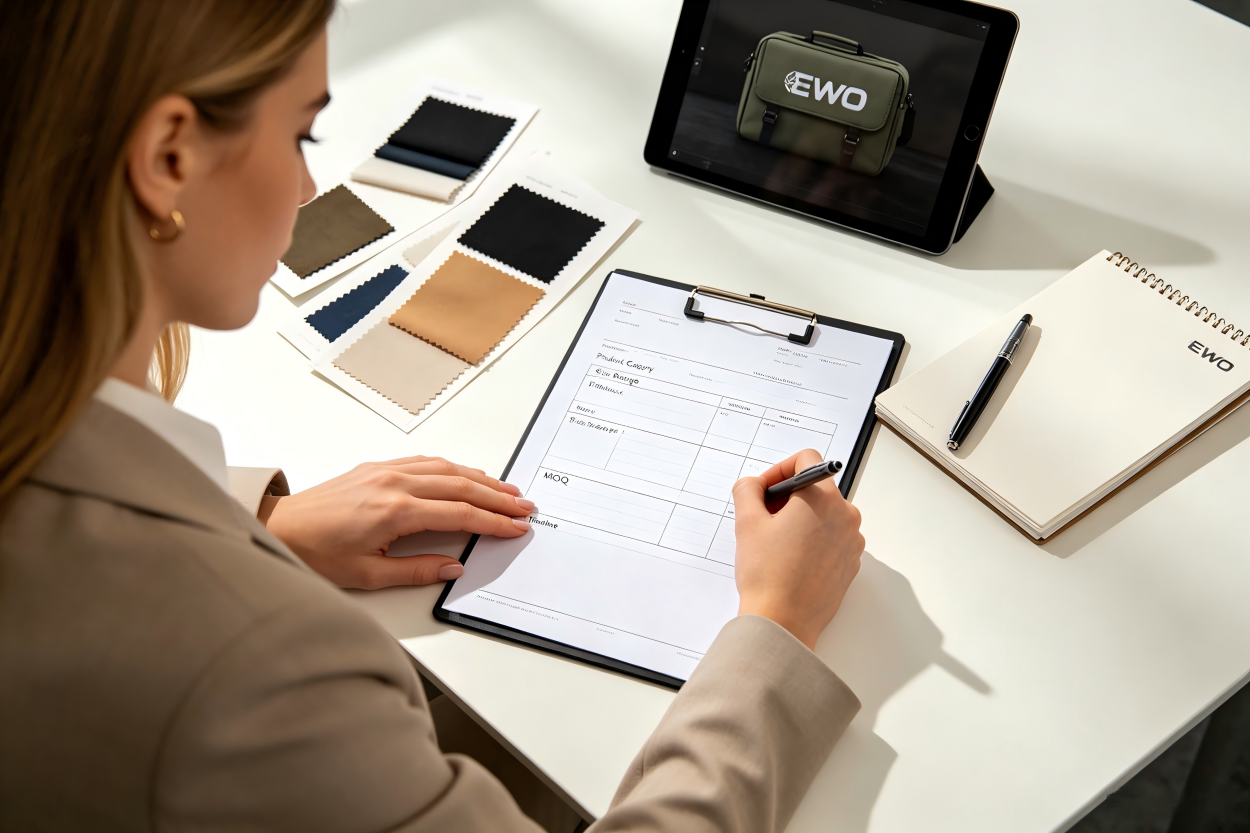
Your pre-inquiry checklist (what we look for before quoting)
When a buyer emails us without details, we can only answer in ranges. When a buyer sends a focused brief, we can validate feasibility fast. Here is what consistently helps:
- Product category and count: e.g., 2-in-1 running shorts, training shorts, performance T-shirts.
- Reference: Tech pack or a reference sample with photos.
- Size range and chart: S–XL or XS–XXL; any region-specific grading notes.
- Fabric expectations: Weight, knit type, performance needs (moisture-wicking, quick-dry).
- Fit and function: Rise, inseam, liner type, waistband structure, pocket count/placement.
- Branding: Print vs. heat transfer logos, labels, hangtags, packaging plan.
- Colorways: Solid counts per style.
- Target MOQ: Your realistic starting quantity per style/color.
- Timeline: Sample target and bulk delivery window.
- Quality priorities: What cannot fail in field use (zipper robustness, liner support, etc.).
I keep this concise. I attach photos or sketches if a formal tech pack is not ready. During product development, we align on what we will test in sampling (wash tests, stretch recovery, color fastness). If you need an OEM/ODM partner’s input, our short OEM/ODM manufacturing guide explains how we step from concept to sampling to production without overpromising.
A common mistake is to ask for the “lowest MOQ” and “lowest price” simultaneously. The factory either constrains fabric choices to what is on hand or stretches lead times while assembling small dye lots. It is better to set a realistic MOQ per style (we see around 100 pcs per style as a start) and choose fewer styles with more focus. That keeps costs predictable and sample alignment stronger.
Low MOQ looks attractive but often hides extra costs in sampling rounds, fabric substitutions, or delayed color matching. The total cost of ownership includes shipping, revisions, and lost time when fit is off. Aim for partners who are transparent about these trade-offs.
Choose partners that explain MOQs by fabric and color, and who price sampling transparently. Low-to-medium MOQ development shops can be ideal for first runs, but unit costs may be higher and timelines longer. Clarify sampling time, bulk lead times, and shipping windows before committing.
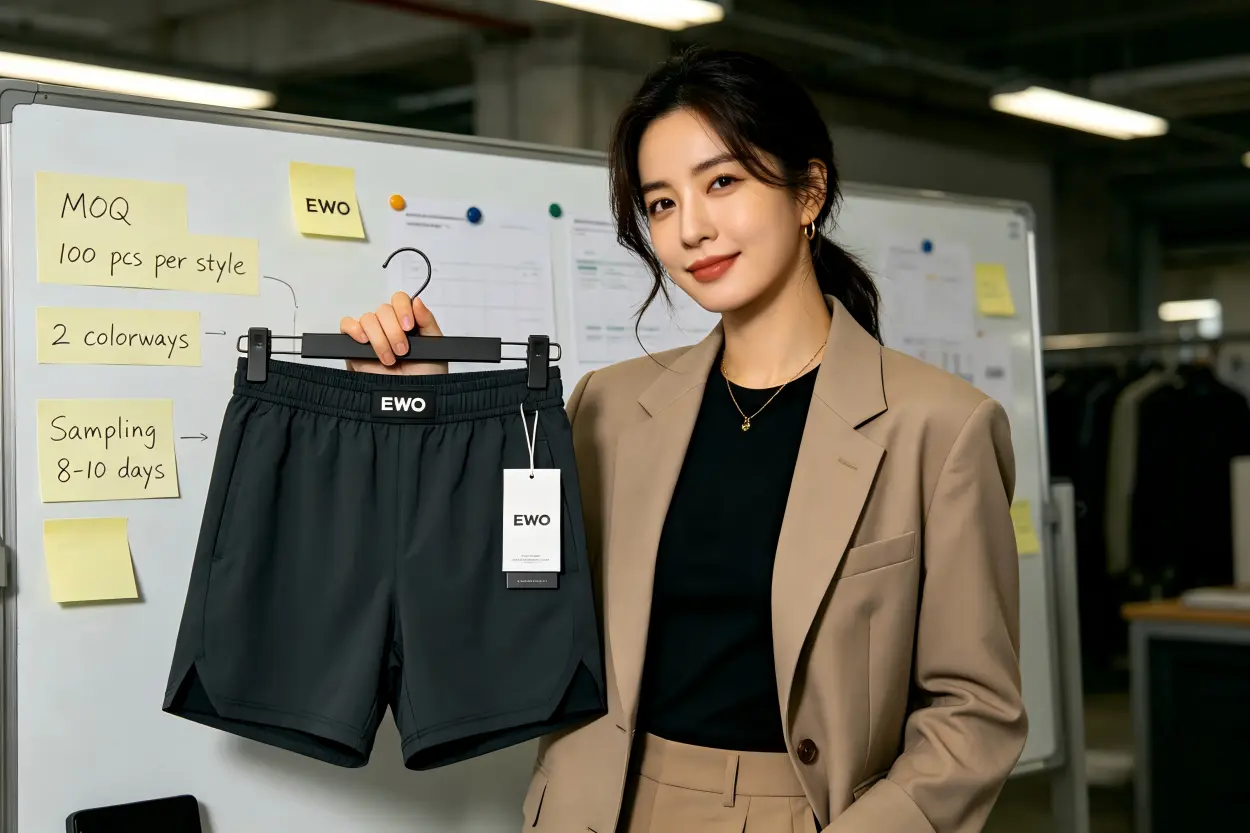
Hidden costs to watch and how we quote for clarity
In our factory, we separate development and production. We do this so that startups can plan cash and time accurately:
- Sampling: 8–10 working days once everything is approved, plus 5–7 days for express shipping.
- Bulk production: 25–30 working days for standard runs.
- Shipping windows: Express 5–7 days; air freight 10–15 days.
Those numbers hold when the brief is stable. Revisions add days. Not all “low MOQ” offers are equal. Here are patterns we see:
- Fabric constraints: If a specific fabric has a high mill MOQ, a factory may use a near-match for samples. If you approve that, your bulk may still require a new dye lot. Confirm fabric continuity early.
- Colorway inflation: Multiple colorways increase dyeing complexity. Start with one or two colorways to control risk.
- Trims and hardware: Zippers, reflective tapes, and drawcords each have vendor MOQs. Balancing them takes planning.
- Quality checkpoints: Fewer checkpoints do not save money if defects surface after shipping. Align on inspections.
A specialized OEM for shorts and performance T-shirts can keep MOQs reasonable while maintaining fit and function. For example, on custom gym and running shorts manufacturing, we discuss waistband options, liner types, pockets, and reflective elements early. We reduce sampling cycles by aligning on these functions upfront. If your line includes high-performance tees, a focused performance T-shirt manufacturing partner streamlines fabric selection for breathability and quick-dry without endless trials.
Note that “lowest unit price” often comes from simplifying the garment. That can mean thinner waistbands, fewer pocket reinforcements, or cheaper zippers. Decide where you can compromise and where you cannot. Communicate that explicitly. You will get quotes that reflect reality instead of wishful thinking.
How to evaluate quality control and lead times with gym and activewear manufacturers?
Many delays come from late changes and unclear checkpoints. Unplanned rework at bulk stage is the most expensive risk. A simple QC and timeline plan makes delivery reliable and reduces disputes.
Set a clear QC flow: pre-production sample approval, in-line checks, and final inspection criteria. Confirm realistic sampling and bulk lead times upfront, including shipping buffers. Ask for documented steps and who signs off at each stage. You will control risk and budget more effectively.
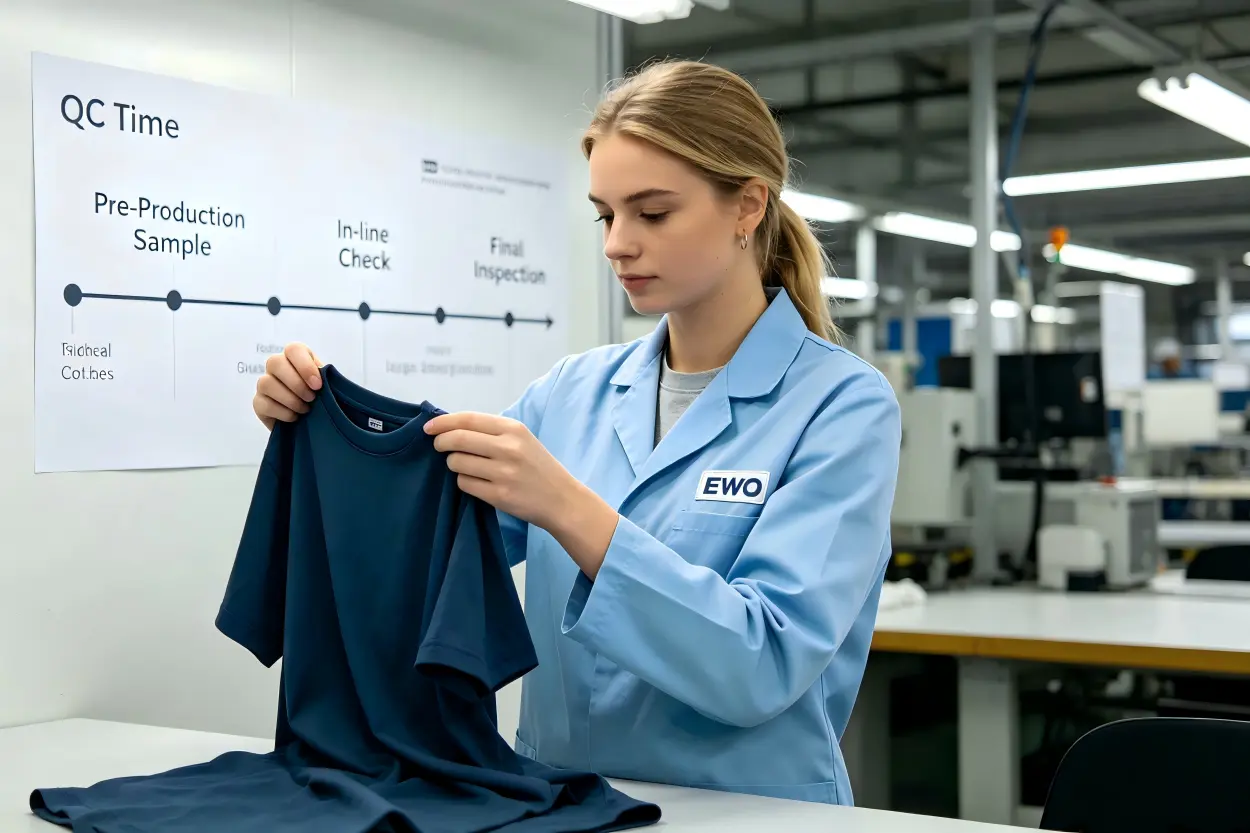
A practical QC and timeline framework we use with buyers
Based on our OEM experience, we have reduced last-minute friction by using a predictable cadence:
- Pre-production samples: We produce and ship only after the brief is locked. We aim for one approval cycle. If you change fabrics or trims after approval, we treat that as a new sample.
- In-line QC: We check waistband attachment, pocket alignment, zipper performance, and print/heat-transfer durability during production, not just at the end.
- Final inspection: We verify size measurements against the agreed chart and test random units for seam strength and color continuity.
For timelines, we share windows and hold them by controlling changes:
- Sampling: 8–10 working days. We ship express (5–7 days) immediately after your confirmation.
- Bulk: 25–30 working days for typical orders. We reserve capacity only after deposit and approved samples.
- Shipping: Express 5–7 days for small deliveries; air freight 10–15 days. Ocean freight varies more and requires a separate plan.
If you have a fixed launch date, build buffers around approvals. I suggest a “no changes after PP sample approval” rule. It is strict but it protects your schedule. We document approvals and inspections through a simple production tracker. This mirrors our internal production process so that both sides read the same playbook.
Finally, verify certifications and test reports if your sales channel requires them. Treat certificates as documents to review, not marketing claims. Align any lab tests on fabrics before bulk production.
When does a specialized shorts/T-shirt OEM like EWO make sense?
A specialized partner fits when your product mix centers on shorts and performance tees, and you want control over fit, comfort, and performance fabrics. If your line leans into leggings and sports bras immediately, a different specialist may fit better.
Choose a specialized shorts/T-shirt OEM when your core styles are gym shorts, running shorts, 2-in-1 shorts, training shorts, board shorts, and high-performance T-shirts. You will get deeper support on waistband construction, liners, pockets, fabric handfeel, and breathability — especially at low-to-medium MOQs with room to scale for repeats.
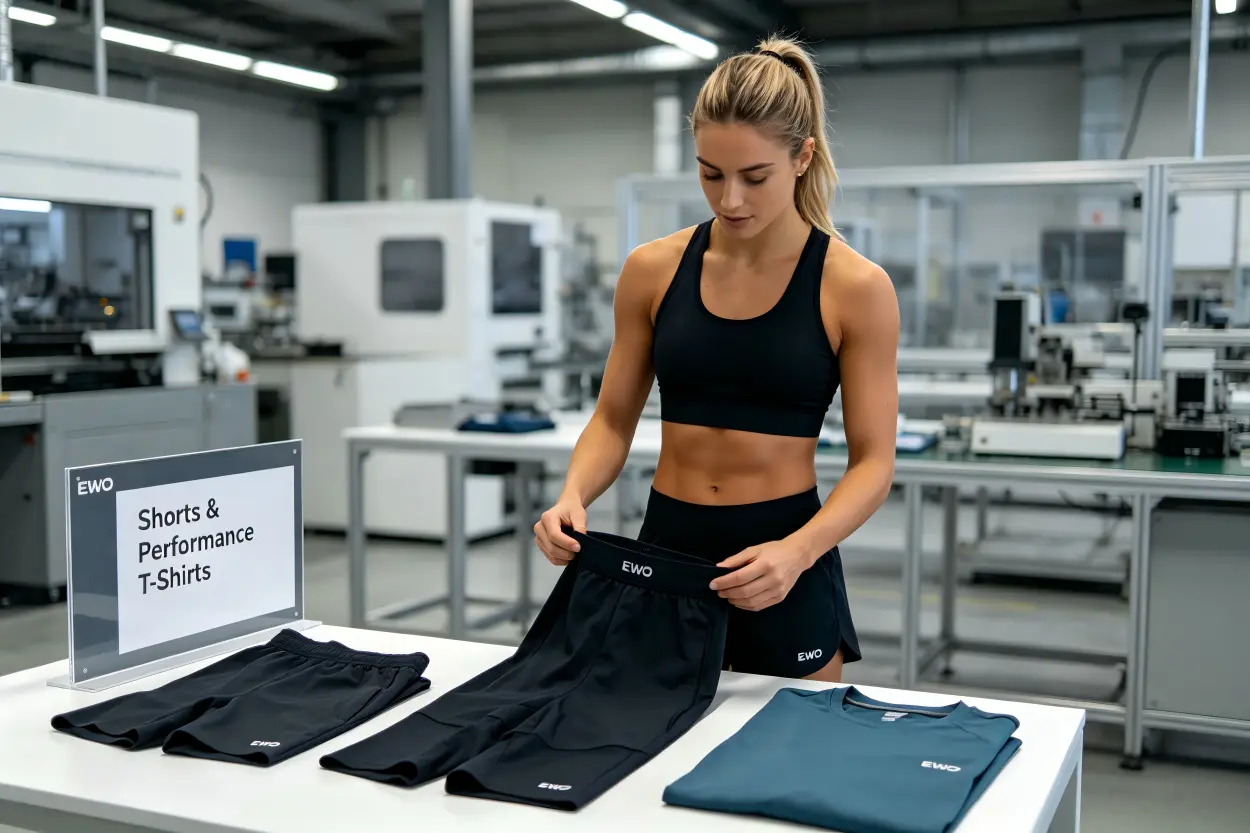
Where specialization shows up in daily production
During product development, we often find that small design decisions carry big comfort outcomes:
- Waistbands: Elastic quality and stitch density control comfort. We test for roll and slip during wear.
- Liners: Brief vs. compression liners change how athletes perceive support and breathability.
- Pockets: Phone bounce, zipper choice, and bar-tack reinforcement decide durability.
- Fabrics: We balance weight, stretch, and wicking. We recommend options that match use cases (HIIT, running, training).
We operate four production lines with OEM/ODM services focused on shorts and performance tees. This focus helps startups and growing brands. We support product development from a concept, tech pack, or reference sample. We handle private labels, custom trims, labels, logos, and packaging. Our standard MOQ is approximately 100 pcs per style, with lead times that are predictable once the design is locked.
For repeat production, we keep fit blocks and fabric records so that reorders stay consistent. One issue we frequently encounter is buyers changing fabric sources between repeats to chase a lower price. It often changes fit and handfeel. I recommend locking your core fabric for at least your first two cycles. This protects your brand’s consistency.
If your immediate roadmap includes leggings and sports bras, I recommend engaging a separate specialist for those while we handle shorts and tees. It keeps your quality consistent across categories without forcing one factory to stretch into areas where it has less depth.
Frequently Asked Questions
What is a realistic MOQ for activewear startups?
For focused lines like gym shorts and performance T-shirts, a realistic starting MOQ is about 100 pcs per style, depending on fabric, colorways, and trims. Lower MOQs can be possible, but unit costs rise and fabric constraints increase. It is usually better to launch fewer styles with clearer demand.
How long do samples and bulk production take with overseas factories?
Once the brief is approved, sampling usually takes 8–10 working days, plus 5–7 days for express shipping. Bulk production typically runs 25–30 working days after sample approval and deposit. Express shipping takes 5–7 days; air freight takes 10–15 days. Plan buffers for any revisions.
What should I include in a tech pack or brief for gym shorts?
Include size chart, fabric details (weight, knit, performance needs), waistband structure, liner type, inseam length, pocket placement and type, branding (print or heat transfer), and packaging preferences. Photos or a reference sample help align expectations and reduce sampling rounds.
How do I compare quotes from different factories?
Normalize the scope first. Ensure each quote uses the same fabric, trims, colorways, and size range. Ask for sampling fees, lead times, and inspection steps. Confirm fabric continuity for bulk. Compare total landed cost (including shipping), not just unit price. Align on QC checkpoints before committing.
Should I start with one product or a full activewear line?
Most startups benefit from launching with one or two core products. This reduces sampling complexity and helps validate fit and quality before expanding. Add categories as you build data on sell-through, customer feedback, and supplier performance.
Conclusion
There is no universal ranking for gym and activewear manufacturers. The right partner fits your product category, stage, and risk profile. Define your brief, shortlist by specialization, and verify QC and lead times before you commit. If your roadmap prioritizes shorts and performance tees, let’s talk. Send your tech pack or reference sample to Request a Quote, discuss your project timelines, or request a sample. We’re ready to support focused development and repeatable production.
- Explore our OEM/ODM approach: https://shortsoem.com/odm-oem/
- Review our shorts capabilities: https://shortsoem.com/custom-gym-running-shorts-manufacturer/
- See performance T-shirt options: https://shortsoem.com/custom-t-shirt-manufacturing/
- Contact us to start: https://shortsoem.com/contact/