[A cheap quote can look safe. Then the fit fails, the logo cracks, or the delivery slips. I have seen that mistake hurt repeat orders.
Wholesale gym shorts should be sourced by use case, fit, fabric, customization, MOQ, sampling, packaging, and delivery plan. I treat the unit price as only one part of the decision because total cost also includes sample changes, quality control, branding work, and export coordination.
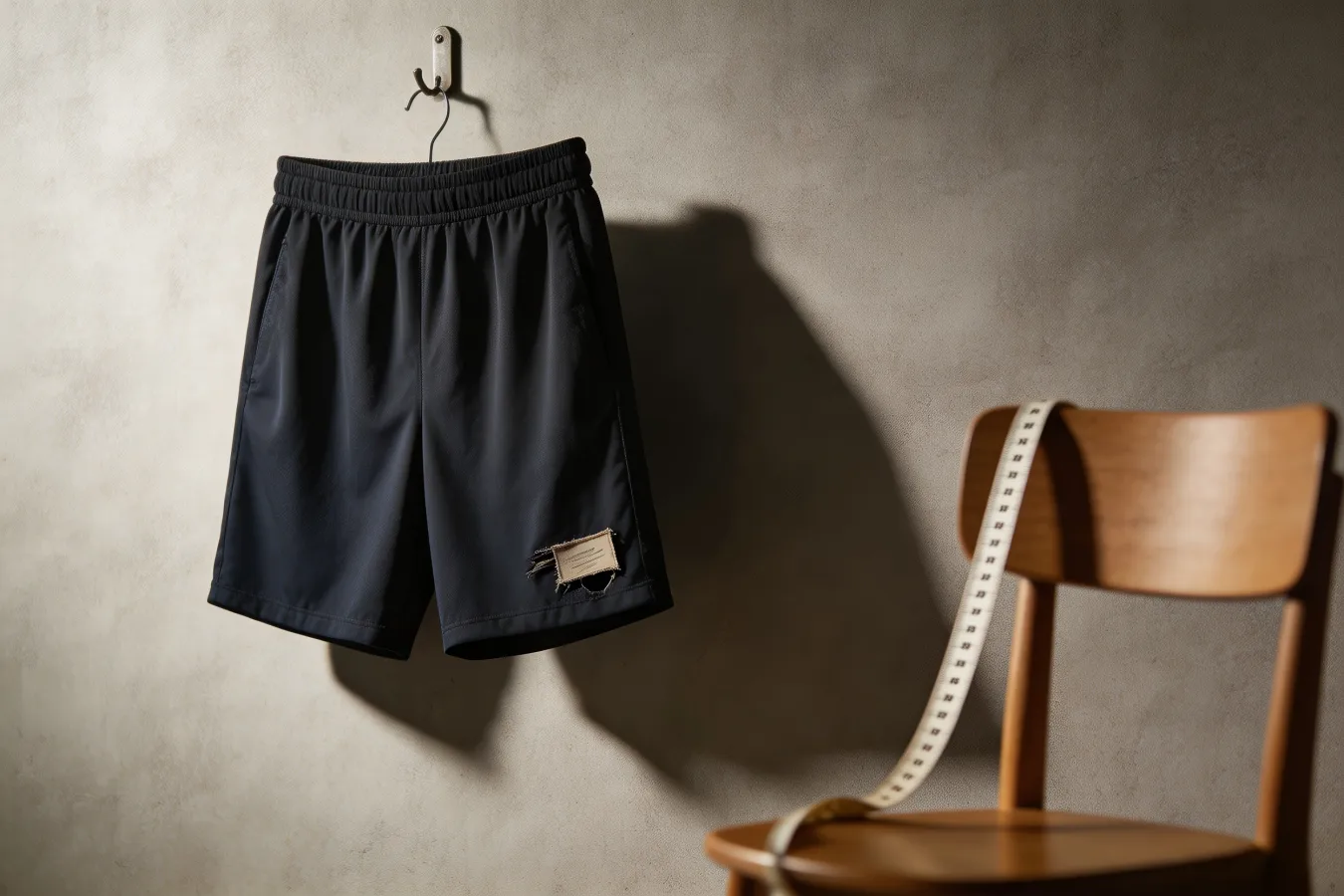
Many buyers first send me one short message. They ask, “What is your price for gym shorts with logo?” I can give a rough answer, but I cannot give a useful sourcing answer without more details. I need to know the workout type, the target user, the size range, the expected order quantity, and the brand plan. A running club and a boxing gym may both ask for shorts, but the product should not be treated the same.
I write this guide from my daily work as a China-based B2B sports shorts manufacturer. I handle OEM and ODM gym shorts, running shorts, training shorts, and team shorts for buyers in Europe and America. I do not write this as a testing lab. I write it as the factory side that must turn ideas, files, samples, sizes, packaging, and shipping needs into a real bulk order.
Why Should I Treat Wholesale Gym Shorts as a Sourcing Risk Question?
A low price can hide problems. I may save a little at the start, but I may pay more later through rework, delays, or poor sell-through.
I treat wholesale gym shorts as a sourcing-risk decision because the buyer must control fit, fabric, branding, sample approval, packaging, MOQ, and delivery. A good quote should answer the full order need, not only the per-piece price.

I Start With the Product Use Case
In my factory work, I first separate gym shorts by use. A weight training short may need a stable waistband, good stretch, and a clean cut. A running short may need lighter fabric, better airflow, and less bulk. A basketball short may need more room. A boxing short may need a stronger visual style and a different waistband feel.
If a buyer only asks for “gym shorts,” I may not know the movement, the fabric handfeel, or the fit level. That creates risk. I may quote a product that looks right in a photo but feels wrong in use.
| Buyer Question | Why I Need It | Risk If Skipped |
|---|---|---|
| What sport or activity is this for? | I match fit, length, and fabric | The short may not support movement |
| Who will wear it? | I check size range and body fit | Sizes may miss the target customer |
| What quantity do you need? | I check MOQ and production plan | The quote may not match real cost |
| What price band do you target? | I guide fabric and process choices | The design may be too costly |
| What branding do you need? | I check logo, color, tags, and packing | The product may not match the brand |
I Look at Total Cost, Not Only Unit Price
A factory-direct quote can look different from another quote because the details are not the same. One quote may include better fabric. Another may include simpler packing. One supplier may include sample adjustment support. Another may only price a basic blank short.
For many OEM or ODM projects, our normal reference points are MOQ from 300 pcs, sample time around 7–10 days, and bulk production around 15–20 days for 600 pcs after approval. These numbers still depend on material, logo method, and order details. I share them as working references, not as fixed promises for every order.
I have learned that a buyer should compare the full scope before comparing price. A low price with weak sizing support or unclear logo method may become expensive after sampling.
What Information Should I Prepare Before Asking for a Quote?
A short inquiry can slow the order. I may need five extra messages before I can quote clearly, and that delay can block launch plans.
I should prepare the intended use, target quantity, size range, target price band, fabric preference, colors, logo position, logo method, packaging needs, and delivery deadline before asking for a wholesale gym shorts quote.
My Simple Quote Checklist
I do not need a perfect tech pack from every buyer. Many new brands do not have one. But I do need enough information to avoid guessing. During customer communication, I often ask for reference photos, size specs, fabric targets, and branding details. If the buyer has a sample short, that helps more than many words.
| Information | Good Example | Factory Use |
|---|---|---|
| Use case | Running, gym training, boxing, team wear | I choose pattern and fabric direction |
| Quantity | 300 pcs, 600 pcs, 1,000 pcs | I check MOQ and production schedule |
| Size range | S–XXL or youth/adult mix | I plan grading and size ratio |
| Target price band | Budget, mid-range, premium | I guide fabric and process choices |
| Logo details | Left leg print, waistband label, hangtag | I check artwork and process |
| Packing | Polybag, barcode sticker, custom bag | I check packing cost and export prep |
| Deadline | Needed before event or launch | I check sampling and bulk timing |
I Avoid Quoting From a Logo File Alone
One common mistake is assuming a logo file is enough for customization. It is not. The logo file only tells me the visual mark. It does not tell me the short style, the fit, the fabric, the color standard, the logo placement, the print size, the packing, or the delivery plan.
During product development, I may receive an AI file or PDF logo and no other instruction. I can still help, but I must ask more questions. If the buyer wants a fast process, I suggest sending a reference short or a product link. I also suggest sending a simple note with inseam length, waistband style, pocket needs, and brand color.
If a buyer wants to move from idea to first sample, our custom gym and running shorts manufacturer page can help explain the type of product details we usually discuss before development starts.
How Does Customization Change the Final Gym Shorts?
A logo can look perfect on screen and weak on fabric. I have seen good designs lose value because the process choice was wrong.
Customization changes the final gym shorts through fabric, fit, color, logo method, logo placement, labels, hangtags, packaging, sample approval, and production consistency. I should plan customization as a full product system, not as logo printing only.
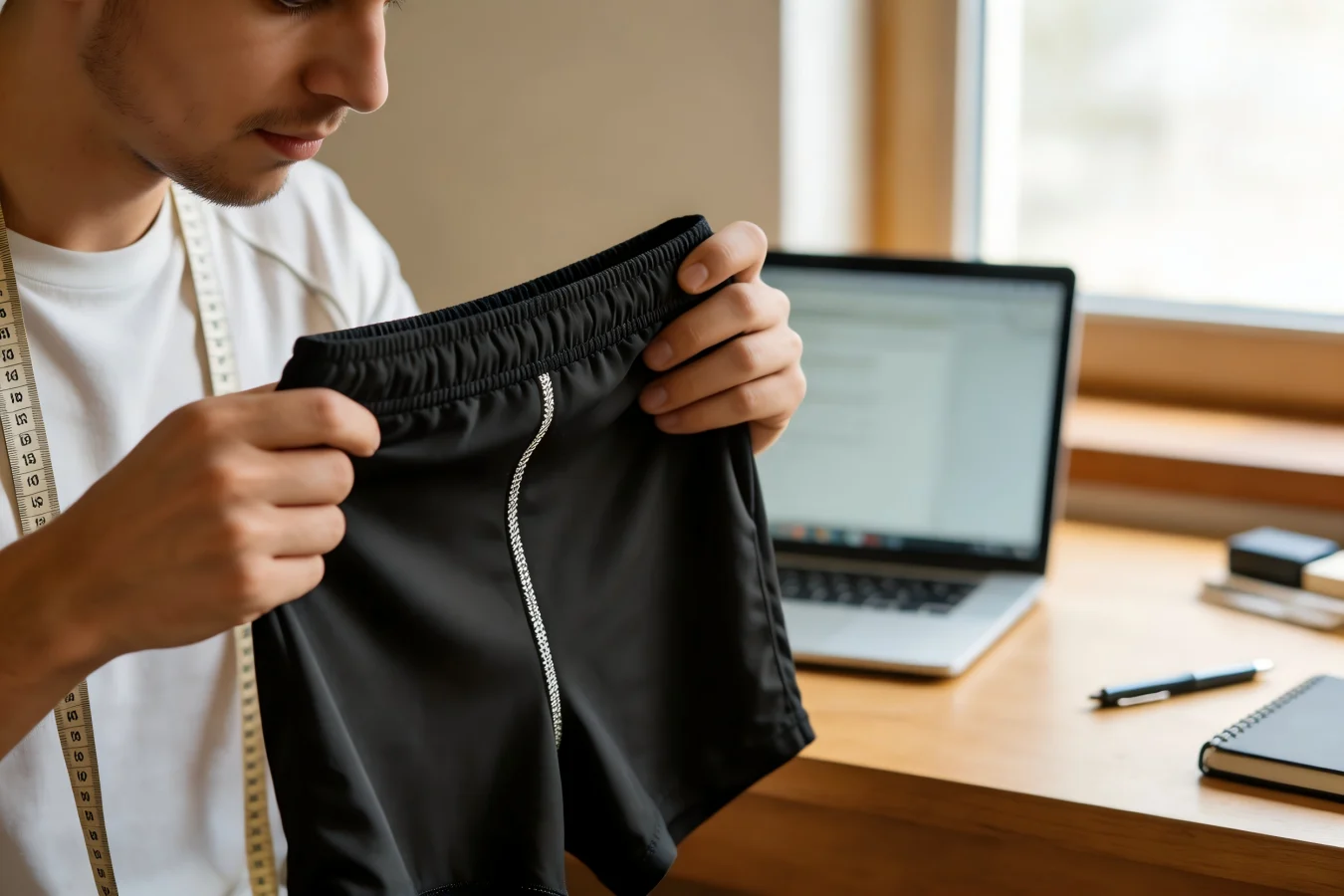
I Separate Product Customization From Brand Customization
Product customization affects how the short wears. Brand customization affects how the short is seen and sold. Both matter. A brand may have a strong logo, but the short may fail if the waistband twists or the fabric feels wrong. Another brand may have a simple short, but the packing and labels may make it look more complete for retail or team distribution.
| Custom Area | Factory Decision | Brand Effect |
|---|---|---|
| Fabric | Stretch, weight, surface feel, mesh, lining | Comfort and perceived value |
| Fit | Slim, regular, loose, length, rise | User movement and style |
| Color | Stock color or dyed color | Brand consistency |
| Logo | Print, heat transfer, embroidery, patch | Visual quality and durability feel |
| Labels | Neckless not relevant, waistband or care label | Size and brand identity |
| Hangtags | Brand card, product info, barcode | Retail presentation |
| Packing | Standard bag or custom bag | Wholesale and shelf experience |
I Match Logo Method With Fabric and Use
I do not treat every logo method as equal. A heat transfer logo can look clean on many performance shorts. A screen print can work for some designs and quantities. Embroidery may feel premium, but it can add weight and stiffness. A patch may fit boxing or team styles, but it must match the garment structure.
During sample approval, I check the logo size, edge, position, and color. A logo placed too low may look strange on a shorter running short. A large logo on light fabric may affect handfeel. A reflective detail may help running use, but it must be discussed early.
I Use Samples to Protect the Bulk Order
The sample stage is not only a formality. It protects both sides. Our usual sample time is around 7–10 days after details are clear. During this step, I prefer to confirm fit, fabric, waistband tension, logo result, pocket depth, and packing direction. If a buyer skips careful sample review, the bulk order carries more risk.
For buyers who want a broader view of OEM and ODM development, I often point them to our OEM / ODM service process before we lock the order details.
What Common Buyer Mistakes Should I Avoid Before Bulk Production?
A fast decision can feel efficient. It can also move the wrong sample into bulk production. I have seen small skipped details become big disputes.
I should avoid judging suppliers only by unit price, assuming logo files are enough, ignoring size and fit, skipping sample comments, and forgetting that bulk consistency depends on clear approved standards.
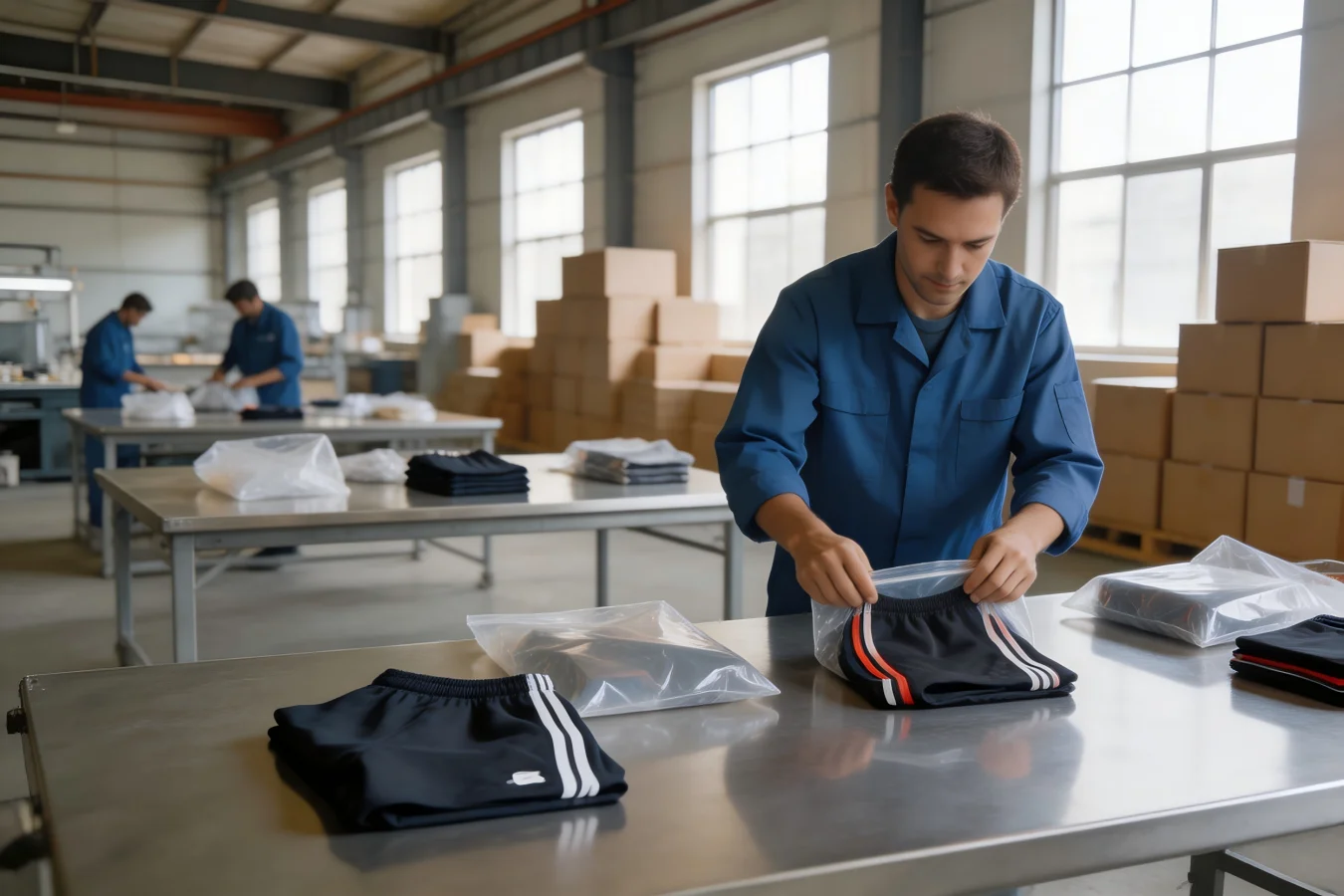
Mistake 1: I Compare Prices Without Comparing Scope
A buyer may send the same picture to several suppliers and receive different prices. The buyer may think the lowest price is the best. In my experience, the real question is whether each supplier quoted the same fabric, same weight, same waistband, same logo method, same packing, same quantity, and same inspection level.
If the price is much lower, I need to ask what changed. The fabric may be thinner. The pocket may be simpler. The logo may use a cheaper method. The packing may be plain. None of these are always wrong. But the buyer should know the trade-off before approval.
Mistake 2: I Underestimate Sizing and Fit
Sizing causes many problems in sportswear. A medium in one market may not feel like a medium in another market. A running short with a tight liner must be checked more carefully than a loose team short. A gym short with a drawcord and elastic waistband still needs good grading.
| Fit Detail | Why It Matters | What I Ask For |
|---|---|---|
| Waist relaxed and stretched | It affects comfort and size choice | Size chart or sample measurement |
| Inseam length | It changes sport use and style | Target length by size |
| Leg opening | It affects movement and look | Flat measurement |
| Rise | It affects waistband position | Front and back rise spec |
| Liner or no liner | It changes fit and cost | Use case and target wearer |
| Pocket depth | It affects phone and key storage | Pocket function need |
Mistake 3: I Approve a Sample Too Quickly
During sample approval, I need clear comments. “Looks good” may not be enough if the buyer has not checked measurements, logo position, color, and sewing details. I prefer written approval with photos or marked comments. That gives production a standard.
During bulk production, consistency depends on the approved sample and clear production files. I cannot protect a buyer from unclear expectations if no standard was fixed. For repeat production, approved specs also help the next order match the first order more closely.
How Do MOQ, Sampling, Packaging, and Lead Time Affect Total Cost?
The piece price is easy to read. The hidden cost is harder to see. I have watched buyers miss this point before checkout.
MOQ, sampling, packaging, customization process, lead time, quality control, and export coordination all affect total cost. I should review these items before I decide whether a wholesale gym shorts quote is truly workable.
I Break Total Cost Into Real Order Parts
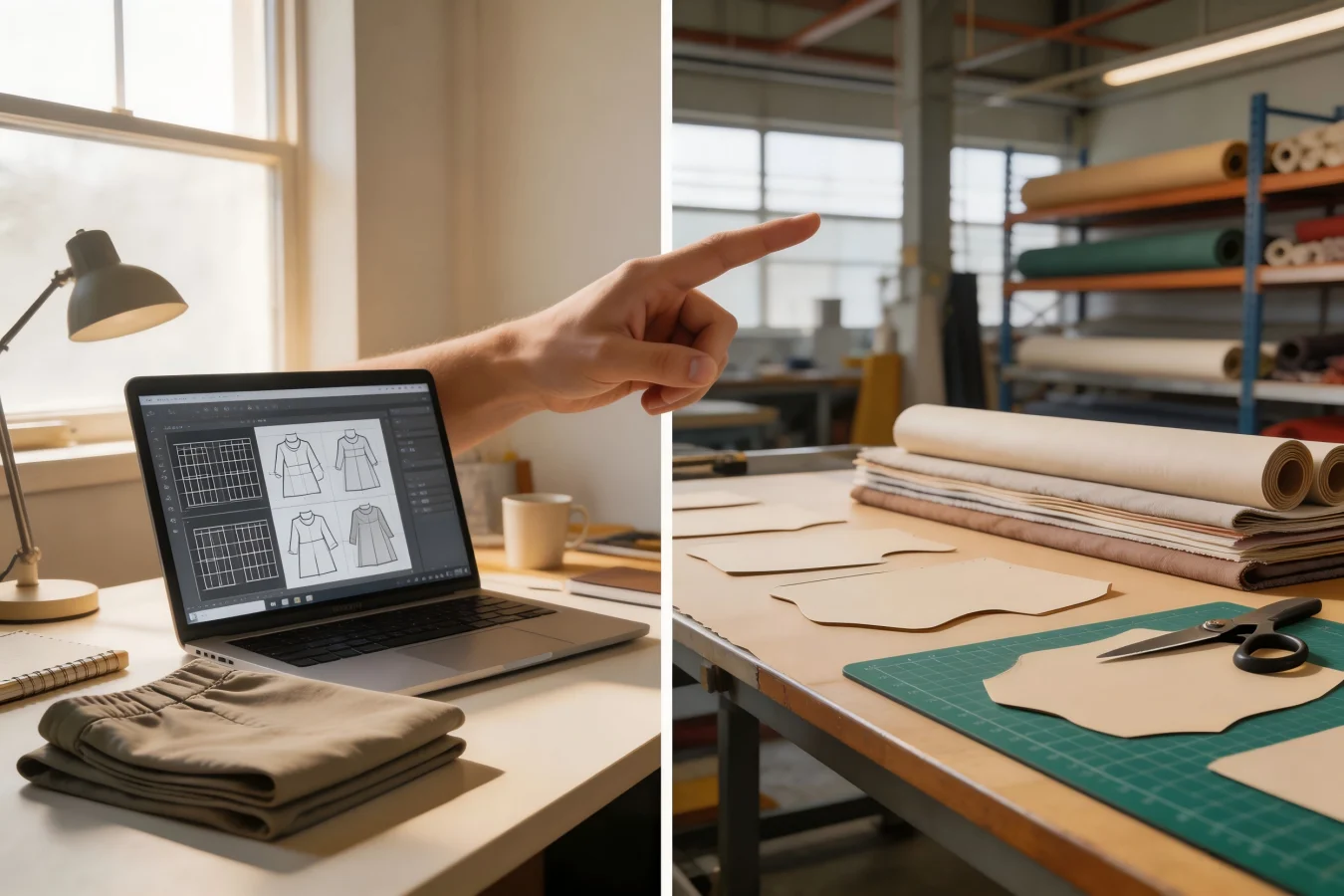
The quoted per-piece price is only one part of the order. A custom logo may require setup work. Custom packaging may add material cost and handling time. A special fabric may need higher minimums or longer preparation. A tight deadline may reduce safe review time. Export coordination may require documents, carton marks, and packing list details.
| Cost Area | What It Includes | Buyer Decision |
|---|---|---|
| Sample cost | Pattern, fabric, logo trial, sewing | Approve or revise before bulk |
| MOQ | Minimum production quantity | Match launch plan and stock risk |
| Fabric | Stock or custom, stretch, texture | Balance cost and user experience |
| Logo process | Print, transfer, embroidery, patch | Match design and durability need |
| Packaging | Polybag, hangtag, barcode, carton mark | Match retail or wholesale channel |
| Lead time | Sample and bulk schedule | Match launch or event date |
| QC | Measurement and visual checks | Reduce repeat-order risk |
| Export coordination | Packing list, cartons, shipment support | Reduce delivery confusion |
I Use Lead Time as a Risk Control Tool
I do not like rushing a custom order if the buyer still needs sample review. A normal reference is 7–10 days for samples and around 15–20 days for 600 pcs bulk production after approval. This can change with fabric, logo process, quantity, and packaging. I share a practical range because buyers need planning help.
A buyer who has an event date should tell me early. A buyer who needs retail packing should not mention it after bulk sewing starts. A buyer who needs size stickers or barcode labels should share those files before packing materials are prepared.
I Treat Packaging as Brand Work, Not an Afterthought
Packaging does not make a bad short good. But weak packaging can make a good short look unfinished. For wholesalers, packing affects warehouse handling. For brands, hangtags and bags affect first impression. For teams, size sorting and clear labels reduce distribution trouble.
In our factory, I prefer to confirm packaging before bulk production moves too far. I check whether the buyer wants individual polybags, custom bags, hangtags, size stickers, barcode stickers, or carton marks. These details are not exciting, but they protect the order.
How Can I Choose Between OEM and ODM Gym Shorts?
A blank design can move fast. A fully custom design can build stronger brand value. I need to choose based on my launch goal.
I should choose OEM when I have clear specs, patterns, or a tech pack. I should choose ODM when I need the factory to help develop the style, fit, fabric direction, and customization plan for wholesale gym shorts.
I Use OEM When the Buyer Already Knows the Product
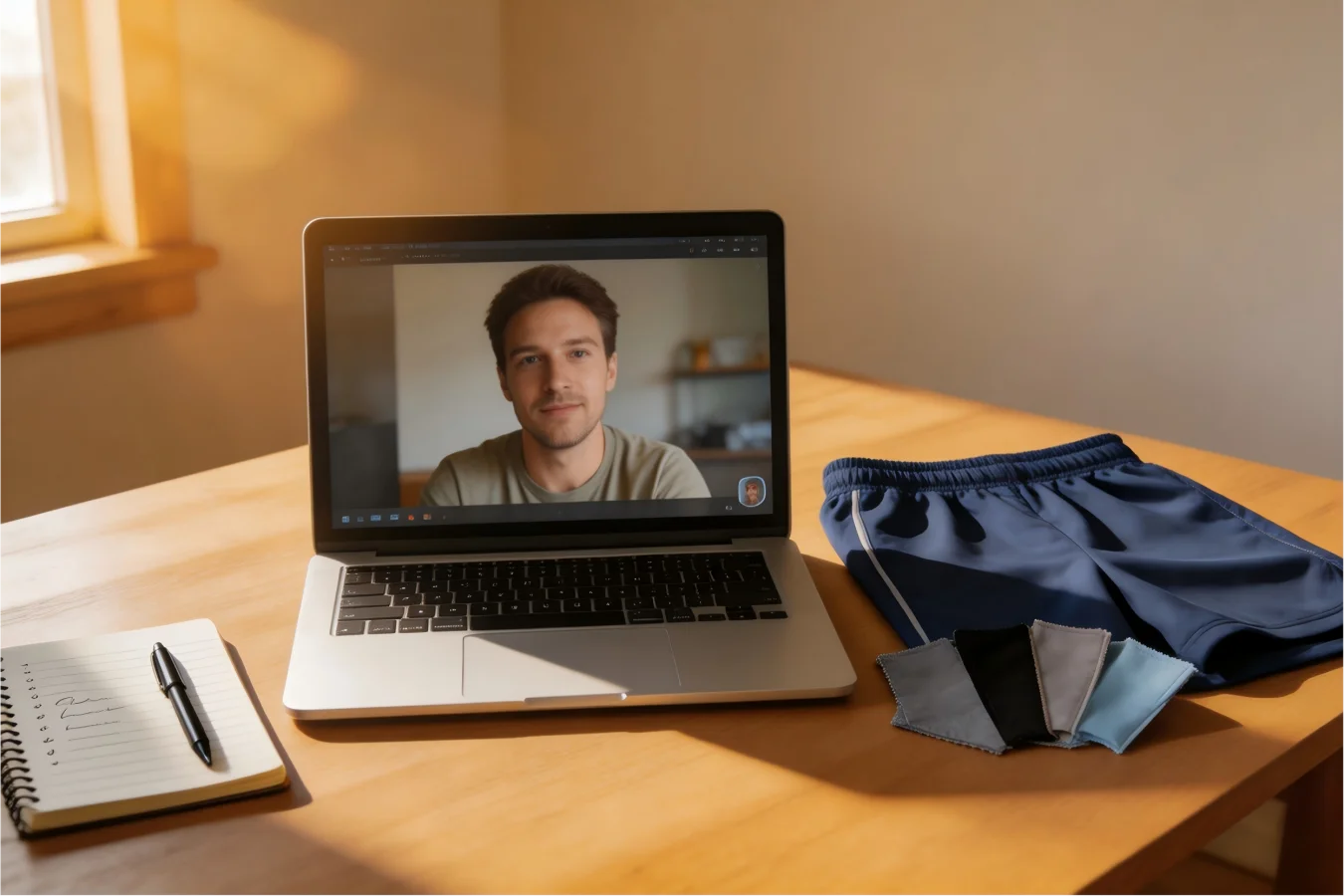
OEM works well when the buyer has a clear design. The buyer may send a tech pack, size chart, fabric request, color code, logo artwork, and packing requirements. In this case, I mainly help turn the fixed product plan into sample and bulk production.
OEM is useful for established brands that need repeat orders. The buyer may already know the fabric and fit. The main work becomes consistency, schedule, and quality control. For repeat production, I keep the approved sample and order details as the working reference.
I Use ODM When the Buyer Needs Product Direction
ODM works better when the buyer has a brand idea but no finished product. The buyer may say, “I want gym shorts for training and running, mid-range price, simple logo, black and navy, sizes S to XXL.” I can help suggest a base style, fabric direction, waistband, pocket type, and logo method.
| Project Type | Best Fit | Buyer Should Prepare |
|---|---|---|
| OEM | Clear design and specs | Tech pack, size chart, artwork, packing details |
| ODM | Product idea without full specs | Use case, target price band, reference photos |
| Blank wholesale with logo | Faster basic launch | Stock style choice, logo file, quantity |
| Fully custom short | Stronger brand control | Fabric, fit, color, labels, packaging, samples |
I Match the Path With the Buyer’s Risk Level
A new brand may not want to invest too much in a complex first order. In that case, I may suggest a simpler ODM base with custom branding. A team or gym may need quick repeatable shorts with logo and size range. A wholesaler may care more about stable supply and carton-level handling.
The best path depends on risk. A complex product has more brand value, but it also has more approval points. A simple product can move faster, but it may look less unique. I try to make that trade-off clear before quotation, because clear trade-offs reduce disputes later.
If a buyer wants to understand how our sample, production, and export steps connect, our production process page gives a simple view of the workflow.
What Questions Should I Ask a Supplier Before Placing an Order?
A supplier may answer fast and still miss details. I need questions that test real production thinking, not only sales speed.
I should ask about MOQ, sample time, bulk lead time, fabric options, logo methods, size grading, packaging, quality control, export support, and how the supplier controls consistency from sample to bulk production.
My Practical Supplier Question List
I like direct questions. They save time for both sides. A good supplier should be able to explain what is included and what is not included. If the supplier avoids details, I treat that as a warning sign. If the supplier gives a very low price without asking about fabric, size, logo, and packing, I also slow down.
| Question | What I Learn |
|---|---|
| What is your MOQ for custom gym shorts? | I know whether the order size fits |
| How long does sampling take? | I plan development time |
| How long does bulk production take after approval? | I plan launch timing |
| What fabric options fit my use case? | I avoid wrong material choices |
| Which logo methods do you support? | I match design and fabric |
| Can you follow my size chart? | I protect fit expectations |
| Can you provide hangtags or custom packaging? | I control brand presentation |
| How do you check bulk consistency? | I reduce repeat-order risk |
| What export support do you provide? | I avoid shipping document confusion |
I Watch How the Supplier Responds
The answer style matters. I trust clear answers more than perfect promises. A real factory may say, “This depends on fabric and logo method.” That answer is not weak. It may be more honest than a fixed promise for every project.
During order decisions, I pay attention to whether the supplier asks useful questions. If the supplier only says yes to everything, I worry. Sports shorts need pattern work, fabric matching, size control, logo placement, and packing coordination. A careful supplier should ask for details before giving a final price.
I Prepare Three Essentials Before I Contact a Factory
Before I request a quote, I prepare three things. First, I define the intended use case, such as gym training, running, boxing, basketball, or team wear. Second, I define the target quantity, size range, and price band. Third, I define branding needs, such as logo, colors, hangtags, packaging, and barcode labels.
With these three essentials, the conversation becomes faster and more useful. If a buyer wants to discuss a real project, send those details through our contact page and request a quote, sample, or project review.
Conclusion
I buy better wholesale gym shorts by controlling use case, fit, customization, sampling, packaging, cost, and supplier communication before bulk production starts.